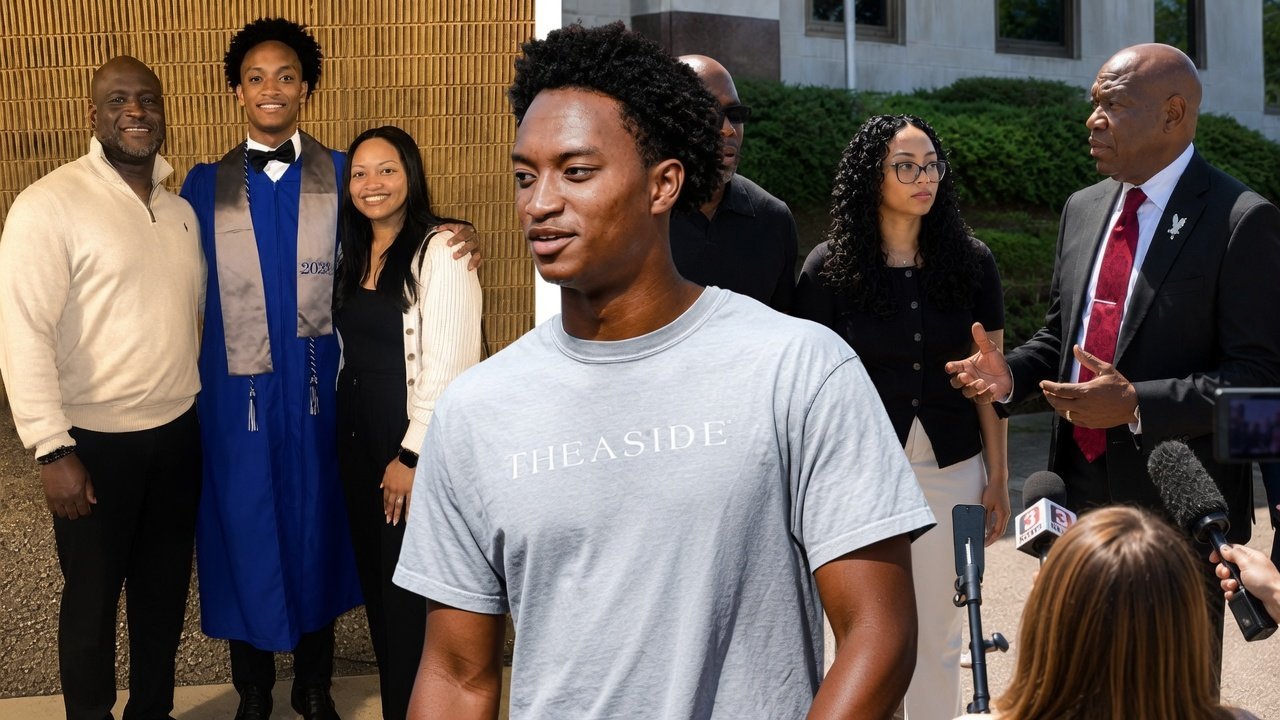
Nearly a month after 18-year-old Nolan Xavier Wells vanished during a Fourth of July outing, the circumstances of his death on a remote Mississippi barrier island continue to generate intense public interest, competing investigations, and calls for greater transparency. As of early August 2026, the official state autopsy has been completed and forwarded for grand jury consideration, while an independent examination commissioned by the family left key questions unresolved.
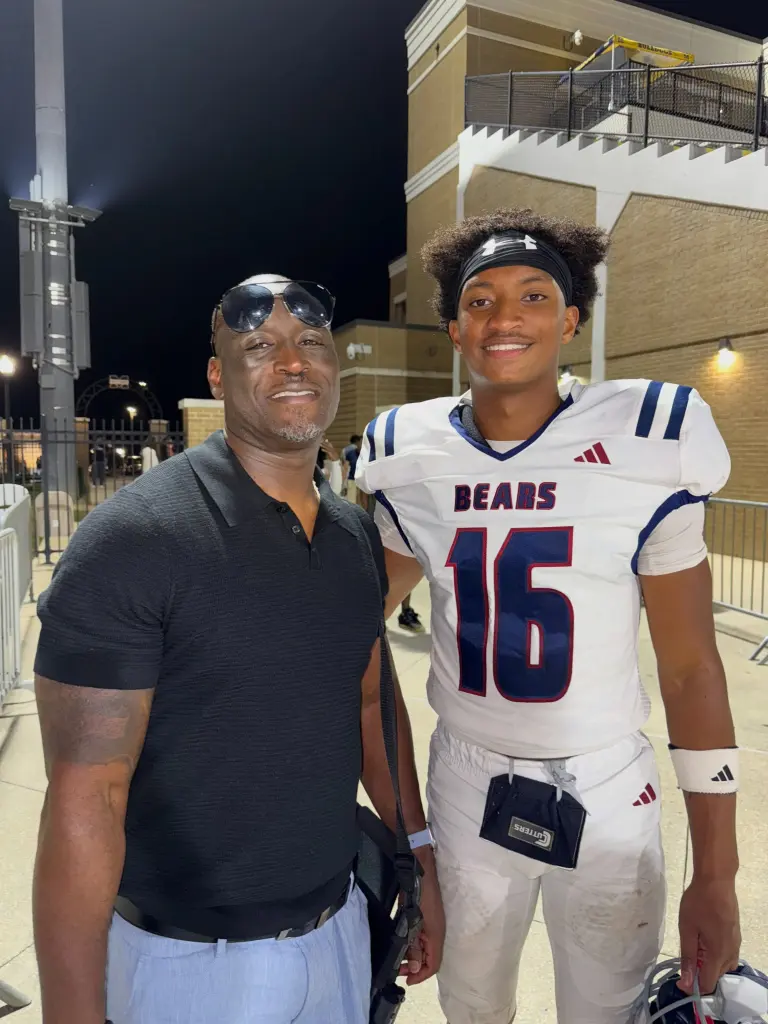
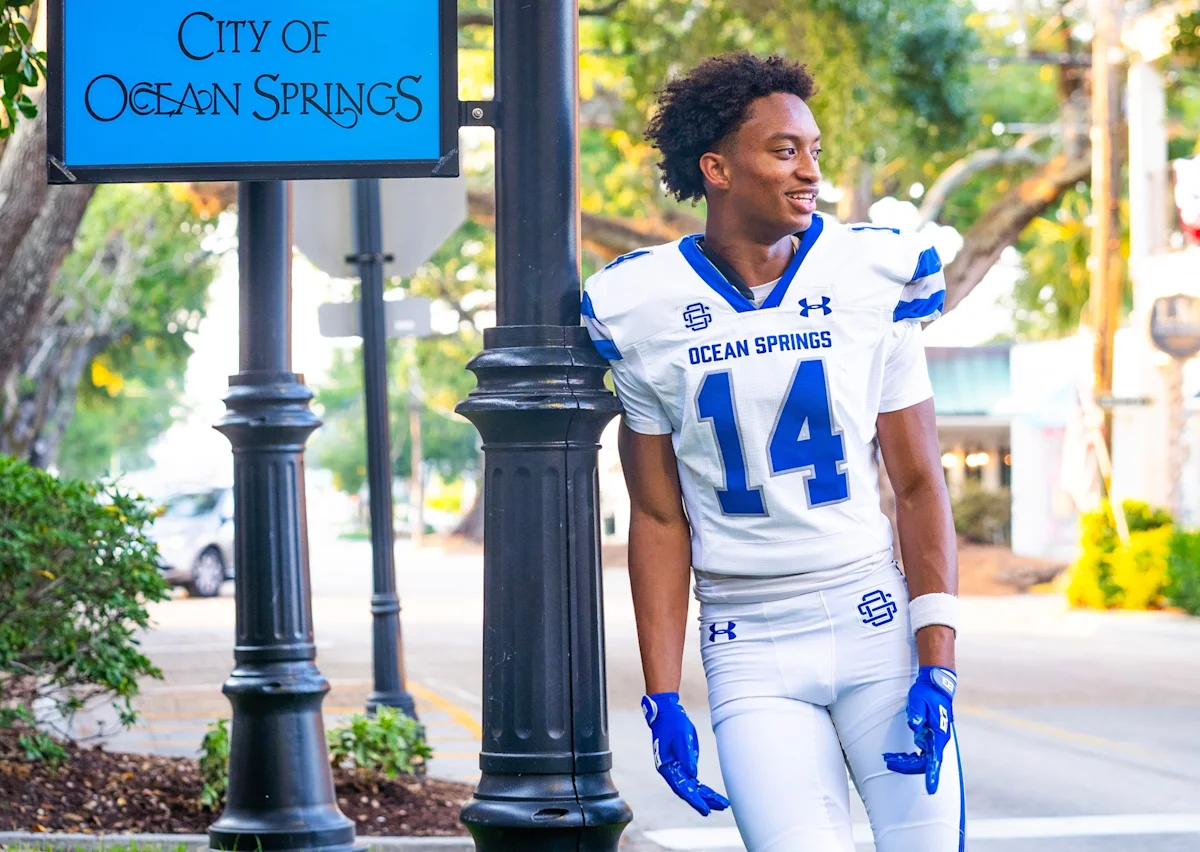
Wells, a recent graduate of Ocean Springs High School and a wide receiver for Southwest Mississippi Community College, joined a group of friends on a private boat trip to Horn Island on July 4, 2026. The undeveloped island, part of the Gulf Islands National Seashore and accessible only by boat, draws large holiday crowds but lacks cell service, facilities, or permanent staff. Wells was last seen around mid-afternoon on the northwest end of the island. His companions later returned to the mainland without him, telling authorities that he had chosen to remain behind and planned to catch a later ride with others. His mother reported him missing that evening after he failed to return home.
A multi-agency search involving local law enforcement, the Coast Guard, National Park Service personnel, and volunteer groups continued through the holiday weekend. On the morning of July 6, a National Park Service ranger discovered a body near the shoreline on the island’s northwestern tip. The remains were identified the following day as Wells through dental records. Early statements from officials indicated no immediate outward signs of trauma, though the body was found in a condition that prompted a full state medical examiner autopsy rather than a routine local examination.
The Mississippi State Medical Examiner’s Office performed its autopsy on July 7. Results, including toxicology findings, remained sealed for weeks. By late July, officials confirmed the official autopsy was complete and the report had been turned over to the Jackson County District Attorney’s Office. District Attorney Angel Myers McIlrath has repeatedly stated that every non-natural death in the county is presented to a grand jury as standard procedure once the investigation concludes. She emphasized that this step does not imply criminal charges and that evidence will stay confidential under Mississippi rules of criminal procedure to protect the integrity of the process and avoid influencing witnesses or potential proceedings.
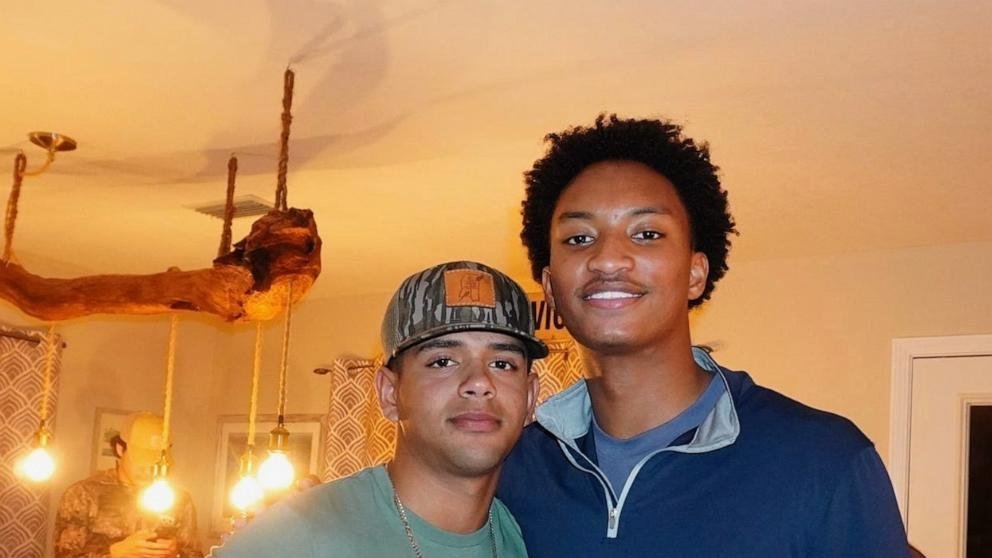
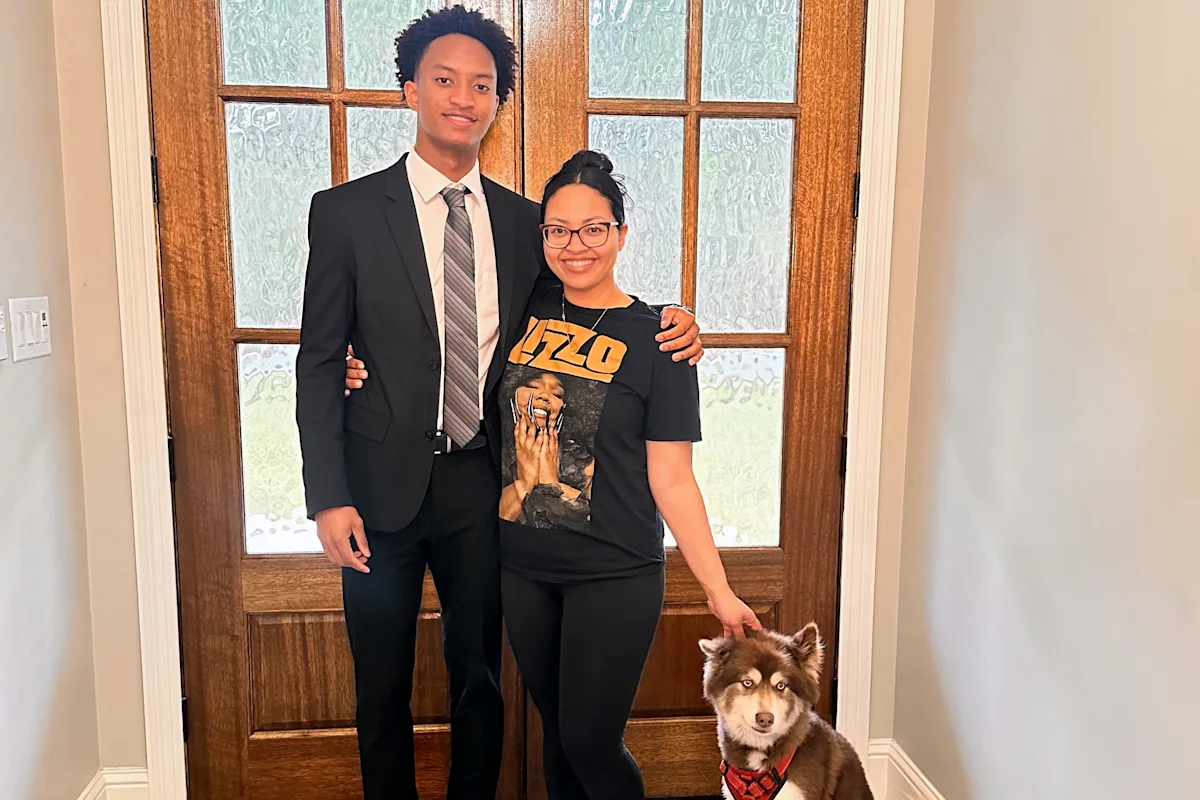
Parallel to the official inquiry, Wells’ parents, Christine and Elmore Wonsley, retained civil rights attorney Ben Crump. The family arranged an independent autopsy performed on July 10 in Washington, D.C., by forensic pathologist Dr. Roger A. Mitchell Jr., former chief medical examiner for the District of Columbia and president of the National Medical Association. Funding support for the second examination came in part from former NFL quarterback Colin Kaepernick’s organization.
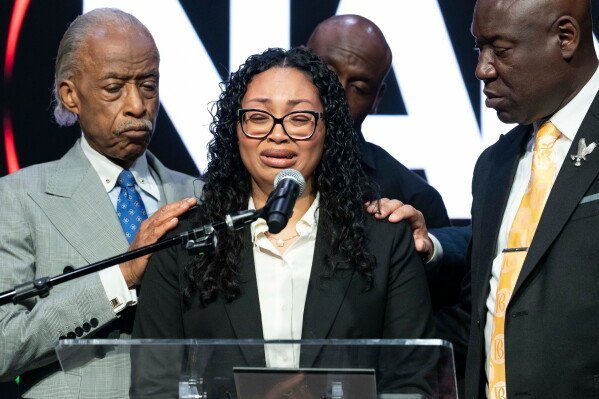
In a July 22 press conference at the NAACP National Convention in Chicago, Crump released preliminary findings from Mitchell’s report. Both the cause and manner of death were classified as “undetermined, pending investigation.” The pathologist documented a 12-by-8-inch area of red discoloration in the deep soft tissue at the back of Wells’ head (occipital region) but found no associated skin lacerations, skull fractures, or deep-tissue injuries elsewhere on the body. Mitchell noted significant limitations: the body showed advanced decomposition by the time of the second examination; certain structures (including neck organs and airway) had been retained after the first autopsy, which is common practice; and toxicology results were not yet available. He explicitly stated that he could not rule out the possibility that non-accidental factors contributed to or caused the death and listed several outstanding questions, including how Wells entered the water, whether he was conscious at the time, the presence of water in the airways, potential neck injuries, stomach contents, and the final toxicology findings.
Jackson County Sheriff John Ledbetter has described the investigation as active and ongoing, with approximately 60 witnesses interviewed and assistance from the FBI on digital evidence analysis. Authorities have solicited photos, videos, and firsthand accounts from anyone present on Horn Island that day. The family and Crump’s team have pursued their own parallel review, including plans for mutual expert examination of Wells’ cellphone and subpoenas related to social-media platforms. A reward has been offered for information that advances the case.
Public discussion of the death has been complicated by circulating rumors, unverified videos, and online speculation. Officials have cautioned against misinformation and noted that social-media narratives have at times hindered the collection of reliable evidence. Separate incidents, including threats against individuals connected to the case, have also drawn law-enforcement attention.
As of the most recent reports in early August 2026, no criminal charges have been filed. The grand jury process will determine whether the collected evidence supports any further legal action. Wells’ family continues to seek a complete accounting of the final hours of a young athlete described by those who knew him as respectful, popular, and full of promise. The official record remains incomplete until the state autopsy details and grand-jury review are concluded.
Sources: NBC , WLOX , CNN, NBC News.