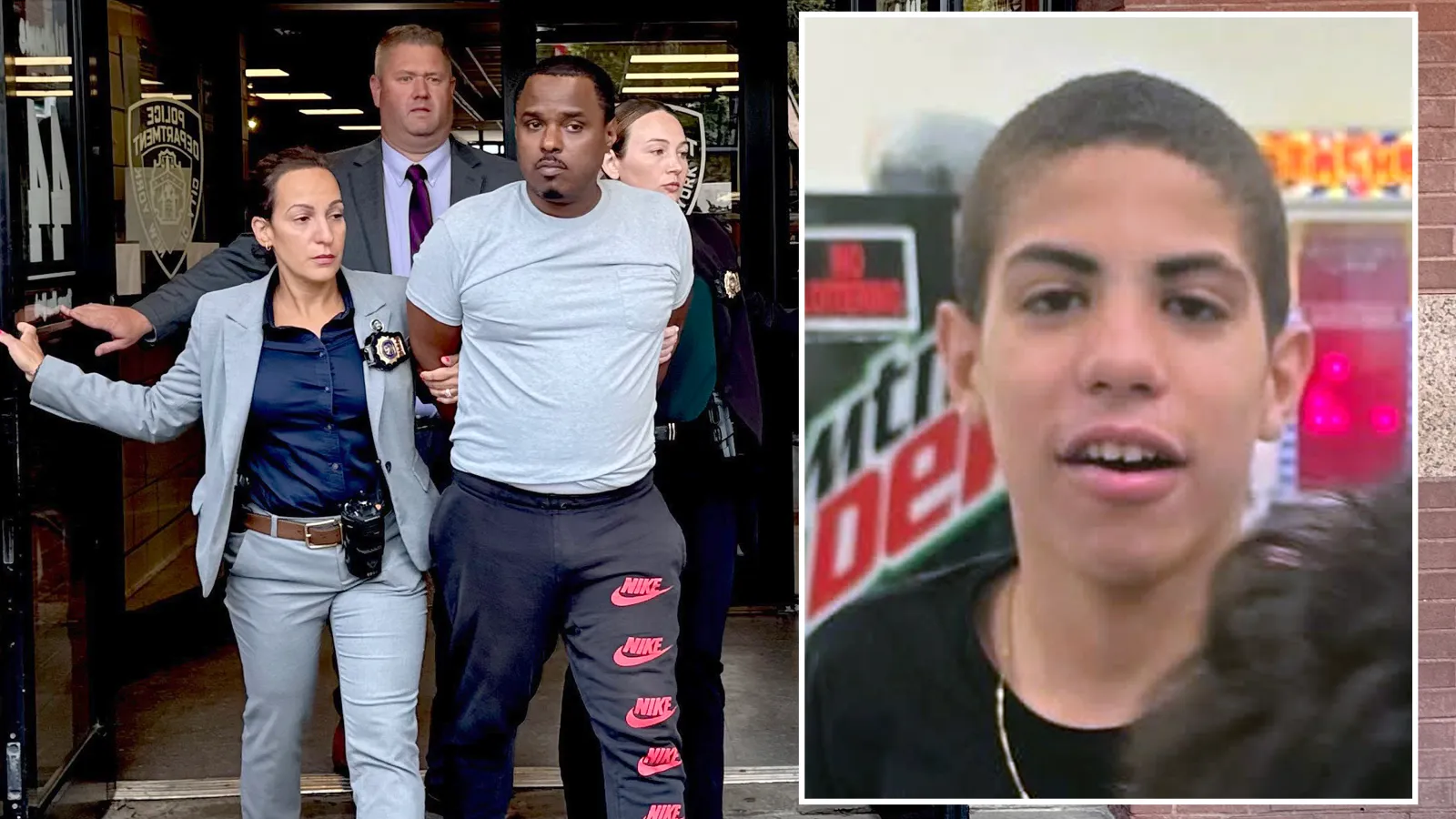
A Bronx neighborhood gathered in grief after the death of 12-year-old Jacob Freytes, a young boy whose life was cut short when gunfire erupted on a Mount Eden street and he was caught in the middle of violence that authorities say was not directed at him. Family members, neighbors, community leaders, elected officials and others came together to honor Jacob’s life while calling for accountability in a case that has left his family and the surrounding community devastated.
Jacob was fatally shot on Saturday, July 25, 2026, near Elliot Place and Walton Avenue in the Mount Eden section of the Bronx. According to police, gunfire broke out shortly before 5 p.m. after an argument involving several people. Jacob was in the area when the shooting began and was struck by a bullet. Two adult men were also wounded in the incident.
Emergency medical personnel rushed Jacob to NYC Health + Hospitals/Lincoln, but the 12-year-old could not be saved. He was pronounced dead at the hospital. Police later identified him as Jacob Freytes, the son of a retired NYPD sergeant detective.
Authorities have said Jacob was an innocent bystander and was not the intended target. Surveillance footage reviewed by investigators showed the boy near the scene as the confrontation unfolded. According to reports, Jacob had been riding his bicycle and had stopped near a local bodega when the violence erupted.
The circumstances surrounding his death have intensified anger across the neighborhood because Jacob was simply going about his day when he became the unintended victim of gun violence. A child who should have been thinking about school, friends, sports and his future instead became the center of a homicide investigation and a grieving family’s desperate search for justice.
The loss was especially painful for Jacob’s parents, who have struggled to comprehend how their son could be taken from them in such a sudden and senseless way. His mother, Migdalia Martinez, has spoken publicly about the devastating impact of the shooting and the future she will never get to see with her child. She has described Jacob as a beloved son whose life was filled with possibilities that were abruptly taken away.
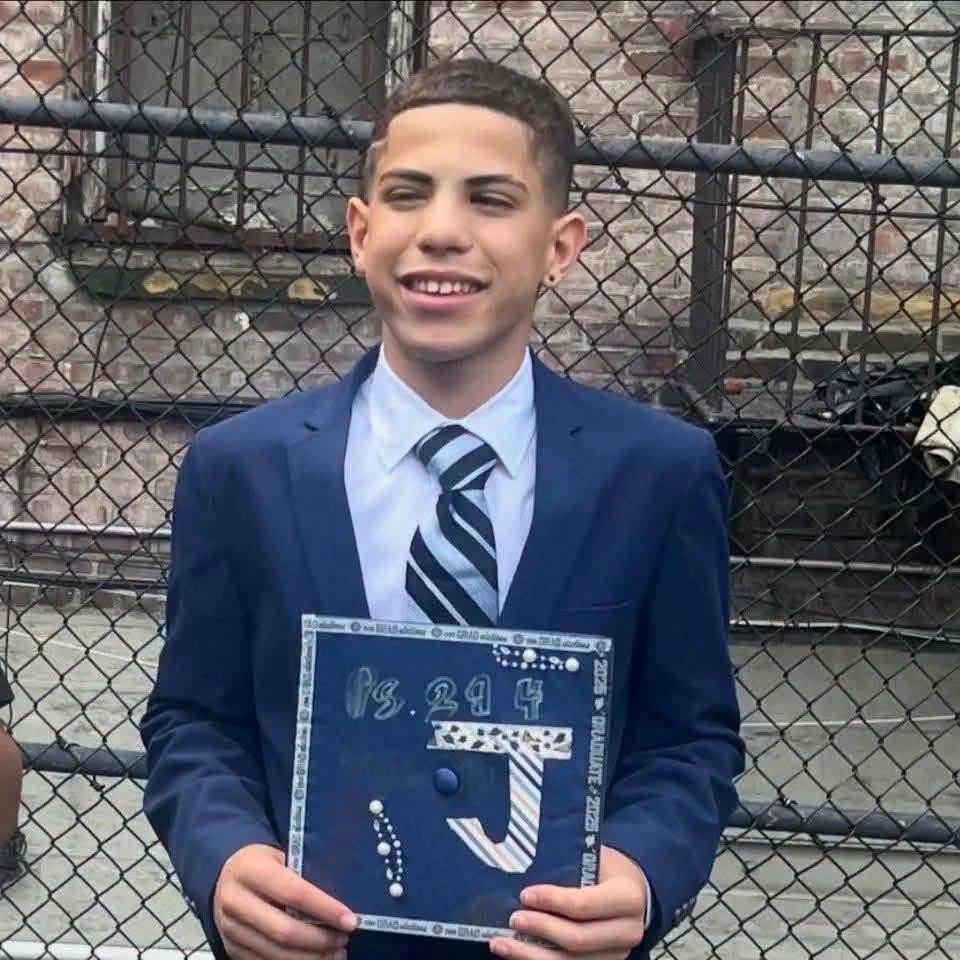
Jacob’s father, Jesus Freytes, is a retired NYPD detective sergeant, making the circumstances even more painful for a family with a long connection to law enforcement and the Bronx community. Friends, relatives and supporters have gathered around the family as they work through a loss that no parent should have to endure.
In the days following the shooting, a memorial grew near the family’s home. Flowers, candles, toys, cards and photographs were placed in Jacob’s memory. A football and other items reflecting the young boy’s interests became part of the tribute, creating a heartbreaking reminder of the childhood that was taken from him.
The community gathering was not simply a memorial. It was also a public demand for accountability.
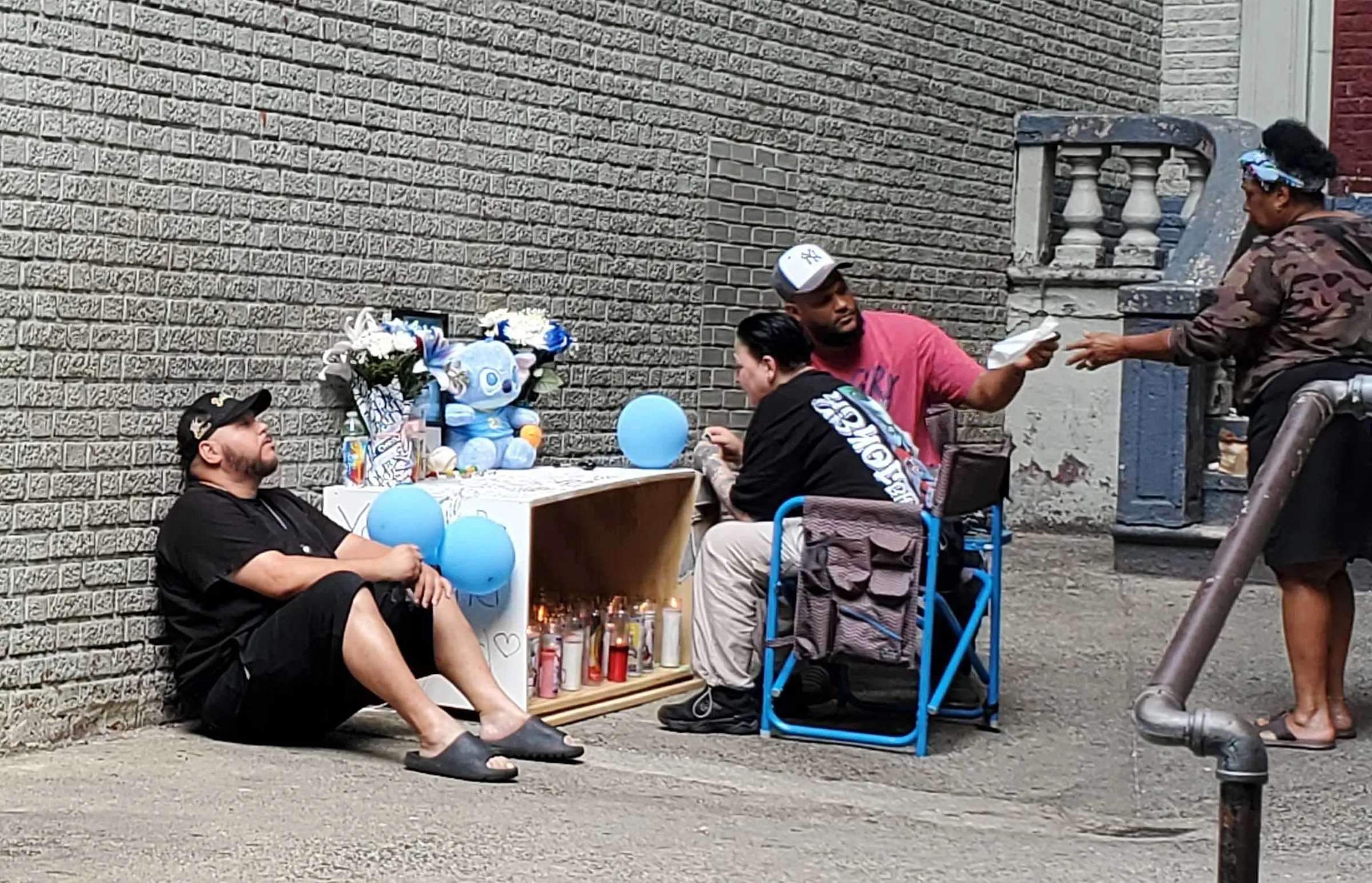
Family members, neighbors, clergy, elected officials and community advocates used the gathering to speak about the consequences of gun violence and the need to prevent another child from becoming an innocent victim. Their message was direct: Jacob’s death should not be treated as another statistic.
The case has also prompted broader conversations about public safety in the Bronx. Residents have expressed concern about violence in the neighborhood and the availability of illegal firearms, while local leaders have called for greater attention to youth safety and community resources.
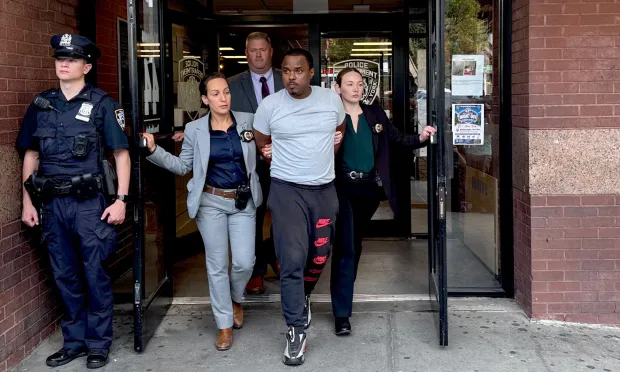
Authorities arrested 45-year-old William Ferrer in connection with the shooting the day after Jacob was killed. Police said Ferrer was taken into custody outside his home in the Bronx. He has been charged with second-degree murder and a series of additional offenses relating to Jacob’s death and the injuries suffered by the two other victims.
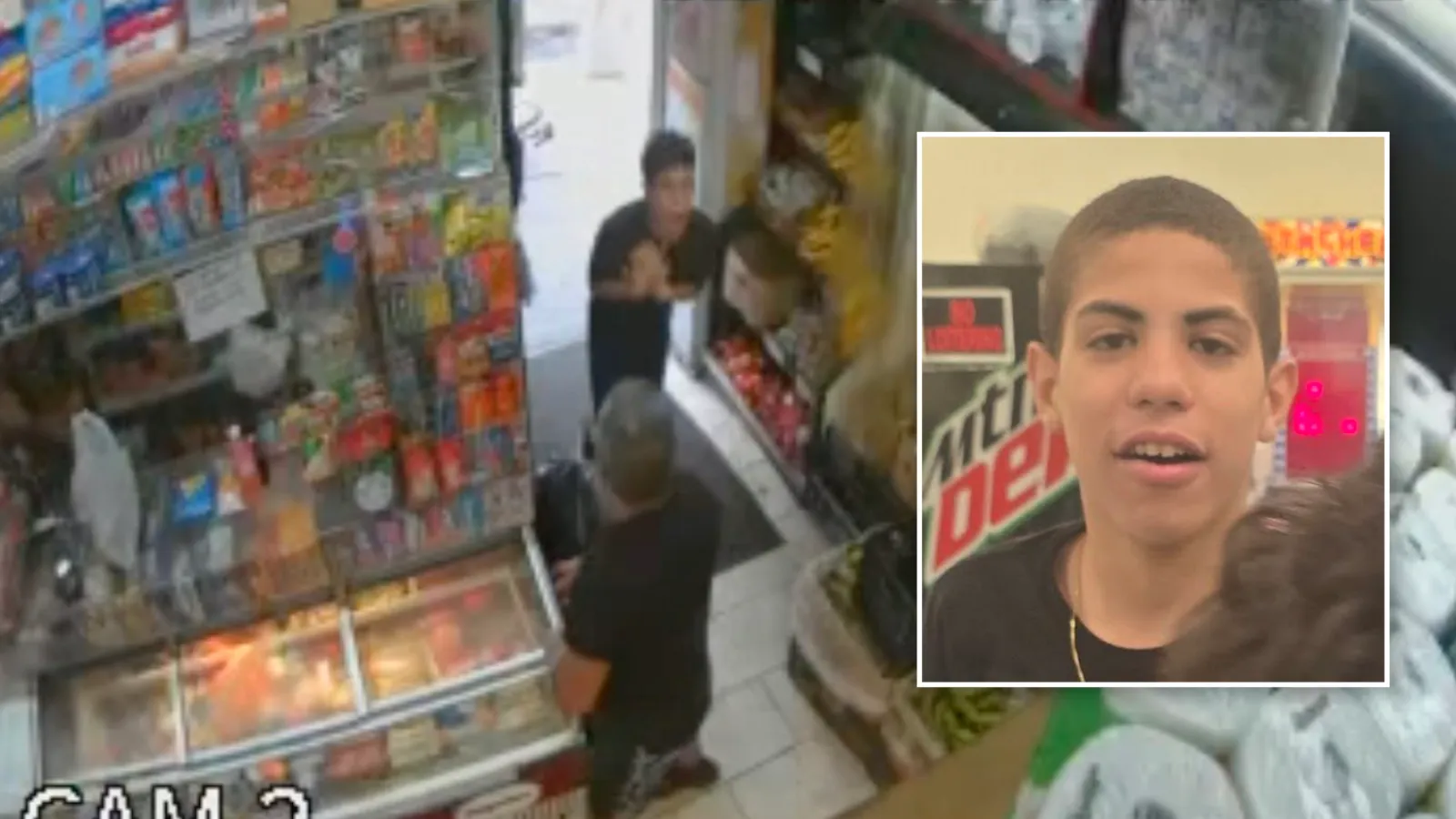
According to the NYPD, the shooting involved a confrontation between adults, and investigators believe Jacob was caught in the resulting gunfire. The two other people who were wounded survived their injuries.
Ferrer was subsequently arraigned and pleaded not guilty. A judge ordered that he remain in custody without bail. The charges against him are allegations, and he is presumed innocent unless and until he is proven guilty in court.
The arrest provided the family with an important step toward accountability, but it did not lessen the pain of losing Jacob. Police Commissioner Jessica Tisch acknowledged the magnitude of the family’s loss while emphasizing that the NYPD would continue pursuing the case.
For Jacob’s mother, the arrest could never replace the child she lost.
She has spoken about the dreams that disappeared with her son. Like any parent, she expected to watch Jacob grow older, graduate from school, build relationships, pursue a career and eventually create a family of his own. Instead, she is now left with photographs, memories and a room that no longer contains the everyday presence of her child.
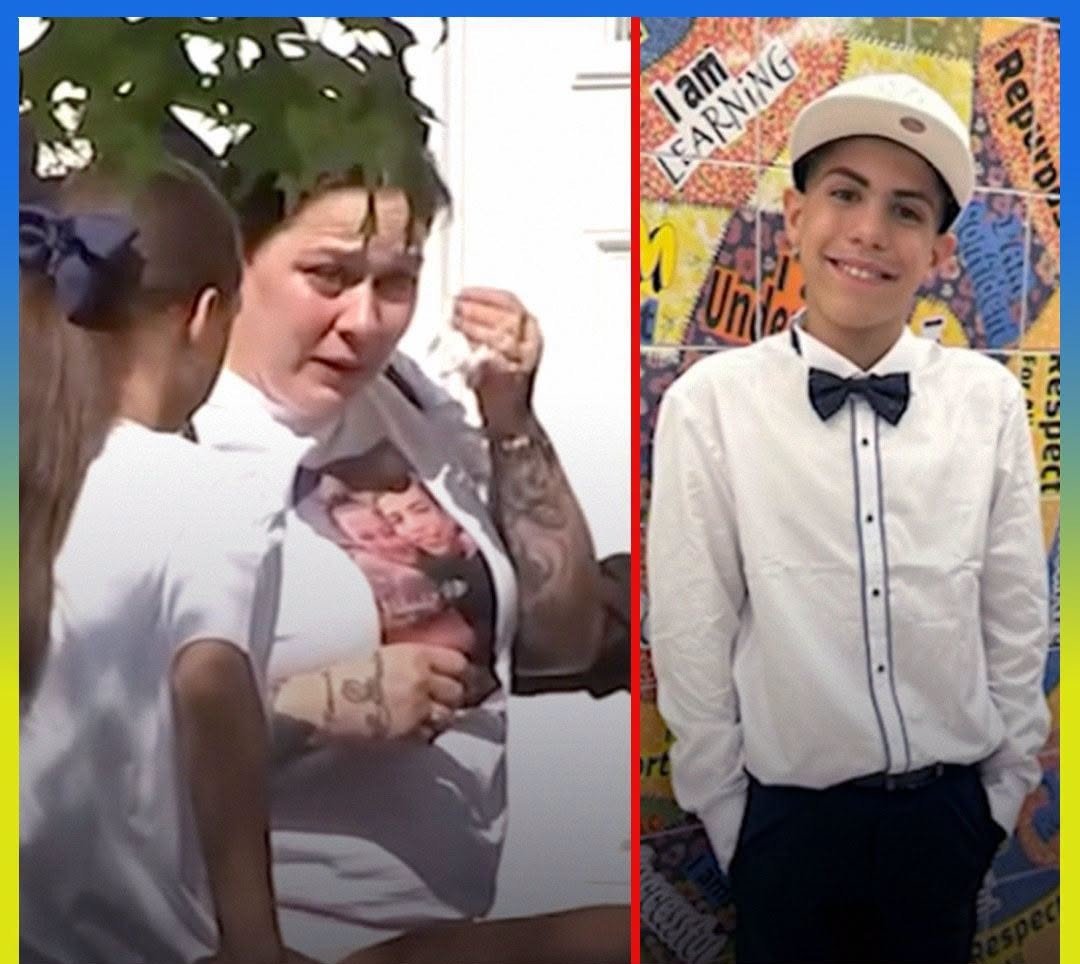
That sense of lost possibility has been repeated by those who knew Jacob. Friends and members of the community have described him as a young boy with a life ahead of him, making the circumstances of his death particularly difficult for those who gathered to remember him.
The tragedy has also drawn attention to the broader problem of children being caught in shootings that begin with conflicts between adults. Jacob was not accused of participating in the dispute. He was not identified as a target. He was simply nearby when bullets were fired.
That distinction has become central to the community’s response.
Residents say the tragedy demonstrates how quickly an argument involving adults can turn into a life-or-death situation for people who have nothing to do with the conflict. A person can be walking down the street, riding a bicycle, entering a store or simply standing outside and suddenly find themselves in the path of gunfire.
For families in neighborhoods where shootings have occurred, that reality creates a constant sense of vulnerability. Parents worry about children walking home from school. Young people are forced to navigate environments where disputes can escalate without warning. And when an innocent child is killed, the consequences extend far beyond one family.
Jacob’s death has therefore become a rallying point for people demanding that more be done to prevent gun violence before another family experiences the same devastation.
Local officials and community members have called for stronger efforts to protect young people and reduce the conditions that allow violence to spread. The discussion has included policing, youth programs, community intervention and the need to keep illegal guns away from people who may use them during disputes.
But amid those larger political and public-safety debates, Jacob’s family has continued to emphasize something much more personal: Jacob was a child.
He was a son.
He was a friend.
He was a member of a community.
And he deserved the opportunity to grow up.
The memorial gathering gave those who knew him a chance to remember more than the circumstances of his death. Instead of allowing the shooting to define his entire story, relatives and friends sought to honor Jacob for the person he was before the gunfire changed everything.
Photographs, flowers and personal belongings placed at the memorial offered glimpses into the life behind the headlines. Each item represented someone who knew Jacob, loved him or simply wanted his family to know that his life mattered.
The community’s response has also demonstrated how quickly tragedy can bring people together. Neighbors who may never have met Jacob personally have joined those who knew him in mourning his death and demanding that his case receive the attention it deserves.
For his family, however, the road ahead will be much longer than the criminal proceedings.
An arrest and prosecution may eventually provide legal accountability, but they cannot restore the years Jacob should have had. His parents will continue to live with milestones that will never happen: birthdays he will not celebrate, school achievements they will not witness, holidays without him and a future that was erased in seconds.
The upcoming court proceedings will determine how the allegations against Ferrer move forward. Prosecutors are expected to present evidence as the case progresses, while the defense will have the opportunity to challenge the accusations. Until a verdict is reached, the charges remain allegations.
Meanwhile, investigators continue to work through the evidence surrounding the shooting, including surveillance footage and witness accounts. The investigation has already resulted in an arrest, but authorities have continued to encourage anyone with relevant information to come forward.
The case has also left the Bronx community asking difficult questions about how many innocent people must be exposed to gun violence before meaningful change occurs.
Jacob’s death is a reminder that violence does not always stay between the people involved in a dispute. A single gunshot can travel beyond its intended target and permanently change the lives of an entire family.
On the day Jacob died, a 12-year-old boy went outside like countless other children do. He was not expecting to become part of a homicide investigation. His family was not expecting a phone call that would change their lives forever.
Now, his name is remembered at a growing memorial, in photographs shared by friends and relatives, and in the words of community members who refuse to let his life be forgotten.
The Bronx gathering was therefore both a goodbye and a demand.
A goodbye to a child whose future was stolen.
And a demand that the violence that claimed him not be allowed to become just another headline.
As the legal case moves forward, Jacob’s family will continue to wait for justice while carrying a loss that cannot be measured in courtroom documents or criminal charges. The community, meanwhile, is left to remember a 12-year-old boy who should have had decades ahead of him.
Jacob Freytes deserved to grow up.
Instead, his family and his community are now fighting to make sure the circumstances of his death are fully investigated, that accountability follows the evidence, and that his short life is remembered for far more than the violence that ended it.