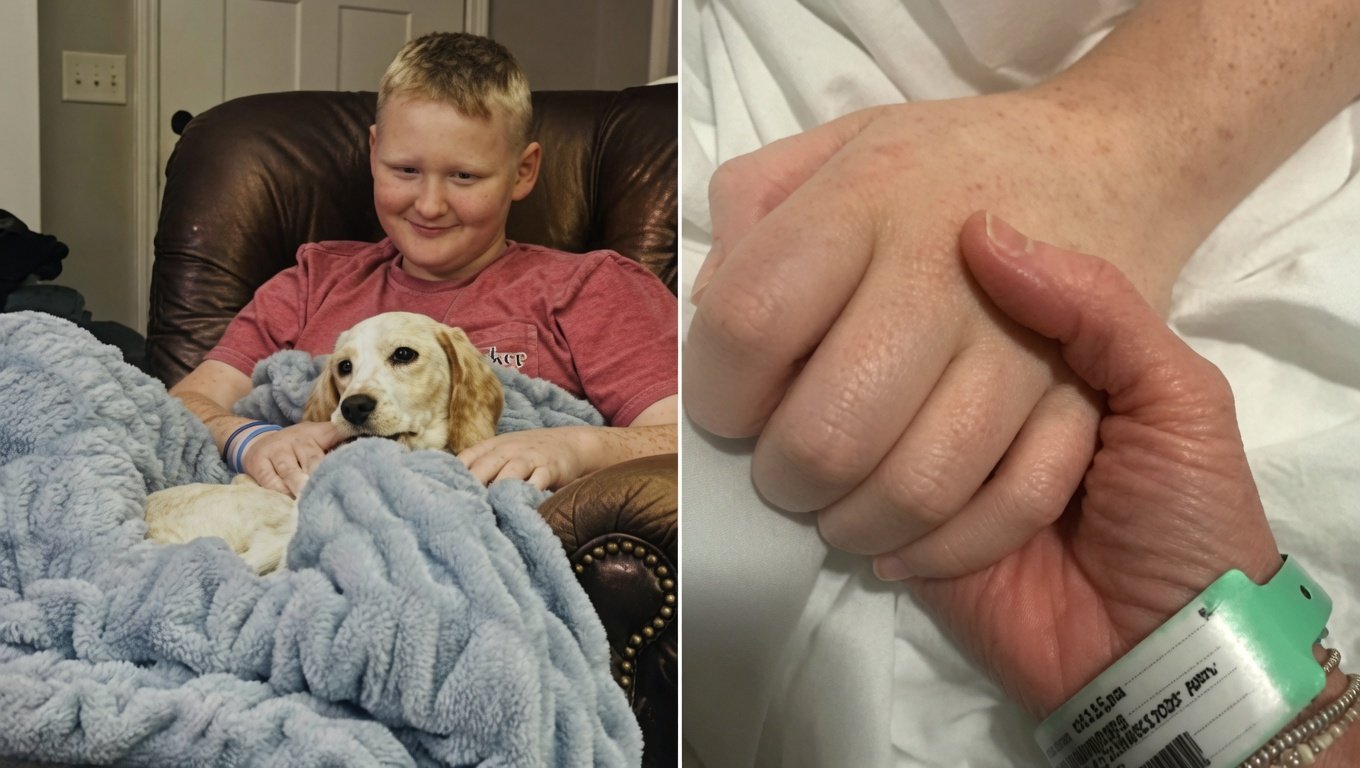
Hundreds of people gathered in Tuscaloosa, Alabama, on Saturday to say goodbye to Will Roberts, the 15-year-old whose nearly two-year battle with Stage IV osteosarcoma brought together thousands of people through prayer, faith and support. Rather than allowing the funeral to center solely on the cancer that ultimately took his life, Will’s family, friends and church leaders used the service to remember the teenager for the faith and hope they said defined him throughout his final months.
The funeral service was held at the Shelton State Community College gymnasium, where a large crowd came together to honor a young life that had reached far beyond the small Alabama community where Will grew up. Will died on July 23, 2026, after a 19-month battle with Stage IV osteosarcoma. His illness had been followed publicly by people throughout Alabama and beyond, many of whom joined his family in prayer as his condition changed over the course of his treatment.
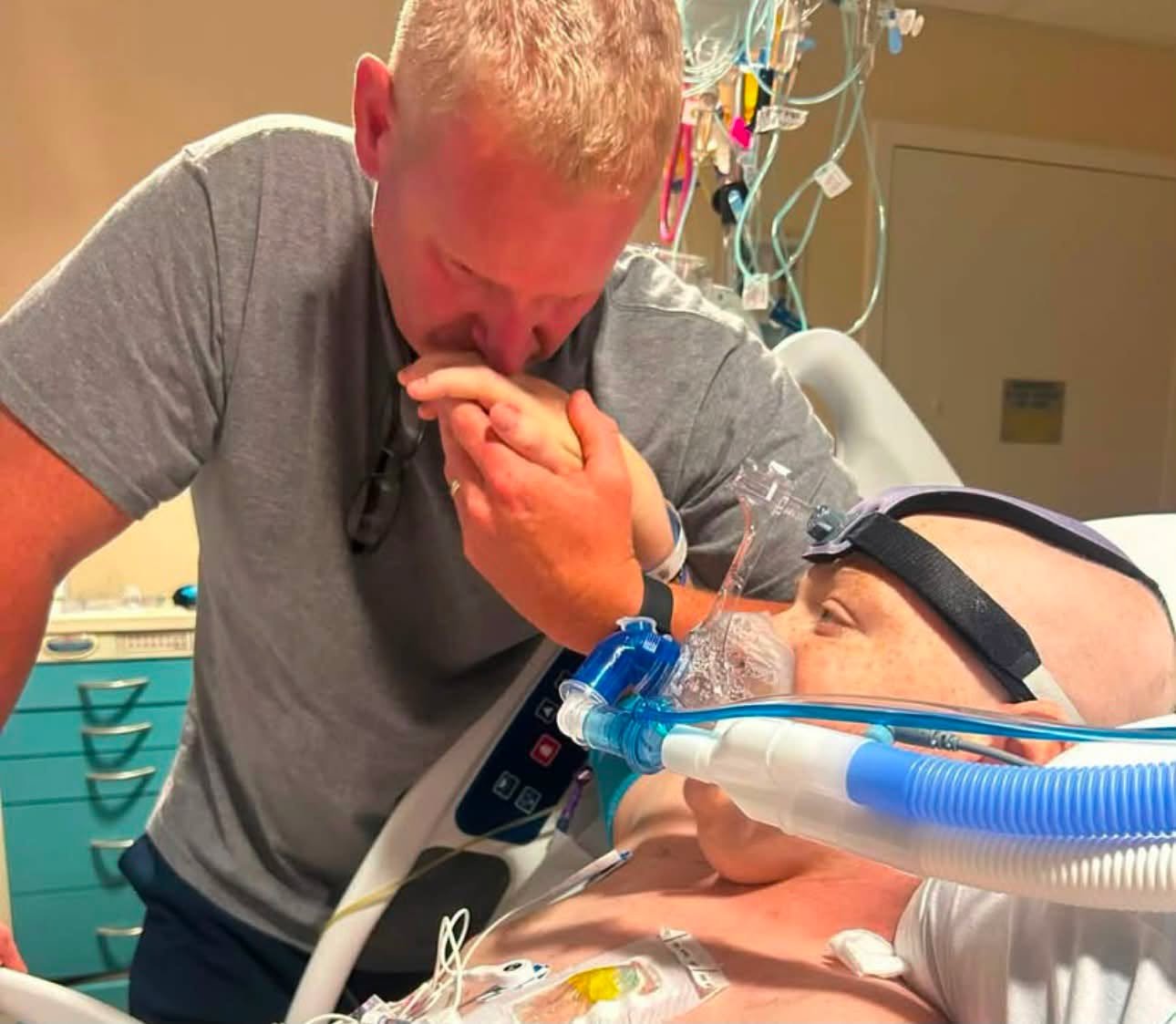
The atmosphere inside the gymnasium was understandably heavy with grief, but speakers repeatedly returned to a message of hope. During the nearly two-hour service, the emphasis was not simply on how much Will had suffered, but on the way his family believed he responded to that suffering. His faith, rather than his illness, became the central theme of the farewell.
The pastor who opened the service acknowledged the pain felt by Will’s family and friends while encouraging those gathered to look beyond the immediate grief. The message reflected the family’s Christian beliefs and their conviction that Will’s life had not been defined by cancer. The service repeatedly presented his death not as the end of his influence, but as another part of the faith journey that had shaped the way his family and supporters viewed his life.
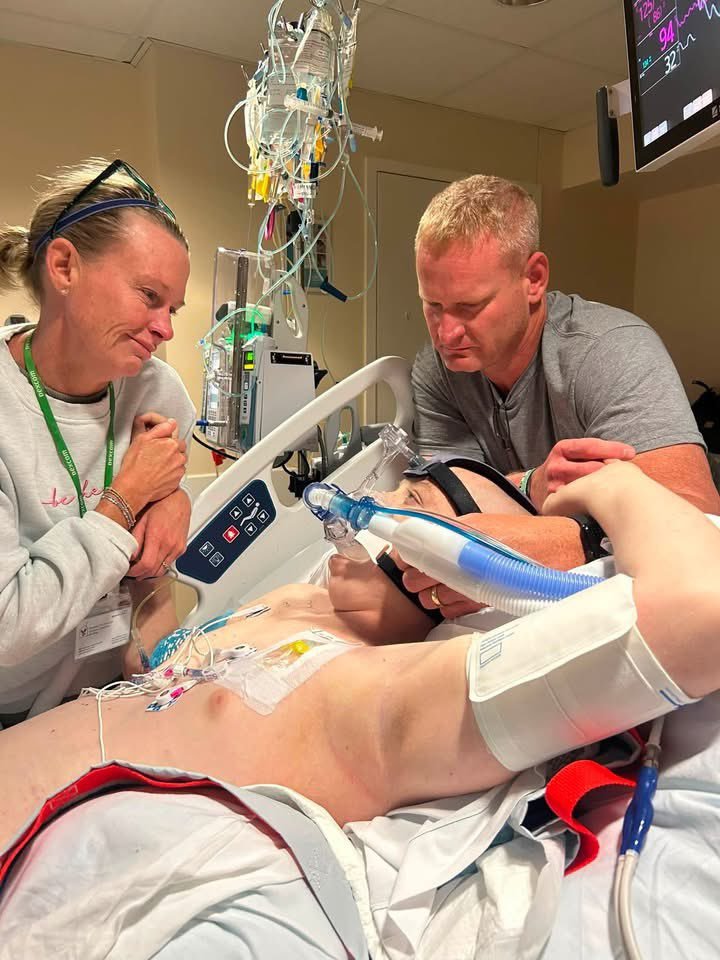
Friends also remembered Will as a teenager who continued moving forward despite circumstances that could easily have overwhelmed him. Cooper Gradwell spoke about Will’s love of hunting and used that interest as a way of describing what happened after the cancer diagnosis. His remarks portrayed Will as someone suddenly placed in circumstances he had never chosen, yet who continued to face each day rather than allowing fear or uncertainty to determine how he lived.
That perspective was echoed throughout the service. Family members described Will as someone who had every reason to question why such a devastating illness had happened to him, but who instead continued relying on his faith. For those who knew him, his response to cancer became part of the reason so many other people became emotionally invested in his story.
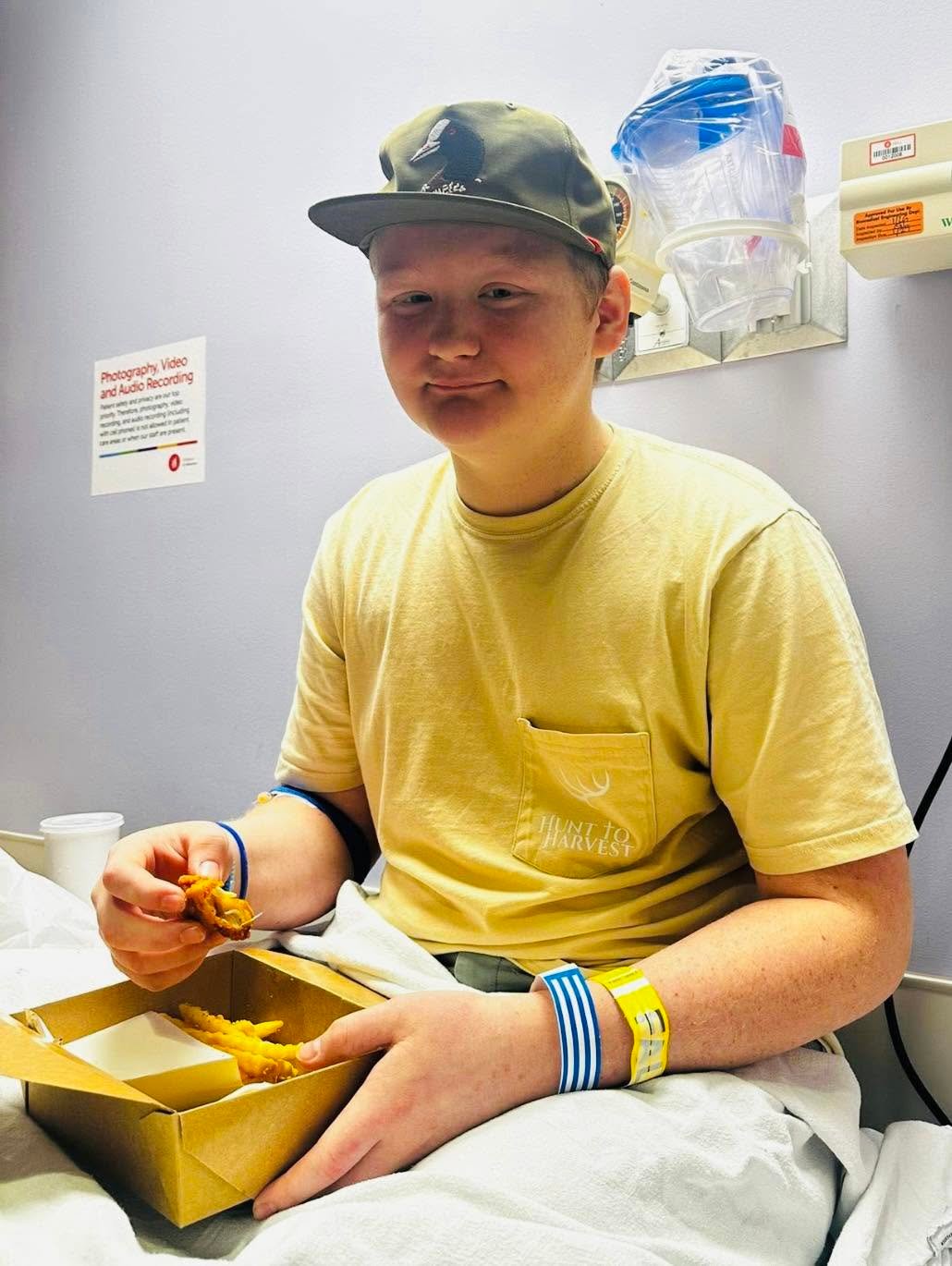
Will’s mother, Brittney Roberts, shared one of the most personal memories of the service when she spoke about a handwritten note she had placed in her son’s suitcase years before he became ill. In that note, she told Will that he would accomplish significant things in his life. At the time, it was simply a mother’s encouragement to her child. After his death, however, she said she viewed those words differently.
Brittney told mourners that she now believed the note had unintentionally anticipated the impact Will would eventually have on other people. His cancer journey brought strangers together in prayer, encouraged people to turn toward their faith and created a community of supporters who followed the family’s experiences from thousands of miles away. She reflected that many people spend decades hoping to make a lasting difference, while Will had made an impact at only 15 years old.
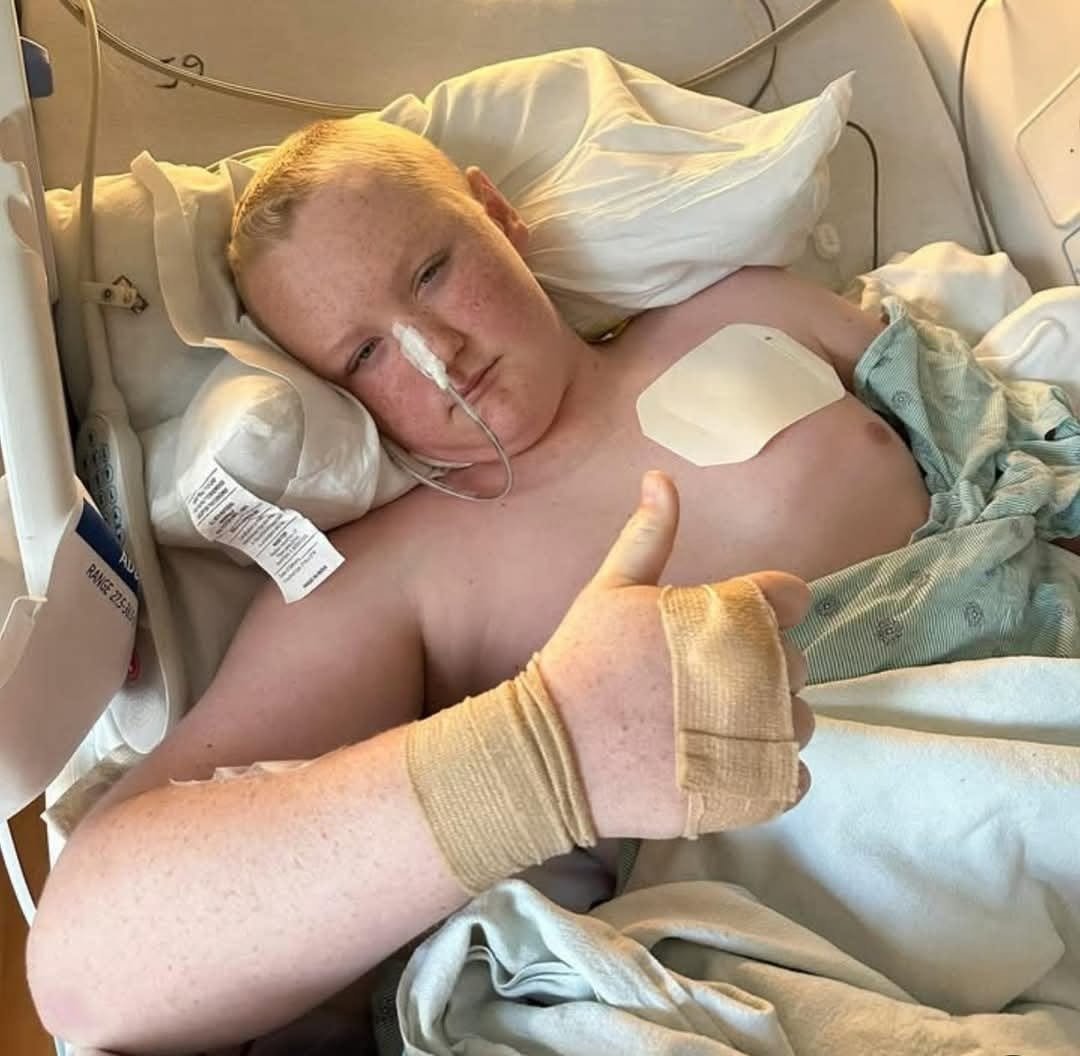
That influence was one of the most important themes of the funeral. The people gathered were not only mourning a teenager who died far too young; they were also recognizing the unusual reach his story had achieved. A child from a small Alabama community had become known to people who had never met him personally, largely because his family shared the realities of his cancer treatment and the role faith played in helping them endure it.
Will’s father, Jason Roberts, spoke about the enormous amount of life and emotion compressed into the period between the beginning of 2026 and Will’s death on July 23. His comments reflected both the devastation of losing a child and the gratitude that came from having shared the final months of Will’s life with him.
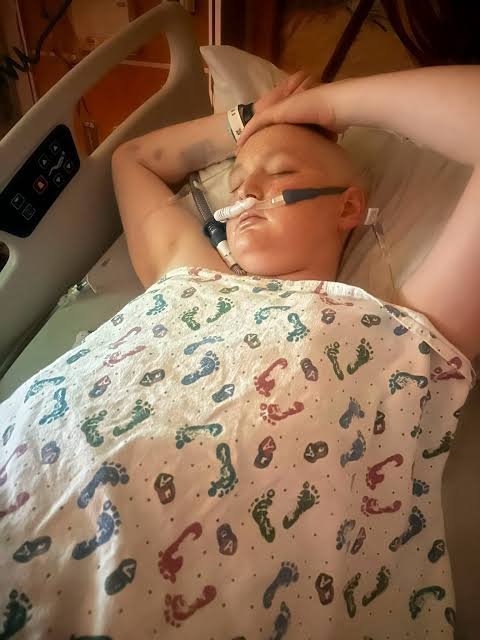
Jason also reflected on the family’s previous experience with loss. Will’s older sister, Darby Kate, died as an infant in 2013, meaning that the Roberts family had already experienced the unimaginable pain of losing a child before facing Will’s cancer diagnosis. The circumstances surrounding Will’s illness therefore carried an especially profound weight for his parents.
Yet Jason’s remarks were not focused only on what his family had lost. He also thanked the people who had supported them throughout Will’s illness. Messages, prayers, visits, acts of kindness and other forms of support had become an important part of the family’s experience. He reminded those attending that everyone faces difficult periods in life, even when those struggles are not visible to others, and that words and actions can have a lasting effect on someone going through a personal storm.
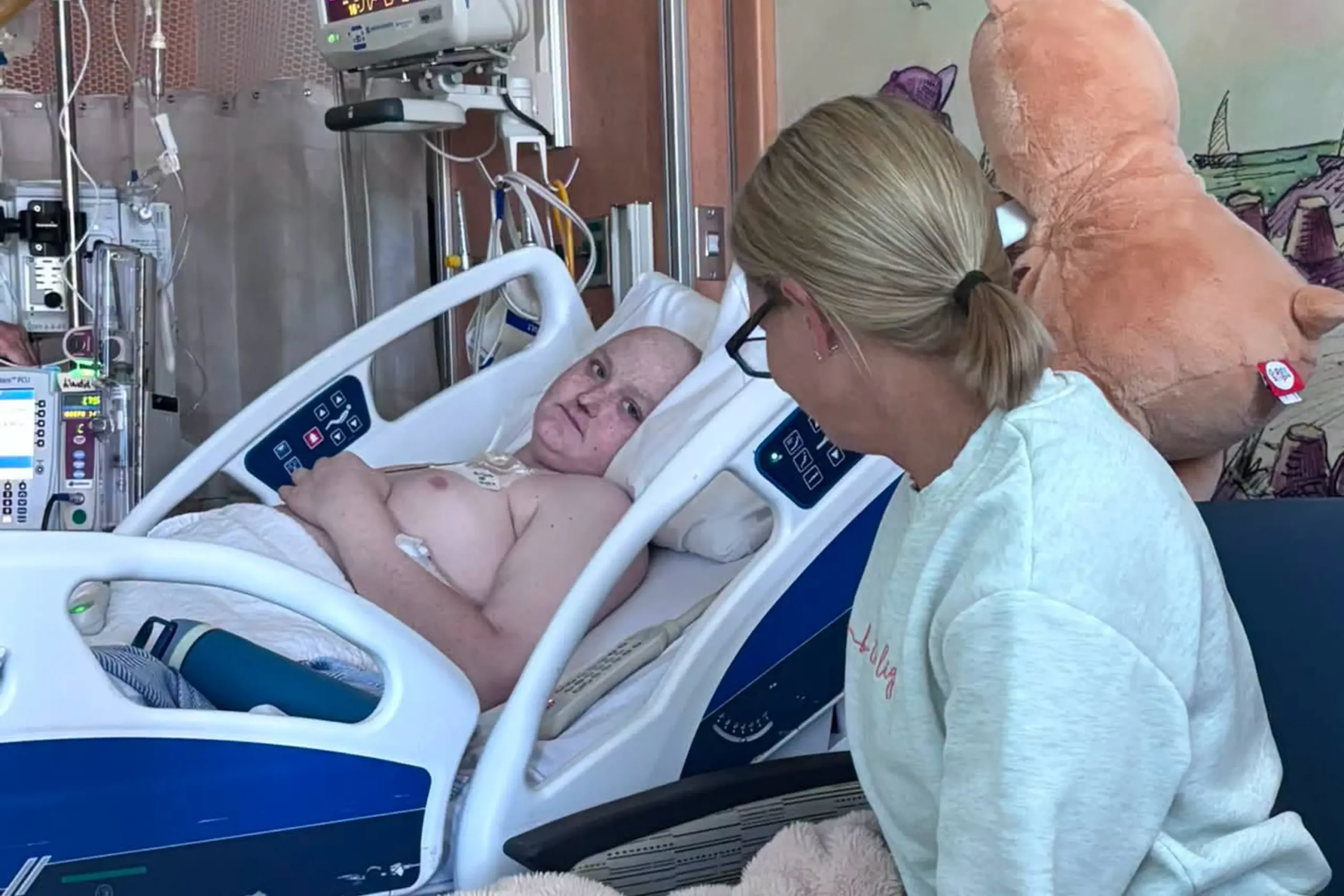
Other speakers emphasized that Will’s influence was not limited to the people who had known him for years. Dexter Roberts, who said he had met Will only a few months earlier, spoke about how remarkable it was that a teenager from a small Alabama community had touched people across the country through his testimony and his faith.
That sentiment reflected the broader response to Will’s story. His battle with Stage IV osteosarcoma became more than a medical story. Through his family and the community surrounding him, it became a story about perseverance, prayer, family and the way one person’s experience can inspire people who are complete strangers.
The pastor ultimately described Will as a “modern day evangelist,” encouraging those at the service to carry forward the message of faith that Will had come to represent. The service included an altar call following the sermon, and several people came forward to profess their faith. For those who organized and attended the funeral, that moment reinforced the idea that Will’s legacy would continue through the people whose lives were changed by his story.
Will’s death came after a long and difficult battle with osteosarcoma, a serious form of bone cancer. His family had publicly documented much of the journey, allowing supporters to follow the highs and lows of treatment and to see how rapidly the illness affected his life. Reports following his death said he passed away at Rady Children’s Hospital in San Diego, where he had been receiving treatment. His mother announced his death on July 23, saying the family had been by his side.
The funeral arrangements had been announced several days earlier, with public visitation scheduled at the Shelton State Community College gymnasium on August 1, followed by the funeral service. Burial was then held at Wesley Chapel Cemetery in Ralph, Alabama.
For the hundreds who gathered, however, the day was about more than the formal farewell. It was an opportunity to remember the personality behind the headlines and the cancer updates: a teenager who loved hunting, who was deeply loved by his parents and friends, and whose family believed his strongest legacy came from the way he maintained his faith during an extraordinarily difficult period.
The Roberts family’s message throughout the service was clear. Will’s life was not being measured simply by how long he lived, but by the effect he had on the people around him. His mother spoke of strangers being brought together through prayer. His father spoke about the lessons his son had taught him. Friends remembered his determination. Church leaders emphasized the faith that they believed had carried him through the hardest moments.
Those memories now form the foundation of the legacy Will leaves behind.
For many families, the death of a child can make it impossible to see beyond the immediate pain. The Roberts family has openly acknowledged that pain while choosing to focus on the meaning they believe they found throughout Will’s illness. Their decision to emphasize faith at his funeral reflected the same message that had accompanied them throughout his treatment: that even in circumstances they could not control, they could choose how they responded.
Will Roberts lived only 15 years, but the people who gathered in Tuscaloosa believe the size of his legacy cannot be measured by his age. His story reached people far beyond Ralph and Tuscaloosa County, bringing together supporters who prayed for him, followed his medical journey and offered encouragement to his family.
Now, after his funeral and burial, those supporters are left with memories rather than updates from the hospital. The Roberts family is beginning a new chapter without their son, while carrying forward the message they believe he embodied.
The farewell in Tuscaloosa was therefore both a funeral and a celebration of the life Will lived. There were tears, grief and the unmistakable pain of losing a child, but there was also gratitude for the years he had been part of his family’s life and for the impact he made during his illness.
For those who knew him, Will Roberts’ story did not end with his final breath on July 23. They believe it continues through the people who were inspired by his courage, through the strangers who prayed for him, and through the faith that his family says remained at the center of his life.
As the crowd gathered to say goodbye, the message repeated throughout the service was that cancer may have ended Will’s physical battle, but it did not erase the influence he had already created. His family, friends and supporters now hope that the legacy built during those 15 years will continue to encourage others long after the funeral flowers have faded and the crowds have gone home.
Sources: https://abc3340.com