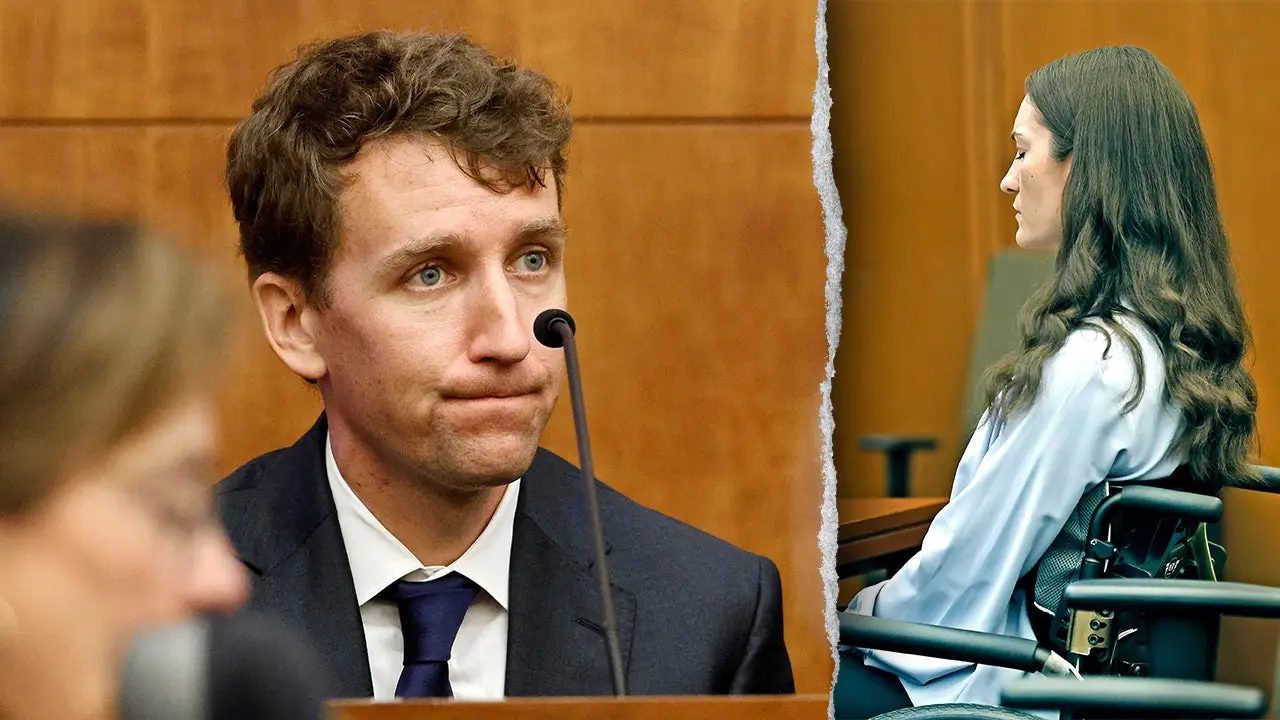
The criminal trial of Lindsay Clancy, the 35-year-old Massachusetts mother facing serious charges related to the tragic loss of her three young children, reached an important moment this week in Plymouth Superior Court. On Tuesday, August 4, 2026, Clancy addressed the court on the record for the first time since proceedings began. She agreed to a significant stipulation that could shorten the length of the trial and place greater emphasis on questions surrounding her mental condition at the time of the events.
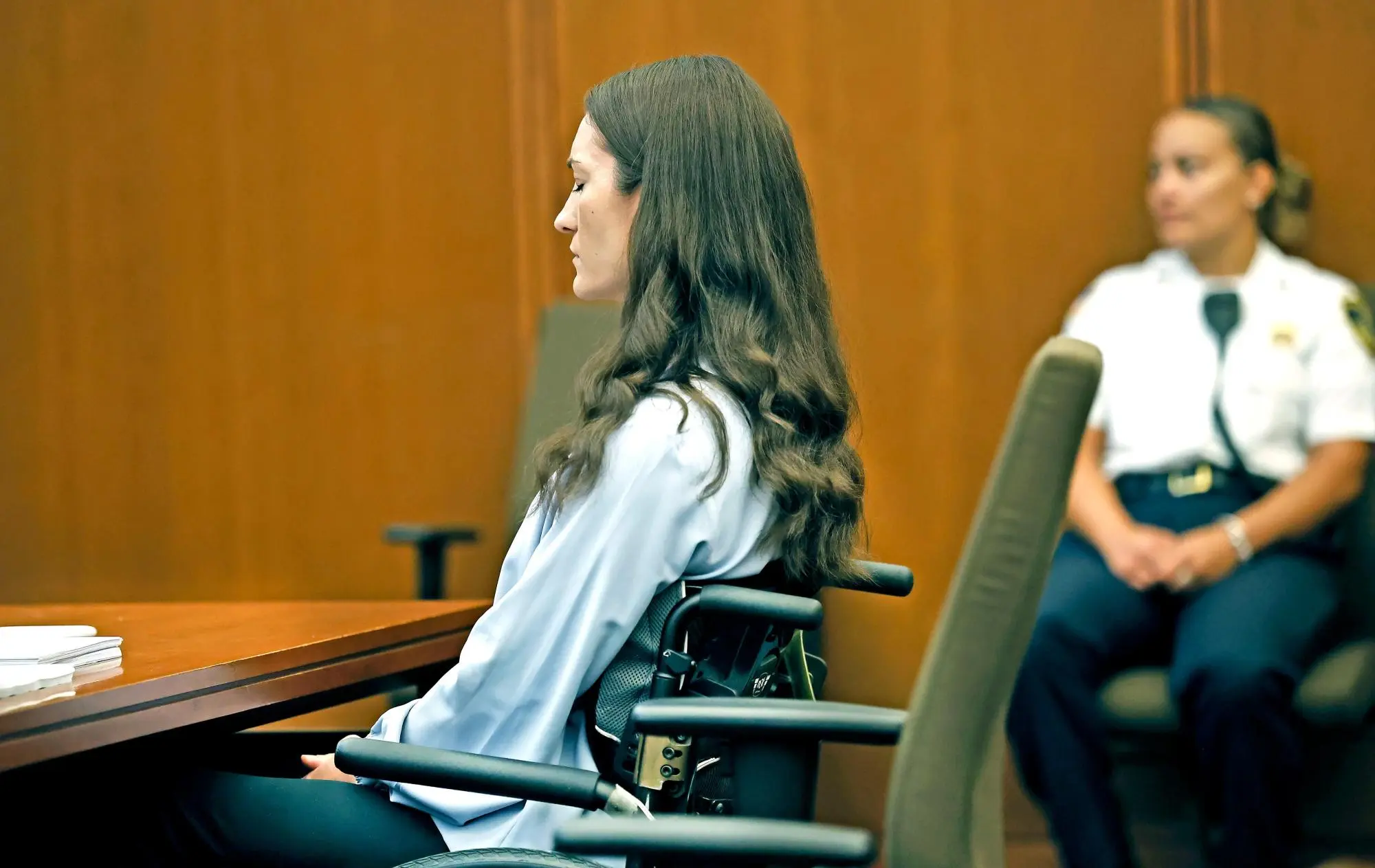
Clancy faces three counts connected to the deaths of her children — Cora, age 5; Dawson, age 3; and Callan, who was 8 months old — which occurred on January 24, 2023, at the family’s home in Duxbury. According to the prosecution, she used exercise bands in an incident that resulted in the children’s deaths after sending her then-husband, Patrick Clancy, out to collect a takeout order. Shortly afterward, she inflicted injuries on herself and jumped from a second-story window. She survived the fall but was left paralyzed from the waist down and has attended court in a wheelchair.
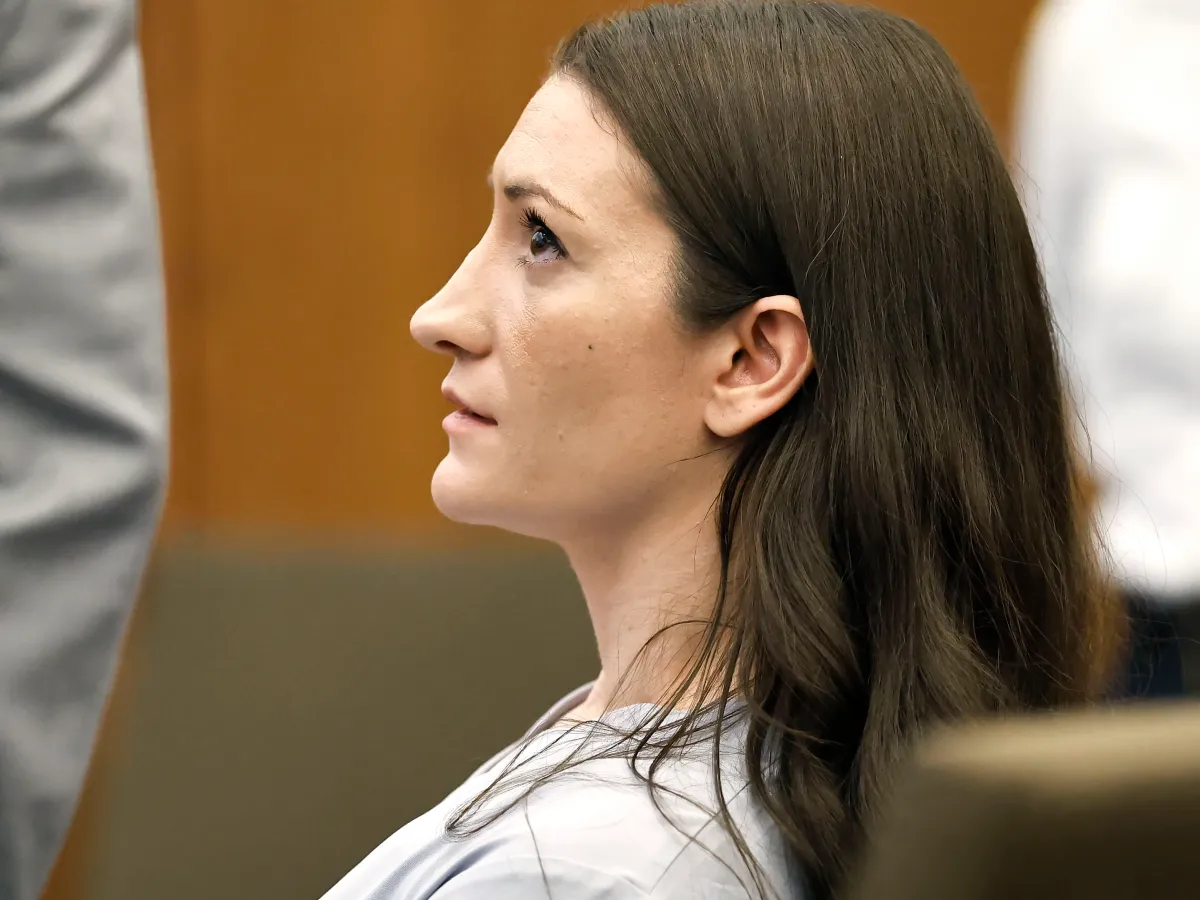
Clancy has entered a plea of not guilty. Her defense team, led by attorney Kevin Reddington, does not dispute the basic sequence of events. Instead, they argue that she lacked criminal responsibility due to severe postpartum psychosis, a rare and serious mental health condition that can appear after childbirth. The defense maintains that her condition was intensified by a complex combination of psychiatric medications prescribed in the months leading up to the incident. Both Clancy and her former husband have filed separate civil lawsuits claiming that medical providers failed to properly diagnose and treat her condition.
The stipulation and Clancy’s first statements in court
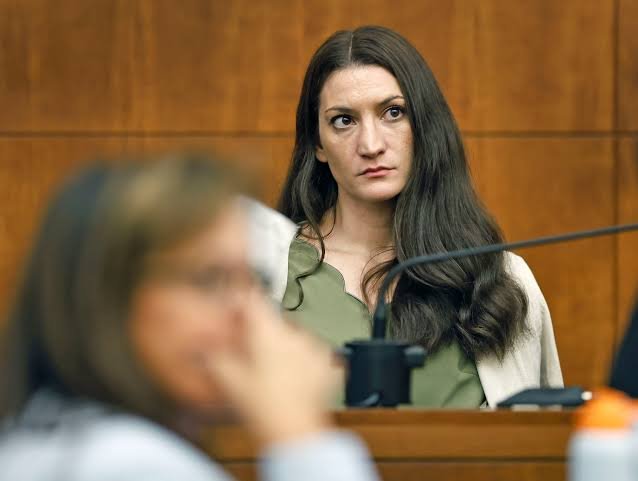
Before the jury entered the courtroom on August 4, Clancy was sworn in and answered questions from Judge William Sullivan. She confirmed that she understood and voluntarily accepted a “stipulation of facts” covering DNA evidence, blood samples, the exercise bands involved in the case, and the chain of custody of key physical items.
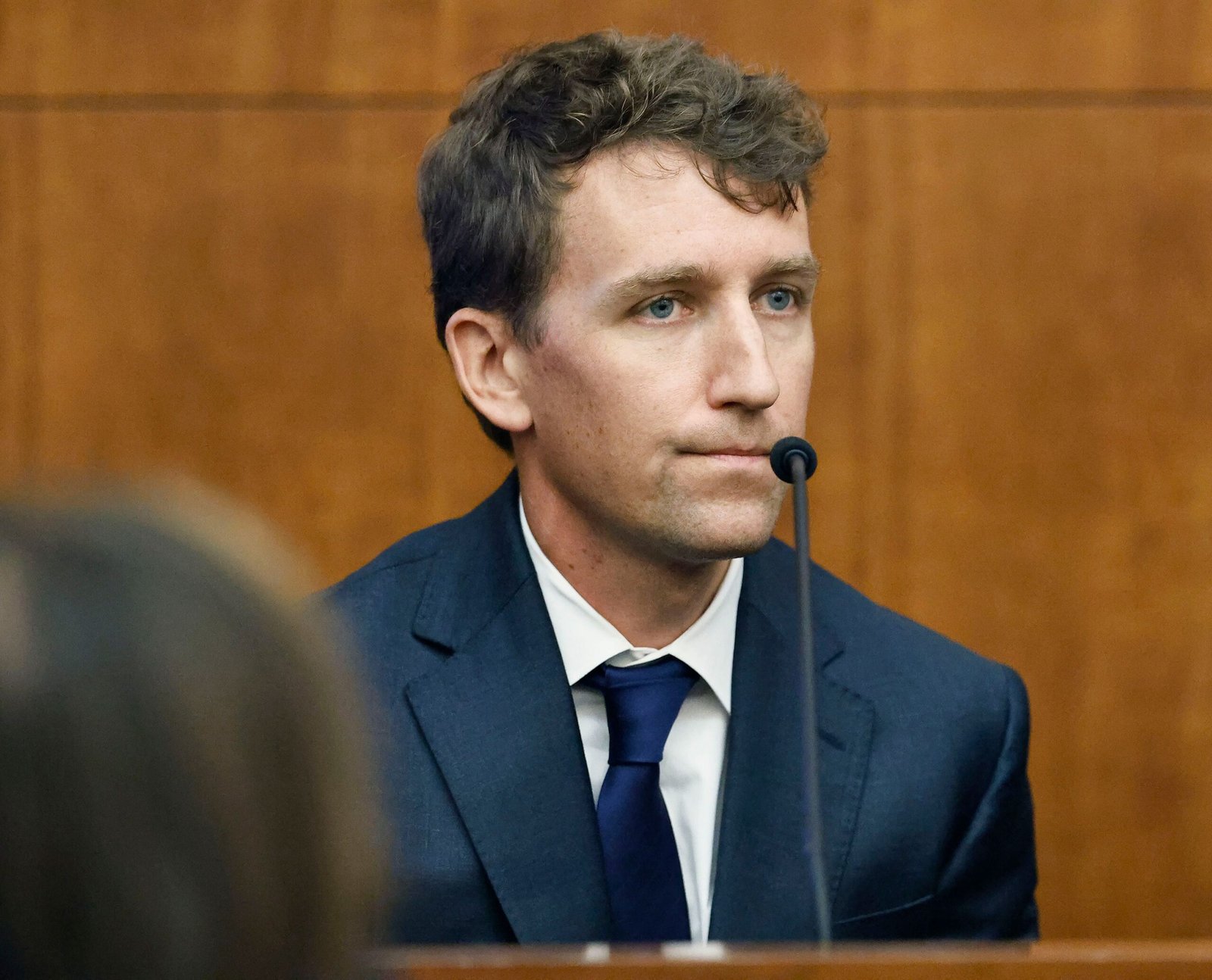
By agreeing to the stipulation, Clancy removed the need for prosecutors to call a large number of witnesses solely to establish basic forensic foundations. Defense attorney Reddington explained to the court that the agreement would spare the jury “dozens if not more” witnesses and potentially several days of technical testimony. Judge Sullivan determined that Clancy entered the stipulation knowingly, intelligently, voluntarily, and with full competence. The specific details of the agreement have not been released publicly unless and until they are presented to the jury.
This step does not constitute an admission of criminal responsibility. It simply narrows the central question for the jury: whether Clancy, at the relevant time, was capable of understanding the nature of her actions or of controlling her conduct according to the law.
Testimony on forensic findings and medications
Later on August 4, the jury heard from several forensic and scientific witnesses. A bloodstain pattern analyst described blood located in the basement and throughout Clancy’s bedroom, consistent with her self-inflicted injuries after the children’s deaths. Toxicologists reported that the three children tested negative for any drugs or substances. Clancy’s own blood and urine samples, however, showed the presence of several psychiatric medications, including the antipsychotic Seroquel (quetiapine) and benzodiazepines such as Ativan.
Earlier testimony and documents referenced this week included Clancy’s detailed personal notes tracking her medications, dosages, and their effects. In entries from December 2022 — the month before the incident — she recorded that certain combinations helped her sleep but also produced “HORRIBLE THOUGHTS.” Journal passages shared with the jury described her as feeling completely overwhelmed, desperate for a mental break from caregiving responsibilities, and struggling with severe insomnia, anxiety, and depression.
Developments on the following day
On Wednesday, August 5, the trial continued with further testimony. A former nanny for the Clancy children told the court that Lindsay Clancy had spoken with her about postpartum difficulties. Forensic analysts provided additional information on DNA evidence recovered from the scene, and toxicologists along with a medical provider who treated Clancy after the incident also appeared as witnesses. The court limited testimony to a half-day so that attorneys and the judge could address other matters in the afternoon.
The broader significance of the case
The trial has attracted national attention because it centers on a rare and often misunderstood condition — postpartum psychosis — in determining criminal responsibility. Prosecutors maintain that Clancy acted with intent and remains fully accountable. The defense presents the picture of a mother who deeply loved her children, repeatedly sought professional help, and was failed by a medical system that prescribed multiple medications while underestimating the seriousness of her illness.
Clancy remains held without bail and continues to receive treatment. Because of the stipulation, the trial — originally expected to last several weeks — may now proceed more efficiently. The jury will ultimately decide whether the evidence of Clancy’s mental state at the time of the events is sufficient to find that she lacked criminal responsibility.
Sources : New York Post