
The murder trial of Lindsay Clancy has entered one of its most closely watched stages as jurors hear increasingly detailed testimony about the Massachusetts mother’s mental health in the months before she killed her three young children in January 2023. At the center of the case is a question that has divided the prosecution and defense from the beginning: Was Clancy capable of understanding what she was doing when her children died, or was she experiencing a severe psychiatric disorder that left her unable to appreciate the reality and consequences of her actions?
Clancy, a former labor and delivery nurse, is charged with three counts of first-degree murder in the deaths of her children, five-year-old Cora, three-year-old Dawson and eight-month-old Callan. She has not denied that she caused their deaths, but she has pleaded not guilty by reason of insanity. Her defense argues that she was suffering from an extreme mental health crisis, including postpartum psychosis and symptoms associated with bipolar disorder, and that a combination of psychiatric medications, prolonged sleep deprivation and inadequate treatment contributed to her deterioration.
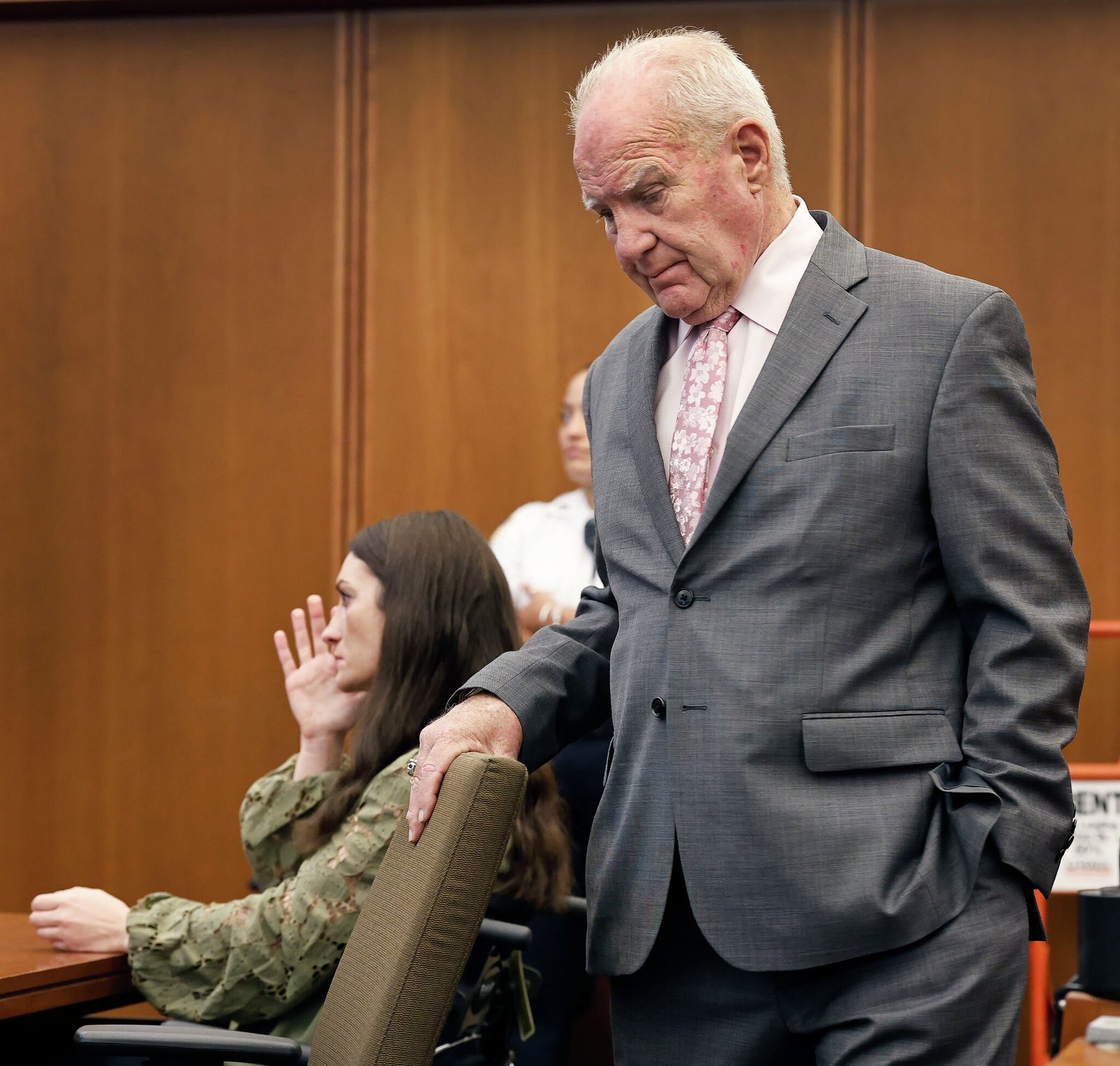
Prosecutors have presented a sharply different account. They argue that Clancy deliberately killed her children and then attempted to take her own life. According to the prosecution, the evidence will show that her actions were planned rather than the result of a complete break with reality. The defense, meanwhile, says the prosecution’s interpretation ignores the severity of the psychiatric symptoms Clancy was experiencing and the treatment she received in the months before the killings.
The case began on January 24, 2023, when Clancy’s husband, Patrick Clancy, returned to the family’s Duxbury home after leaving to pick up food and medication. He found his three children critically injured and discovered Lindsay severely wounded after what authorities described as an attempted suicide. The children later died from their injuries. Lindsay survived but suffered permanent paralysis as a result of her suicide attempt.

Patrick Clancy has become one of the most emotionally complicated witnesses in the case. Although he is the children’s father and a key prosecution witness, he has previously spoken publicly about his belief that his wife was suffering from a devastating mental illness rather than acting as the person he knew her to be. His earlier public statements described Lindsay as a loving mother who became increasingly unwell after the birth of their third child.
During the trial, however, prosecutors have sought to use Patrick’s testimony to establish a timeline of Lindsay’s behavior and mental state before the deaths. Jurors have heard about changes in her mood, her struggles with sleep and her conversations about suicidal thoughts and fears. The defense has used much of the same history to argue that the warning signs of a serious psychiatric crisis were present well before January 24.
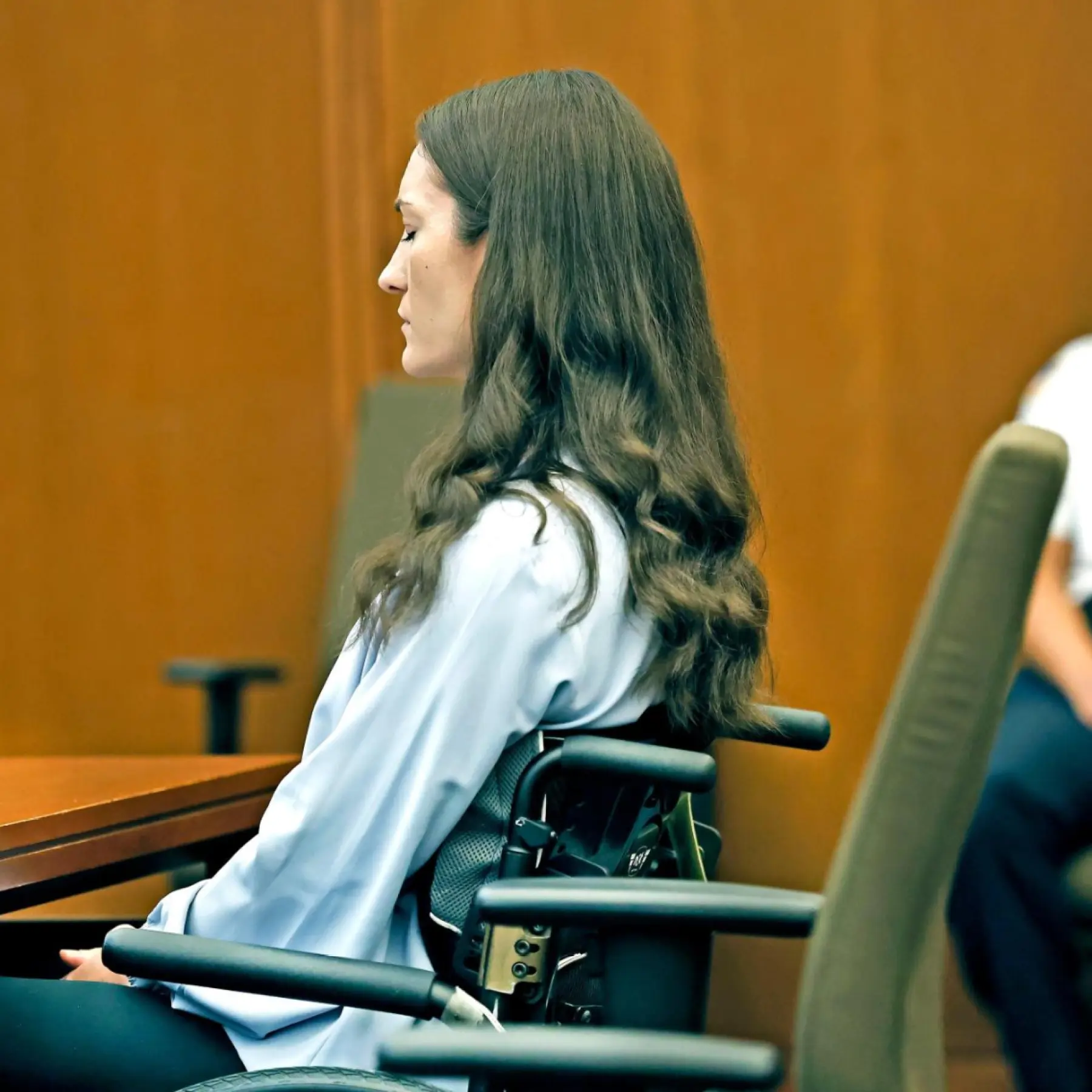
One of the most important developments came when Dr. Jennifer Tufts, the psychiatrist who treated Clancy before the killings, took the stand. Tufts treated Clancy from September 2022 until shortly before the tragedy. Her testimony has become particularly important because the defense argues that Clancy’s medical treatment failed to recognize the seriousness of her condition.
During questioning, Tufts acknowledged that she had not known that Clancy had called a suicide hotline twice. The revelation reportedly surprised the psychiatrist. At the time, Clancy had told Tufts that she felt hopeless but denied being suicidal when directly questioned.
The defense has used that testimony to challenge the adequacy of the psychiatric care Clancy received. Attorney Kevin Reddington questioned Tufts about the frequency and length of their appointments, including relatively brief telehealth sessions, the use of computerized medical documentation and the repeated adjustments to Clancy’s medications. The defense contends that these aspects of her treatment reflected a failure to recognize that her condition was becoming significantly more dangerous.
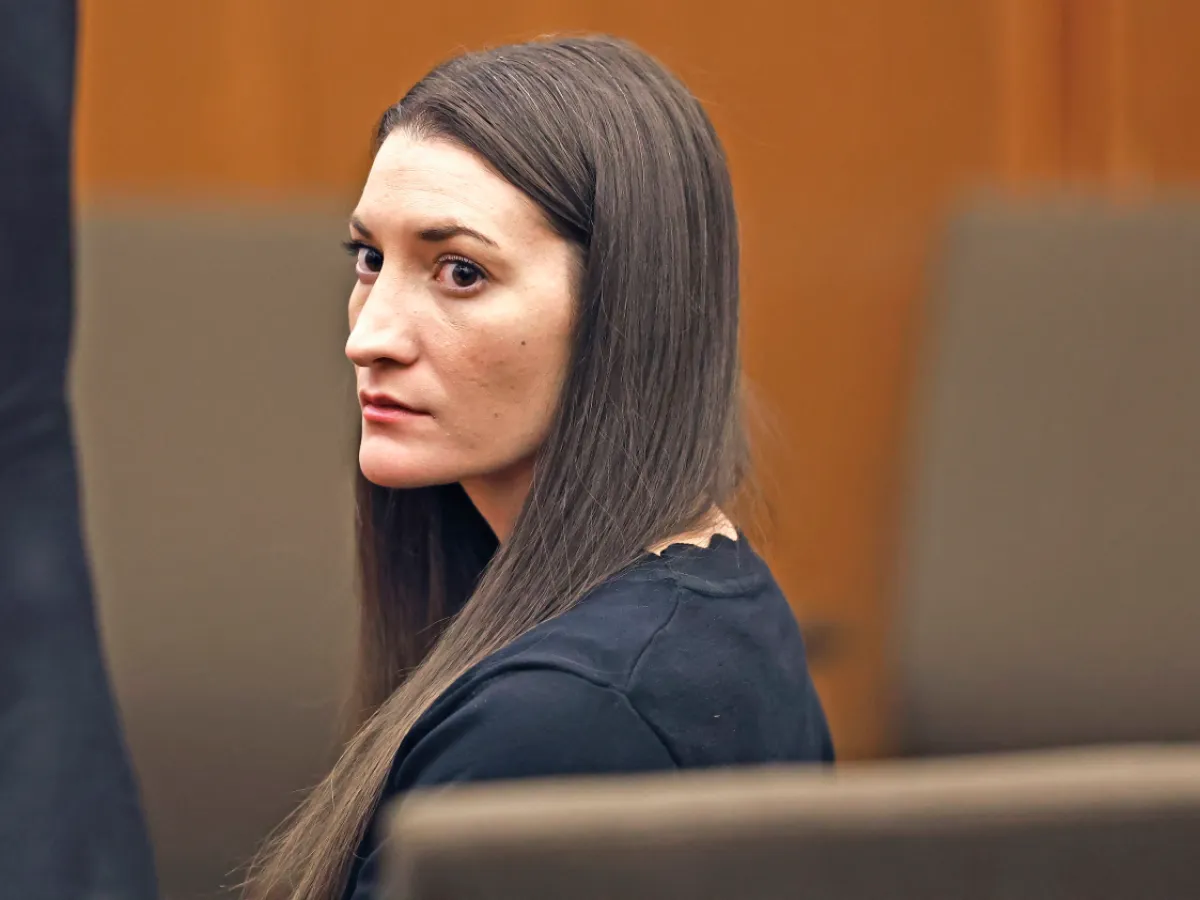
Tufts, however, did not diagnose Clancy with postpartum psychosis or bipolar disorder. Instead, she diagnosed her with anxiety and adjustment disorder. She also testified that Clancy did not report hearing voices or experiencing thoughts about harming her children during the period she was under her care.
That distinction is central to the prosecution’s case. Prosecutors can point to the absence of reported hallucinations or violent thoughts as evidence that Clancy’s condition did not appear to have reached the level of psychosis described by the defense. The defense argues that a patient does not necessarily reveal every disturbing thought or symptom to a doctor and that Clancy’s behavior outside clinical appointments showed a much more serious deterioration than her medical records captured.
The trial has also explored Clancy’s relationships with other healthcare providers. She received treatment from several professionals in the months after the birth of Callan, and evidence presented in court has described increasingly severe difficulties with anxiety, depression, insomnia and feelings of detachment.
Another healthcare worker, psychiatric nurse Julie Paul, testified about Clancy’s involvement in a perinatal behavioral health program. According to testimony reported from the trial, Clancy initially appeared relatively stable but later began experiencing worsening anxiety and disorientation. She reportedly described feeling extremely disconnected from herself and reality in the weeks before the killings.
Medication has become another major battleground in the courtroom.
The defense argues that Clancy was prescribed multiple psychiatric drugs during a period when her mental health was deteriorating. Her attorneys contend that some medications produced adverse effects and that the overall treatment approach may have contributed to a worsening psychiatric condition rather than stabilizing her.

Prosecutors have challenged that interpretation. Forensic toxicology testimony has addressed the levels of medication found in Clancy’s system, with experts discussing whether the amounts were consistent with therapeutic use or something more dangerous. The precise significance of those levels is being debated because medication concentrations alone cannot necessarily establish a person’s mental state at a particular moment.
Sleep deprivation has also emerged as a major issue. The defense has described periods in which Clancy reportedly went for extended stretches without meaningful sleep. Severe sleep loss can worsen psychiatric symptoms and, in certain circumstances, contribute to confusion, paranoia or other disturbances. The defense argues that prolonged insomnia was one of several factors pushing Clancy toward a mental health crisis.
The prosecution, however, maintains that these circumstances do not eliminate evidence of deliberate behavior.
Prosecutors have pointed to what they characterize as decisions Clancy made before the killings, including sending Patrick out of the house shortly before the children were attacked. They argue that this created an opportunity for her to be alone with the children and that the sequence of events is inconsistent with an uncontrolled psychotic episode.
The defense disputes that interpretation and says Clancy’s actions cannot be separated from the mental illness they believe was overwhelming her at the time.
The emotional nature of the testimony has been evident inside the courtroom. Clancy has at times become visibly upset while witnesses describe her children and her life as a mother. Earlier testimony from the family’s former nanny, Elaine Rossi, portrayed Clancy as a caring and devoted parent who showed no obvious signs that she might hurt her children.
Rossi worked with the family in 2022 and told jurors that she had never seen behavior that made her believe Clancy was dangerous. She recalled Clancy discussing postpartum difficulties and mental health treatment but said she nevertheless regarded her as a loving mother who cared deeply about her children.
That testimony is significant because it provides the defense with evidence that Clancy’s behavior before the killings was not uniformly alarming to the people around her. If she appeared loving, attentive and protective toward her children shortly before the tragedy, the defense can argue that the killings represented a dramatic psychiatric breakdown rather than a continuation of an established pattern of violent behavior.
The prosecution can use the same testimony in another way, however. If multiple people who knew Clancy did not observe obvious psychosis or violent behavior, prosecutors may argue that the sudden killings cannot simply be assumed to have resulted from an obvious and uncontrollable psychiatric condition.
The jury must ultimately decide the legal question rather than simply determine whether Clancy was mentally ill.
Postpartum depression and postpartum psychosis are real medical conditions, but the existence of a diagnosis does not automatically determine whether a defendant is legally responsible for a crime. The jury must consider whether Clancy’s mental condition at the specific time of the killings met the legal standard for lack of criminal responsibility under Massachusetts law.
Postpartum psychosis is rare but potentially severe. It can involve hallucinations, delusions, confusion and a loss of contact with reality. Medical experts have emphasized that it is a psychiatric emergency. The defense argues that Clancy experienced this type of condition and that her symptoms were intensified by medication problems and extreme sleep deprivation.
Prosecutors say there is insufficient evidence to establish that Clancy was psychotic when she killed her children. Their theory is that she knew what she was doing and that the sequence of events demonstrates purposeful conduct.
The disagreement between the two sides is therefore not about whether something went terribly wrong inside the Clancy home. Both sides agree that the children died and that Clancy was responsible for their deaths. The fundamental dispute is why she did it and whether she should be held criminally responsible.
The trial is also examining what happened immediately afterward. Patrick found Clancy seriously injured following the killings, and prosecutors have questioned whether her injuries represented a genuine suicide attempt or whether some aspects of the scene were intended to create the appearance of one. The defense rejects any suggestion that Clancy fabricated her suicide attempt.
That question could become important because the prosecution has argued that Clancy understood the consequences of what she had done and then attempted to escape responsibility through suicide. The defense says her attempt to end her own life is consistent with the devastating psychiatric crisis they believe had taken control of her behavior.
Adding another layer of complexity, Patrick and Lindsay have both become involved in civil litigation against medical providers who treated her. Those lawsuits allege that healthcare professionals failed to properly identify and treat her deteriorating psychiatric condition. The civil claims are separate from the criminal trial, but the underlying medical history overlaps substantially with the evidence being presented to the jury.
The criminal trial is expected to continue with additional medical and psychiatric testimony. Experts will likely offer competing interpretations of Clancy’s symptoms, medications, treatment history and behavior in the period leading up to January 24, 2023.
The judge has already rejected a defense request to allow women who personally experienced postpartum psychosis to testify about their own experiences. The ruling means that the defense will have to rely primarily on qualified experts and evidence concerning Clancy herself rather than testimony from other mothers describing their personal symptoms.
That decision reflects the court’s effort to keep the trial focused on the defendant’s actual mental state rather than allowing the proceedings to become a broader discussion of postpartum mental illness.
As the evidence continues, the diary entries, medical records, messages and testimony from people who knew Clancy are expected to remain important. Each piece of evidence may offer the jury another perspective on the months leading up to the tragedy.
The prosecution wants jurors to see a mother who made a deliberate decision to kill her children. The defense wants them to see a woman whose psychiatric condition had deteriorated to the point where she was no longer capable of rationally understanding what she was doing.
Those two narratives are now colliding in a courtroom as the jury attempts to reconstruct Clancy’s mental state more than three years after the deaths.
For the families involved, the trial is about far more than a legal argument. Three children—Cora, Dawson and Callan—lost their lives, and their deaths have left a permanent impact on everyone who knew them. Patrick Clancy has publicly expressed forgiveness toward Lindsay while continuing to grieve the loss of his children. The defense has emphasized Lindsay’s history as a mother who was once deeply devoted to her family, while prosecutors have focused on the final decisions that led to the children’s deaths.
The case is likely to remain one of the most closely watched criminal trials in Massachusetts as the psychiatric evidence becomes increasingly central.
If Clancy is convicted of first-degree murder, she faces life in prison without the possibility of parole. If the jury finds her not criminally responsible because of mental illness, she would not simply walk free. Instead, she would be committed to a secure psychiatric facility and could remain there under court supervision.
For now, the jury has not reached a verdict.
The testimony from Dr. Tufts and other medical professionals is likely to become increasingly important as both sides attempt to explain the same disturbing history in completely different ways. The defense argues that the warning signs were there but were missed, while prosecutors maintain that the evidence does not support the level of psychosis necessary to excuse criminal responsibility.
The central question remains painfully simple but legally complicated: what was happening inside Lindsay Clancy’s mind when she killed her children?
That question—not whether the children died, and not whether Clancy caused their deaths—will ultimately determine the outcome of this extraordinary trial.
Sources: https://www.dailymail.com