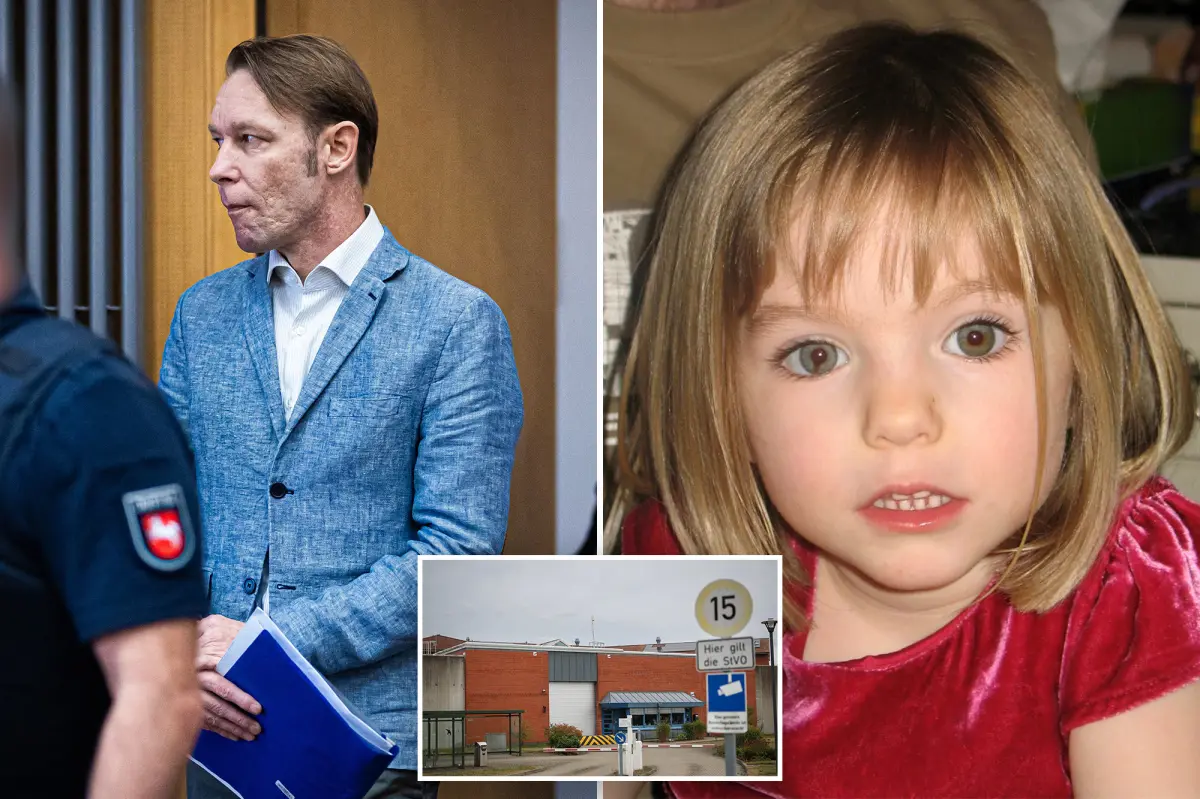
The investigation into the disappearance of Madeleine McCann has entered another potentially significant phase after German authorities reportedly handed a new dossier of evidence and information to Scotland Yard, giving British investigators an opportunity to examine material that could shed further light on the long-running inquiry into what happened to the British girl who vanished from Praia da Luz, Portugal, in 2007.
Madeleine was only three years old when she disappeared from her family’s holiday apartment on the evening of May 3, 2007. Nearly two decades later, she has still not been found, and no one has been charged with her disappearance. The case remains one of the world’s most closely followed missing-child investigations, with British, German and Portuguese authorities continuing to pursue separate but interconnected lines of inquiry.
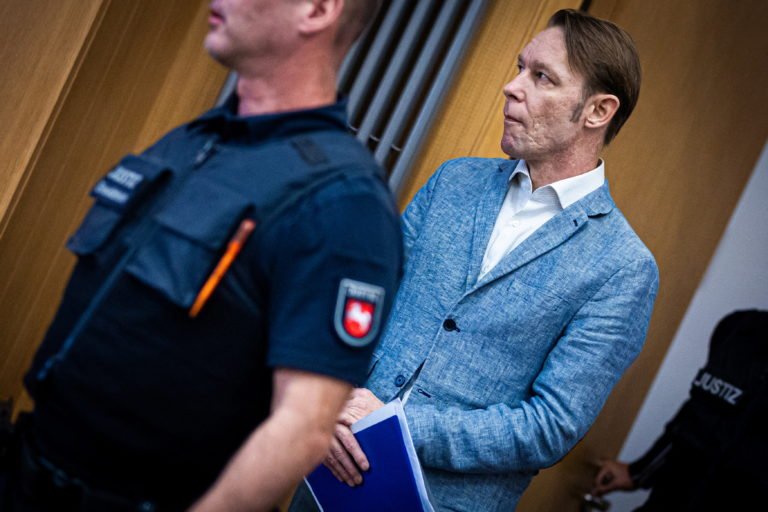
The latest development centers on a dossier reportedly prepared by German investigators and transferred to the Metropolitan Police, which operates Operation Grange, the British investigation established specifically to examine Madeleine’s disappearance. According to reports cited by Portuguese and British media, the material focuses heavily on German national Christian Brueckner, the man German authorities identified in 2020 as their main suspect in the case.
The dossier is understood to contain photographs, digital material and other information gathered during the German investigation into Brueckner. Reports have described the material as potentially important to investigators, although the precise contents have not been officially disclosed in full. That distinction is crucial because the existence of a new dossier does not mean British authorities have established that Brueckner abducted or killed Madeleine.
Brueckner has never been charged with any offense relating to Madeleine’s disappearance and has consistently denied involvement. German prosecutors have previously said they believe Madeleine is dead and have investigated Brueckner in connection with her disappearance, but a definitive forensic link establishing his responsibility has not been publicly presented.
The latest transfer of information could nevertheless be important because the British investigation operates under a different legal system from the German inquiry. Scotland Yard must assess whether the available evidence could support further investigative action in Britain and whether there is a viable evidentiary basis for any future prosecution.
The development comes after years of investigation into Brueckner’s activities in Portugal. He lived in the Algarve around the period when Madeleine disappeared and had a number of connections to the Praia da Luz area. Investigators have examined his movements, telecommunications records, vehicles, digital material and associations in an effort to determine whether he could have been involved in the girl’s disappearance.
One of the most significant elements of the German investigation has been digital evidence reportedly recovered during searches connected to Brueckner. German authorities have examined electronic devices and storage media for photographs, communications and other information that could potentially establish his activities around the time Madeleine vanished.
British investigators are now reportedly examining some of that material themselves.
The significance of the dossier, however, will depend on what investigators can independently establish from it. Photographs or conversations may raise questions or provide investigative leads, but they do not necessarily prove that a crime occurred in the manner suspected or establish who was responsible. Investigators must ultimately connect evidence to a specific event, location and individual before it can become sufficient for a criminal prosecution.
That is particularly important in the Madeleine McCann case because the investigation has previously generated an enormous amount of information, including witness statements, alleged sightings, forensic evidence, intelligence reports and competing theories. Many of those leads ultimately proved unreliable or could not be corroborated.
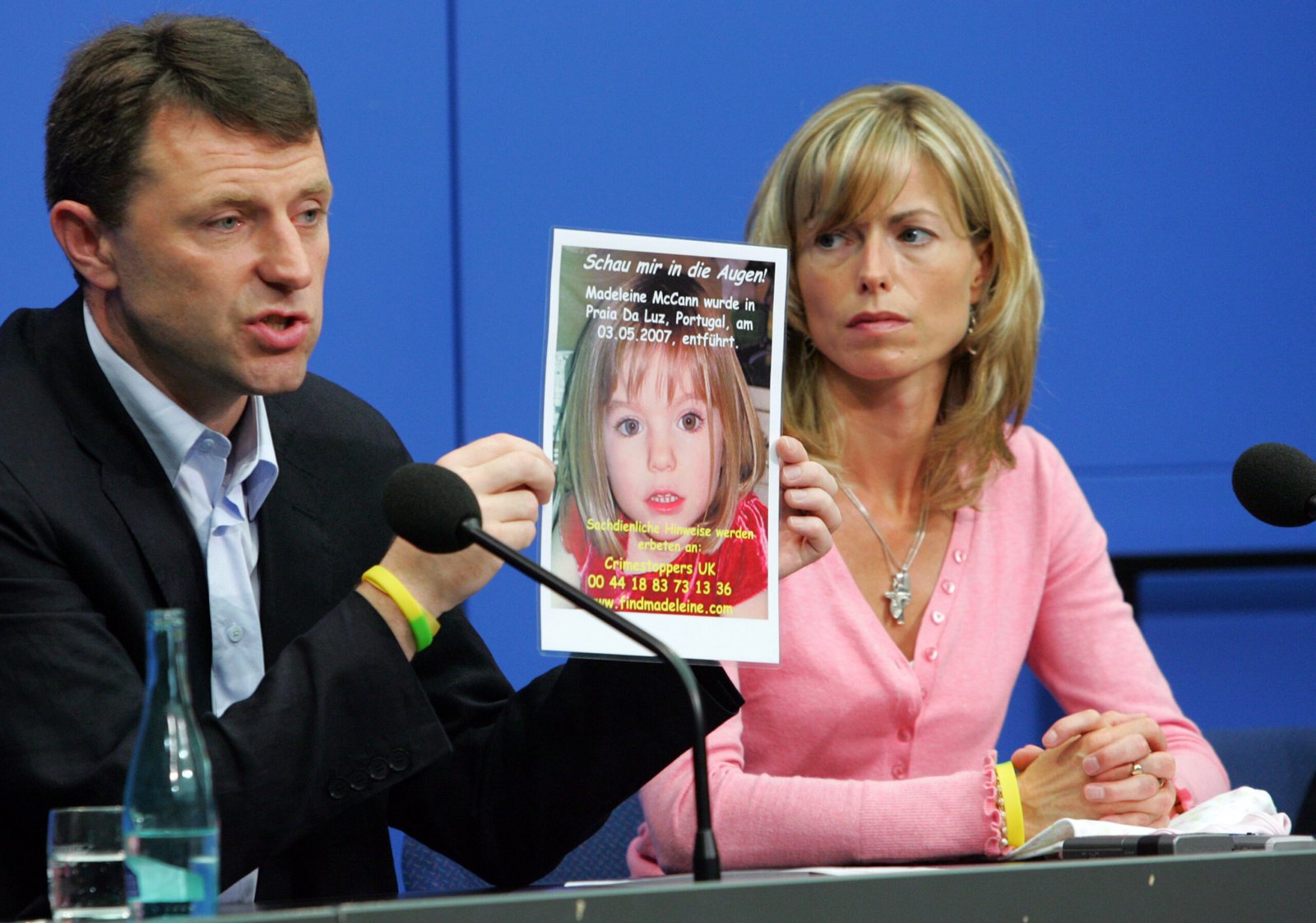
Madeleine disappeared while her parents, Kate and Gerry McCann, were staying at the Ocean Club resort in Praia da Luz with their three children. On the evening of May 3, Madeleine and her younger twin siblings were sleeping in the apartment while their parents dined at a nearby restaurant with friends. Shortly after 10 p.m., Madeleine was discovered missing.
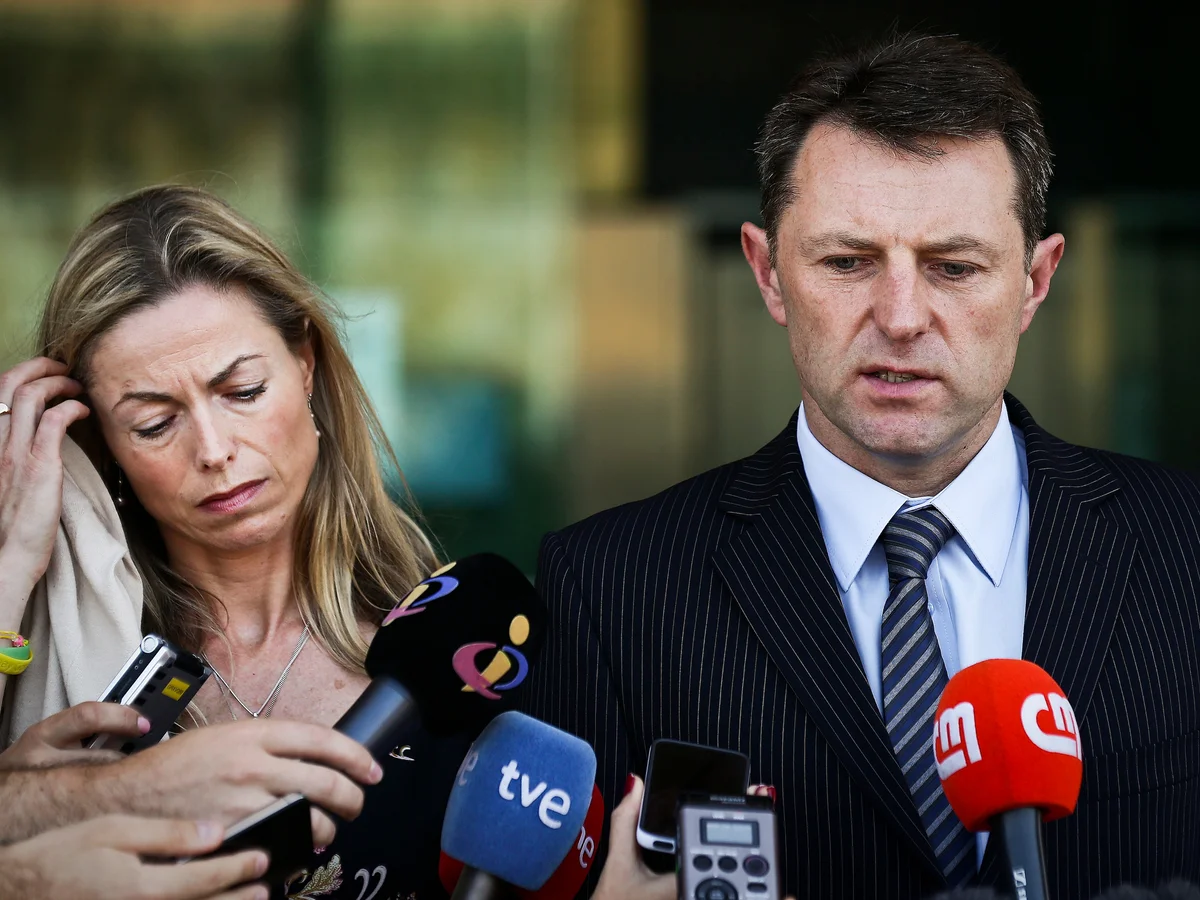
Her disappearance triggered an international search and an enormous police investigation involving Portuguese authorities, British detectives and investigators from several other countries.
The Portuguese investigation initially focused heavily on the possibility that Madeleine had died in the apartment and that her disappearance had subsequently been staged. Kate and Gerry McCann were formally named suspects in 2007, but that status was later lifted when Portuguese prosecutors archived the investigation in 2008. No charges were brought against either parent in relation to Madeleine’s disappearance.
The British investigation took a different direction several years later.
In 2011, the Metropolitan Police launched Operation Grange after reviewing the existing evidence and identifying additional lines of inquiry. British investigators eventually developed information that helped draw attention toward Brueckner, whose presence and activities in the Algarve had previously been known to German authorities.
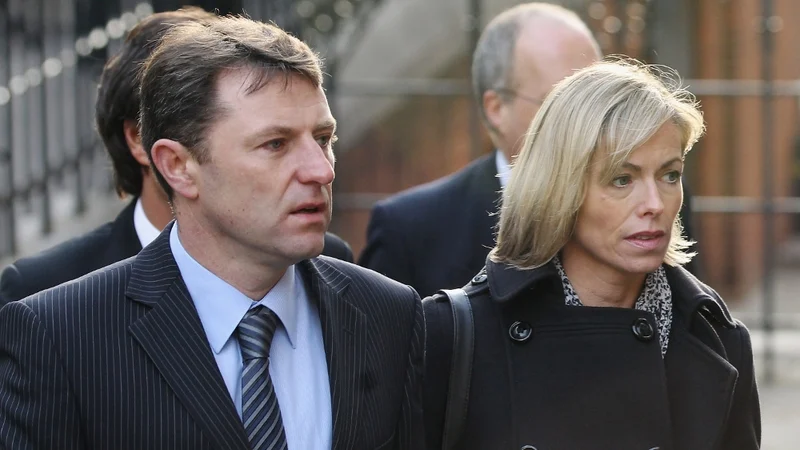
In 2020, German prosecutors publicly identified Brueckner as a suspect and announced that they were investigating the case as a murder. Authorities said they believed Madeleine was dead, although they did not publicly reveal the specific evidence that led them to that conclusion.
Brueckner was already serving a prison sentence in Germany for an unrelated rape committed in Portugal. His criminal history and previous presence in the Algarve made him a particularly important figure in the renewed investigation, but his status as a suspect in the McCann case has never resulted in a criminal charge connected to Madeleine.
In 2022, Portuguese prosecutors formally designated Brueckner a suspect, or arguido, in the investigation. That step allowed Portuguese authorities to formally pursue him within their legal framework, but it did not amount to a finding of guilt.
The case has remained stalled publicly since then.
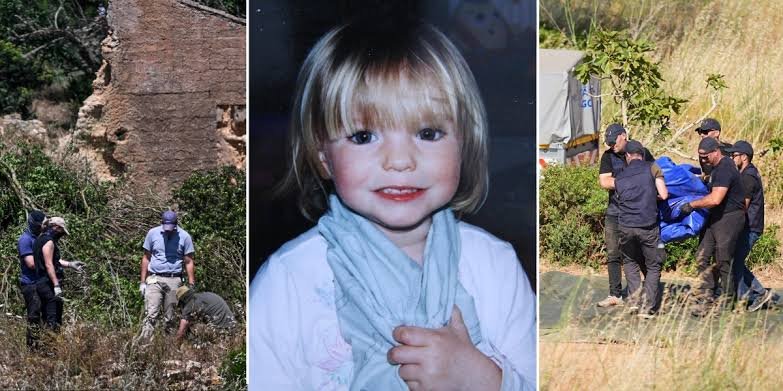
German prosecutors have continued investigating, while British detectives have maintained Operation Grange. Portuguese authorities have also remained involved. Searches in Portugal have taken place at locations connected to Brueckner, including areas around the Algarve, but none has produced Madeleine’s remains or publicly disclosed evidence conclusively establishing what happened to her.
The new dossier therefore arrives at a particularly important moment.
Brueckner was released from prison in Germany in 2025 after completing a sentence for the unrelated rape of an elderly woman in Portugal. Since his release, his movements have continued to attract considerable media and police attention because of his status as the principal suspect in the Madeleine investigation.
Recent reports have described him living in northern Germany and being subjected to monitoring measures. He continues to deny any involvement in Madeleine’s disappearance.
His situation has also generated new controversy this year after an altercation with German police in Kiel. Reports said the incident occurred after officers confronted Brueckner after he was seen photographing police personnel. His lawyer criticized the authorities’ handling of the incident, while police described physical resistance during the encounter. The incident is separate from the investigation into Madeleine’s disappearance and does not constitute evidence connecting Brueckner to the 2007 case.
The continued scrutiny of Brueckner demonstrates how heavily the investigation remains centered on him, even though the evidentiary picture has never reached the point of a criminal charge.
For the McCann family, the passage of time has made the search increasingly painful. Kate and Gerry have continued to maintain that they believe Madeleine could still be alive, despite German prosecutors’ position that she died.
The family has also continued supporting the Find Madeleine campaign, which has kept public attention focused on the disappearance and encouraged anyone with information to come forward.
One of the most difficult aspects of the investigation has been the sheer volume of information surrounding the case. Over the years, thousands of alleged sightings have been reported in different countries. Some were investigated extensively, while others were quickly dismissed. The enormous international publicity surrounding Madeleine’s disappearance has also created opportunities for misinformation and false claims to spread.
That makes the new German dossier particularly important if it contains evidence that can be independently verified.
Investigators will need to determine whether the material provides something genuinely new or simply adds another layer to information that has already been examined. They will also have to establish whether any evidence places Brueckner directly in circumstances connected to Madeleine’s disappearance.
The most important question remains unchanged: what happened to Madeleine after she disappeared from the apartment?
If the new evidence can establish a reliable timeline of Brueckner’s movements around May 3, 2007, it could potentially become a major investigative breakthrough. If investigators can connect digital records, photographs, witness accounts or other material to a specific location or event, the dossier could help narrow the enormous number of possibilities that have surrounded the case for almost 20 years.
But investigators face a very high evidentiary threshold.
Suspicion, disturbing past behavior or proximity to the crime scene are not enough to establish criminal responsibility. A prosecution would require evidence capable of demonstrating beyond a reasonable doubt that a specific person committed a specific offense.
That is why the current development should be viewed as a new investigative opportunity rather than a solved case.
There is also no public confirmation that the dossier contains a single piece of evidence capable of conclusively proving what happened to Madeleine. Reports about the contents have used dramatic descriptions, but British authorities have not publicly released the full material or announced that they have reached a new conclusion about Brueckner’s responsibility.
Scotland Yard’s role at this stage is therefore particularly significant. British detectives can now independently assess the German material and determine whether it strengthens the existing investigation, opens new lines of inquiry or provides evidence that could potentially support future legal proceedings.
The transfer also demonstrates that cooperation between the three countries remains central to the case. Madeleine disappeared in Portugal, the principal suspect is German, and the investigation has been led in part by British detectives. Any successful prosecution would therefore require complex international cooperation and careful coordination between different legal systems.
Nearly 20 years after Madeleine disappeared, the investigation remains open.
There is still no confirmed location for her remains. There is still no person charged with her disappearance. And there is still no publicly established account of exactly what happened on the night of May 3, 2007.
But the arrival of a new dossier in London gives investigators another opportunity to revisit one of the most enduring mysteries in modern British criminal history.
For the McCann family, every new investigation brings the possibility of answers but also the risk of renewed disappointment. For detectives, the task is to separate evidence from speculation and determine whether information gathered over many years can finally be assembled into a provable sequence of events.
The latest development does not provide that answer yet.
What it does show is that the investigation has not disappeared with the passing of time. British, German and Portuguese authorities continue to examine the evidence, while Scotland Yard now has additional material from German investigators to assess.
After nearly two decades, the central mystery remains unsolved. Whether this latest dossier becomes another investigative lead or the beginning of a genuine breakthrough will depend on what investigators find when they examine the evidence for themselves.
For now, Madeleine McCann remains missing — and the search for the truth continues.
Sources: https://www.portugalresident.com