
Months before Lindsay Clancy was accused of killing her three young children inside the family’s Duxbury, Massachusetts, home, she was already documenting a growing sense of exhaustion, anxiety and desperation as she struggled to manage motherhood, work and her deteriorating mental health. Newly revealed details from her personal writings and testimony presented during her ongoing murder trial are providing jurors with a deeper look into the difficult period that preceded the January 2023 tragedy.
The evidence has become central to a trial in which there is little dispute that Clancy was responsible for the deaths of her children. The major question before the jury is why she committed the killings and, more specifically, whether a severe mental illness prevented her from understanding the nature or wrongfulness of what she was doing. The defense argues that Clancy was suffering from postpartum psychosis and that her psychiatric condition was made worse by sleep deprivation and the medications she was prescribed. Prosecutors, meanwhile, argue that the evidence points toward deliberate actions and that Clancy remained capable of understanding what she was doing.
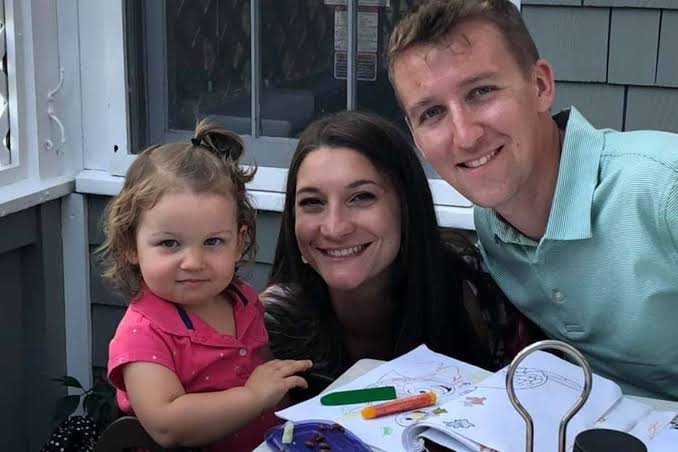
Among the evidence presented in court are writings in which Clancy described feeling overwhelmed by the responsibilities surrounding her family. According to reporting on the trial, she expressed frustration about being responsible for taking care of everyone and wrote about wanting a mental break from the relentless demands placed upon her. These entries have given jurors a glimpse into the emotional strain she said she was experiencing before the deaths of her children.
The writings are significant because they predate the killings by months and provide a contemporaneous account of how Clancy perceived her own mental and physical condition. They also fit with other testimony describing a woman who was increasingly struggling with sleep, anxiety and the demands of caring for three children while maintaining her professional responsibilities as a labor and delivery nurse.
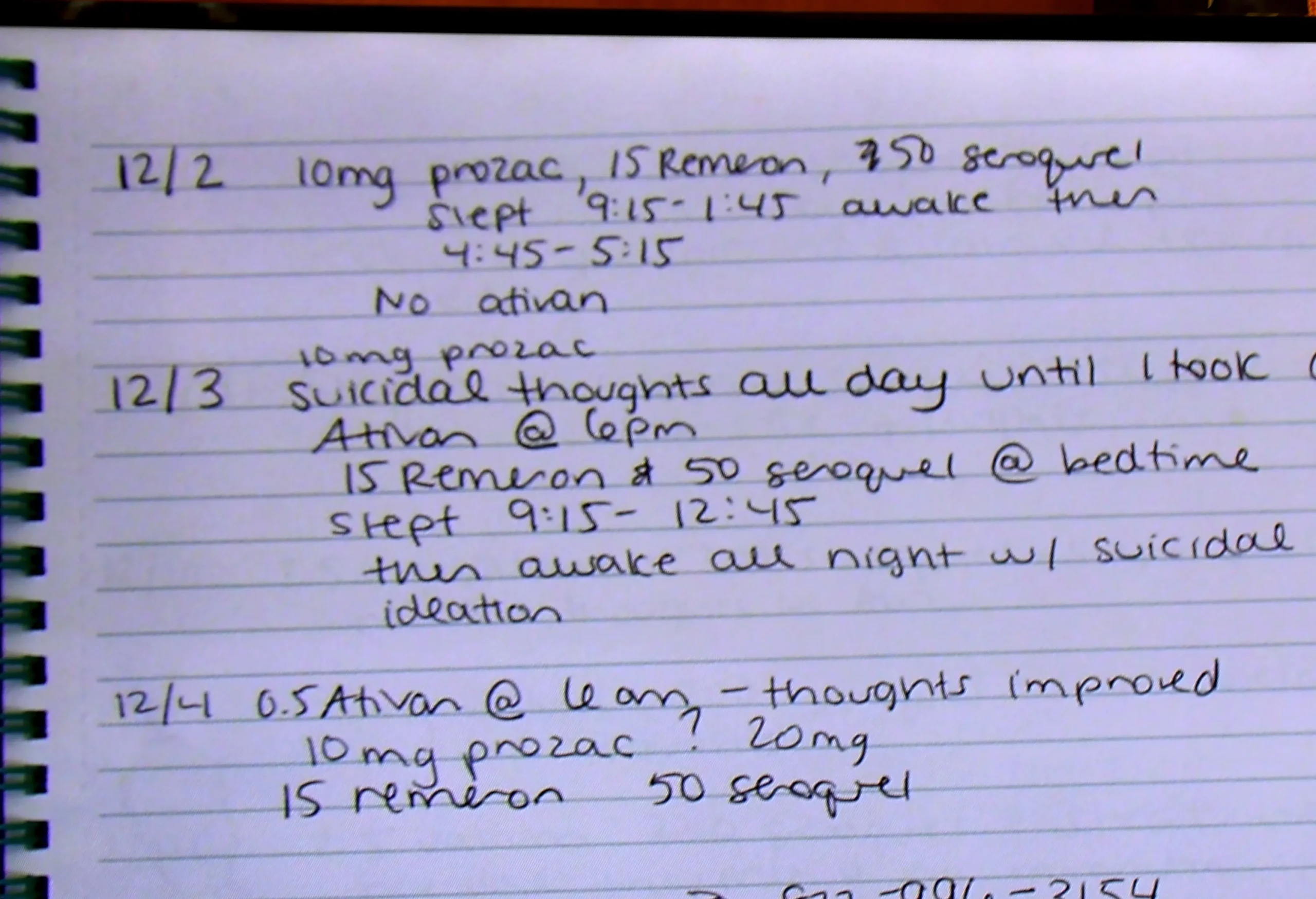
Clancy’s youngest child, Callan, was born in May 2022. By the months that followed, according to testimony and evidence presented at trial, Clancy was experiencing serious difficulties with sleep and mental health. Her personal writings described worries about her baby’s sleep and the pressure she felt as she attempted to manage the needs of her children. In some entries, she appeared preoccupied with whether she was doing enough as a mother and whether her decisions were harming her children.
Those concerns became increasingly intense as she tried to cope with life after childbirth. Her case has since become one of the most closely followed examples in the United States of a criminal trial involving allegations of postpartum psychosis.
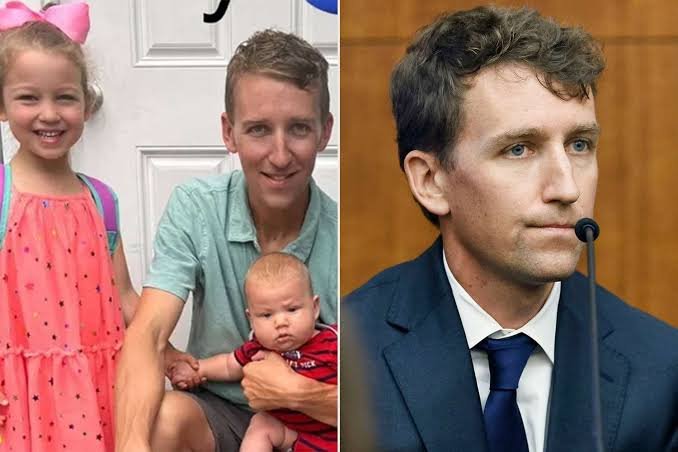
The defense has argued that Clancy’s mental deterioration was not simply ordinary stress associated with raising young children. Her attorneys contend that she developed a severe psychiatric disorder that ultimately caused her to lose touch with reality. They have pointed to her medical history, repeated treatment, extreme insomnia and the number of psychiatric medications she received during the months before January 24, 2023.
According to evidence presented in court, Clancy had been prescribed numerous psychiatric medications by multiple providers during the four months preceding the killings. The defense has argued that the combination of medications, sleep deprivation and an underlying psychiatric condition may have contributed to a profound deterioration in her mental state.

The prosecution has presented a different interpretation. Prosecutors have questioned whether the evidence demonstrates genuine psychosis at the time of the killings and have pointed to testimony from medical professionals who interacted with Clancy before and after the tragedy. Some of those doctors testified that they did not observe signs of psychosis during their evaluations.
The disagreement between the two sides has become one of the defining issues of the trial.
Clancy’s former nanny, Elaine Rossi, provided another important perspective when she testified about her experiences with the family. Rossi worked for the Clancys in 2022 and told jurors that she never saw anything that made her believe Lindsay was dangerous to her children. Instead, Rossi described her as a loving and attentive mother.

The nanny said Clancy had told her about postpartum difficulties and problems with her mental health. She also recalled seeing medication in the home and learning that Clancy was considering stopping breastfeeding so she could begin a new medication. Despite knowing that Clancy was struggling, Rossi said she did not interpret her behavior as a warning that she might harm herself or her children.
That testimony is important because it demonstrates how dramatically different Clancy’s internal experience may have been from how she appeared to people around her. Someone could recognize that she was struggling without necessarily believing that she was experiencing a psychiatric crisis capable of becoming dangerous.
The court has also heard evidence about the severity of Clancy’s sleep problems. Her writings and other records have described nights in which she struggled to get her infant to sleep and periods in which she experienced significant anxiety. Sleep deprivation has been repeatedly discussed in the trial because the defense argues that prolonged lack of sleep contributed to the deterioration of Clancy’s mental state.
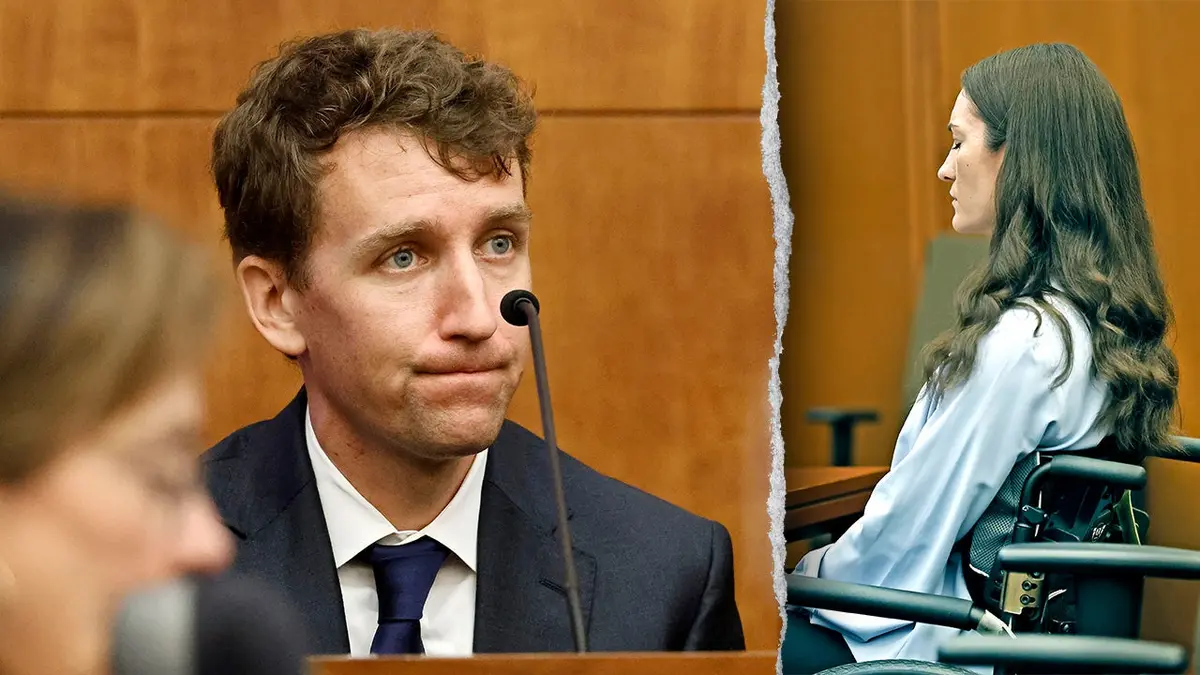
At the same time, prosecutors have emphasized that Clancy was able to communicate with other people, make plans and interact with medical professionals. Their argument is that these behaviors are inconsistent with the degree of psychosis claimed by the defense.
One particularly important development came from psychiatric testimony during the second week of the trial. Dr. Sejal Shah, who evaluated Clancy after the killings, testified that Clancy was calm and cooperative during some of her hospital assessments. According to testimony reported from the courtroom, Clancy denied having suicidal or homicidal intentions during one evaluation and denied experiencing hallucinations or delusions at that time. Her thought process was described as organized and goal-directed.
The defense, however, has challenged the significance of those observations. A person experiencing psychosis can sometimes communicate coherently or make plans, and the absence of obvious psychotic symptoms during a particular medical examination does not necessarily establish what that person’s mental state was at an earlier moment. The defense has therefore focused heavily on the period immediately surrounding January 24, 2023, rather than relying solely on later hospital observations.
The trial has also revealed that Clancy was admitted to McLean Hospital in early January 2023, less than three weeks before the killings, after reporting suicidal thoughts. She was released several days later. According to evidence now being discussed in court, she wanted to return home in time for her daughter’s birthday.
That hospitalization has become another major point of disagreement between prosecutors and defense attorneys. For the defense, it demonstrates that Clancy’s mental health had deteriorated to a level requiring inpatient treatment shortly before the deaths. For prosecutors, the circumstances surrounding the admission and her subsequent behavior are part of the broader evidence they say shows she remained capable of making deliberate decisions.
The events of January 24, 2023, remain the central focus of the case. That evening, Clancy’s husband, Patrick, left the family home to obtain food and medication. During the period he was away, prosecutors say Clancy killed their three children: five-year-old Cora, three-year-old Dawson and eight-month-old Callan.
Afterward, Clancy attempted to take her own life by jumping from a window. She survived but suffered catastrophic spinal injuries that left her permanently paralyzed.
The tragedy shocked the Duxbury community and quickly became a national story. Patrick Clancy has publicly spoken about the devastation caused by the deaths while also asking people to understand that mental illness may have played a major role in what happened. His position has added another emotional dimension to a case already dominated by questions about postpartum psychiatric disorders.
The defense’s central argument is not that the children died accidentally. Rather, attorneys are seeking to persuade the jury that Clancy was legally insane when she killed them. Their case depends heavily on psychiatric evidence and the argument that she was experiencing postpartum psychosis severe enough to prevent her from understanding the wrongfulness of her actions.
Prosecutors have rejected that characterization. They have argued that Clancy’s conduct before and after the killings demonstrates awareness and planning. Their evidence has included testimony about her communications, medical treatment and actions surrounding the deaths.
The jury must ultimately decide between these competing interpretations of the evidence.
The personal writings revealed during the trial are unlikely to answer that question by themselves. They do, however, provide an unusually intimate account of the pressure Clancy said she was experiencing before the tragedy. Her descriptions of exhaustion, anxiety, motherhood and wanting time away from the responsibility of caring for everyone illustrate how overwhelmed she believed she had become.
But feeling overwhelmed does not, by itself, establish postpartum psychosis or legal insanity. That distinction is important as the trial continues. Many parents experience exhaustion, anxiety and feelings of being unable to cope without becoming psychotic or dangerous. The defense’s task is therefore much narrower and more difficult: to establish that Clancy’s mental condition reached a level that legally excused her conduct at the time of the killings.
The prosecution, meanwhile, must convince the jury that despite whatever mental health problems Clancy experienced, she understood what she was doing and understood that it was wrong.
As testimony continues, jurors are hearing evidence from people who knew Clancy personally, medical professionals who treated her, forensic specialists and experts examining her psychological state. Each piece of evidence is being considered against the timeline leading up to January 24, 2023.
The trial has consequently become more than an examination of a single night. It is also an examination of the months that preceded it: the sleepless nights, repeated medical appointments, changing medications, concerns about motherhood, suicidal thoughts, hospitalization and the increasingly severe distress documented in Clancy’s own words.
Those details do not provide a simple explanation for the deaths of Cora, Dawson and Callan. Instead, they show the complicated circumstances that the jury must consider as it determines whether Lindsay Clancy should be held criminally responsible for the killings.
For the families involved, however, the legal question is inseparable from an irreversible human tragedy. Three children died, a family was permanently shattered, and Clancy herself survived with life-changing injuries. The trial now seeks to determine how the law should understand the actions of a mother whose defense says she was experiencing a catastrophic psychiatric breakdown.
As the proceedings continue, the evidence from Clancy’s writings, her medical history and the testimony of people who knew her before the killings will remain central to that question. The jury will ultimately have to decide whether those records reveal a woman who was struggling but remained responsible for her actions, or someone whose mental illness had become so severe that she could no longer understand the reality or wrongfulness of what she was doing.
Until the jury reaches a verdict, neither side’s interpretation should be treated as the final answer. The evidence is still being presented, witnesses are still testifying, and the court has not yet reached a conclusion on Clancy’s criminal responsibility.
Sources: https://nypost.com