The investigation into the death of 18-year-old Nolan Xavier Wells has taken another troubling turn after three people in different parts of the country were arrested or charged in connection with alleged threats directed at individuals involved in the case. The federal cases have added a new layer of tension to an already highly scrutinized investigation, even as authorities continue to work to determine exactly how Wells died.
The three defendants are not accused of killing Wells, and authorities have not announced criminal charges against anyone in connection with the teenager’s death. Instead, the federal allegations involve threatening communications directed at people connected to the investigation, including a judge, a witness and government officials.
The latest development centers on Edward James Porter, a 40-year-old man from Berwyn, Illinois. Federal authorities allege that Porter transmitted threatening communications across state lines against two witnesses involved in the ongoing investigation into Wells’ death. According to the federal complaint, investigators say Porter made threatening telephone calls and sent messages to one of the witnesses, allegedly threatening to kill the person and members of the person’s family. Investigators further allege that Porter sent the witness a home address, apparently to demonstrate that he knew where the person lived.
Authorities also accuse Porter of contacting another witness and making additional violent threats. According to the complaint, the alleged threats included killing the person, dismembering the body and placing the remains in a suitcase. Investigators say telecommunications records were used to trace the communications and identify the phone number and internet connection associated with the alleged threats.
Porter’s arrest is the latest in a series of federal cases stemming from the increasingly intense public reaction to Wells’ death. His case is separate from the investigation into what happened to the teenager on Horn Island, but the allegations demonstrate just how volatile the situation surrounding the investigation has become.
Two other people have also been charged in separate federal cases involving alleged threats.
Joseph Alfredo Vasquez Dumarce, a 27-year-old California resident, was arrested after authorities accused him of making a threatening communication against Judge Ashlee Cole. Cole is connected to the Wells investigation because her stepson, Warren Hudson, was among the young men who were with Wells during the July Fourth trip to Horn Island. According to authorities, the alleged threat against the judge was serious enough to prompt a law-enforcement response.
A third defendant, Michelle Francine Edwards of Ohio, is accused of making threatening calls involving government offices in Mississippi. Authorities allege that Edwards made numerous calls containing bomb threats directed toward public officials or government facilities connected to the broader investigation.
The three cases have several important things in common. According to authorities and court records cited in news reports, the defendants do not appear to have personal relationships with Wells, his parents or the group of young people who accompanied him to Horn Island. They also do not appear to be participants in the official investigation. Instead, the allegations appear to have emerged from the enormous amount of public speculation surrounding the case.
That distinction is critical.
The federal arrests do not mean investigators have identified the person responsible for Wells’ death. They do not establish that Wells was murdered, and they do not provide an explanation for how he died. Rather, they involve alleged threats made by people who appear to have become involved in the case from outside the immediate circle of Wells, his family and his friends.
The threats come at a time when the circumstances surrounding Wells’ death remain unresolved.
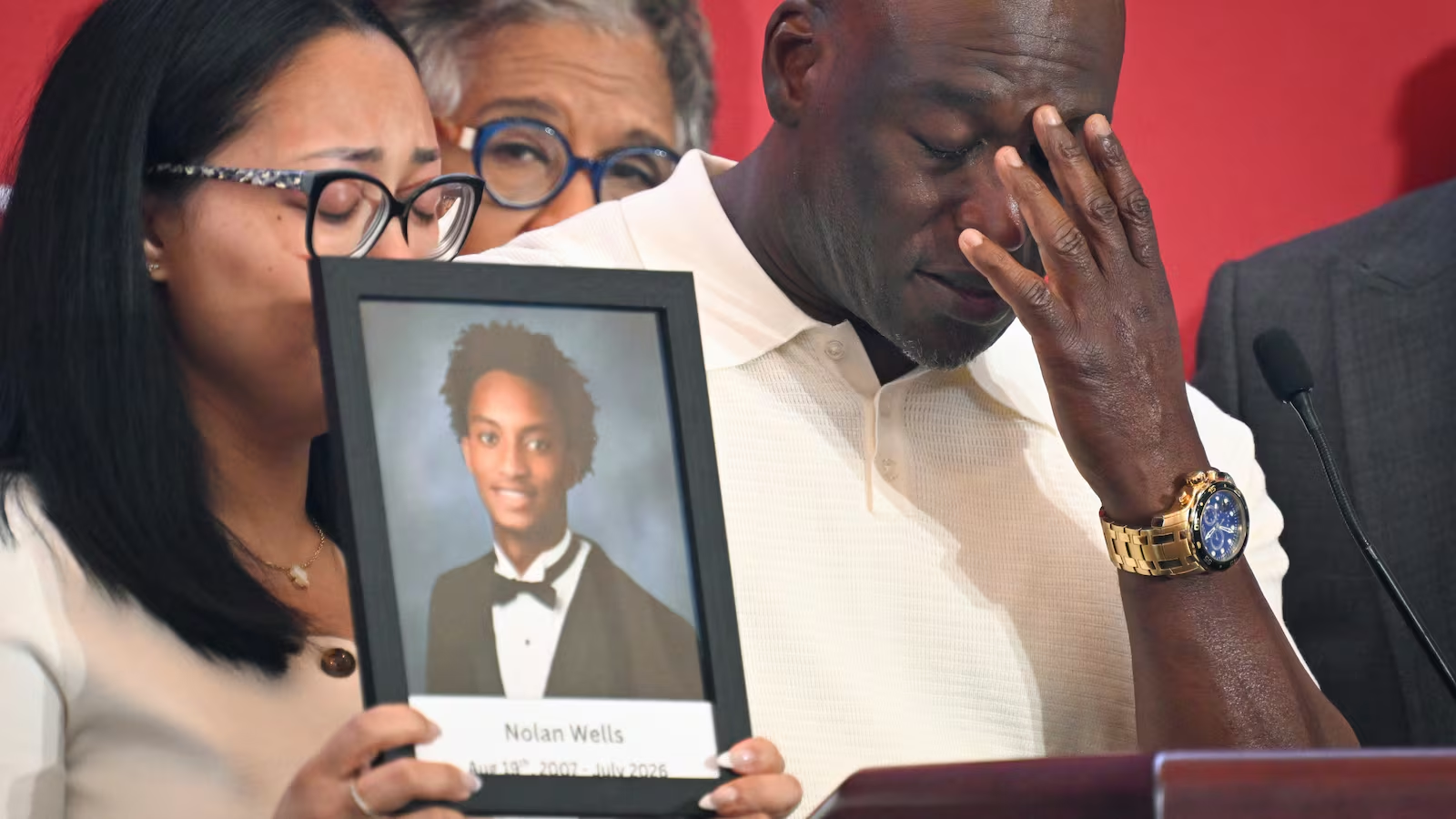
Wells, an 18-year-old college football player from Ocean Springs, Mississippi, disappeared during a Fourth of July trip to Horn Island, an undeveloped barrier island off the Mississippi Gulf Coast. He had traveled there with a group of friends for the holiday. According to authorities, the group eventually returned to the mainland without Wells, who remained on the island.
Two days later, his body was recovered from the water near Horn Island.
The initial investigation focused on the possibility that Wells had drowned. Local authorities said early in the case that they did not initially suspect foul play, while also emphasizing that investigators were working to determine exactly what had happened. The lack of a clear public explanation, combined with conflicting accounts and questions raised by Wells’ family, quickly transformed the case into a national story.
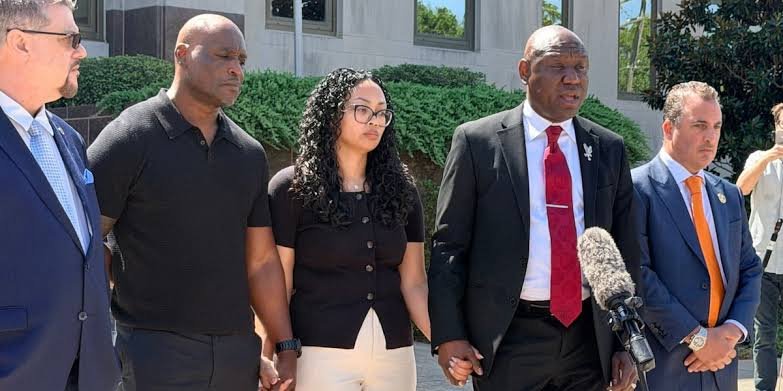
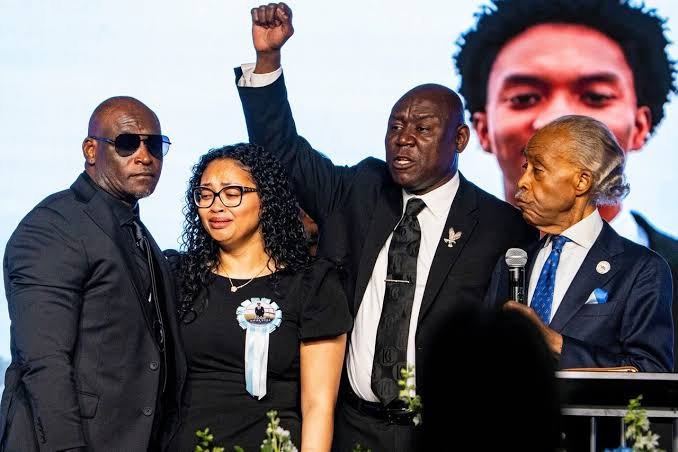
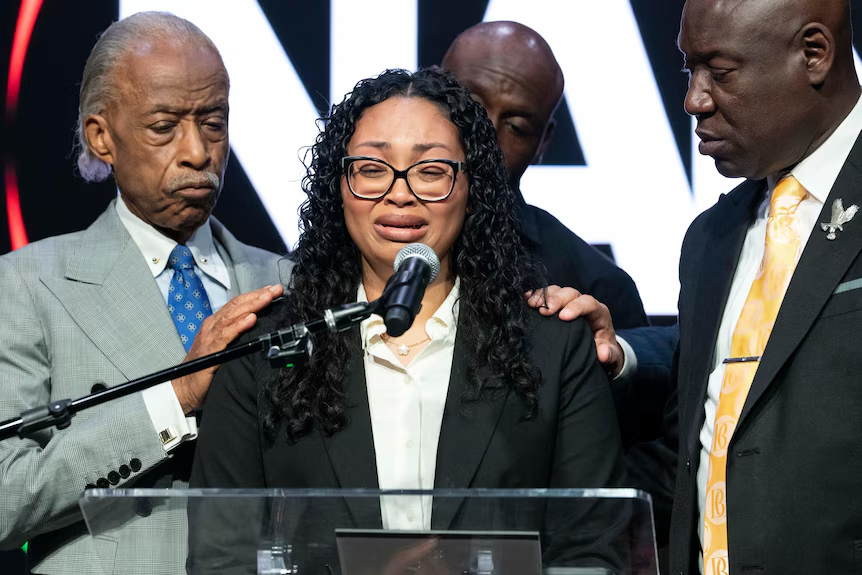
Wells’ parents have repeatedly called for a thorough and transparent investigation. Their attorney, civil rights lawyer Ben Crump, has questioned aspects of the official account and has sought additional evidence concerning the teenager’s final hours.
The family also arranged for an independent autopsy. The independent examination did not establish a definitive cause or manner of death, leaving the circumstances unresolved and ensuring that questions about the case would continue.
Meanwhile, authorities have completed the official autopsy process, but the results have not been publicly released. The findings are expected to play an important role in determining what happened and whether additional investigative steps are necessary. The case has also been presented for consideration by a grand jury, another indication that investigators and prosecutors continue to examine the evidence.
That uncertainty has fueled intense debate online.
Thousands of people have followed the case through social media, where photographs, videos, theories and alleged pieces of evidence have circulated widely. Some online discussions have focused on the young men who accompanied Wells to Horn Island, while others have questioned the initial statements made by law enforcement.

But officials and attorneys have repeatedly warned against treating speculation as established fact.
The danger of that environment became especially apparent when people began making threats against individuals associated with the investigation. The federal charges now filed against Porter, Dumarce and Edwards demonstrate how online anger and speculation can move beyond criticism and into alleged criminal conduct.
The threats have also raised concerns about the safety of witnesses and public officials involved in the case.
Judge Ashlee Cole has become a particular focus because of her connection to one of Wells’ friends. Her family has said that they have no role in determining the outcome of the investigation and that the judge’s involvement should not be interpreted as evidence of wrongdoing by anyone connected to Wells’ death.
The allegations against Porter are especially disturbing because they reportedly targeted witnesses directly. According to the federal complaint, one witness allegedly received threats against both the witness and family members, along with a message containing the person’s home address. Such allegations are being treated as serious federal offenses because threatening communications that cross state lines can fall under federal jurisdiction.
The cases also illustrate how investigators have been able to use digital and telecommunications records to trace alleged threats. Phone records, subscriber information and internet-related data can provide law enforcement with evidence linking communications to particular devices or accounts. In Porter’s case, investigators reportedly obtained records from the mobile carrier and used technical information to identify the source of the alleged communications.
For Wells’ family, however, the arrests are not the answer they have been waiting for.
Their central question remains what happened to Nolan.
The family has continued to seek information about the teenager’s final hours, including details surrounding the July Fourth gathering, his movements on Horn Island and the circumstances that preceded the discovery of his body. Attorneys have also sought access to digital evidence, including information from Wells’ cellphone, as they attempt to establish a more complete timeline.
The cellphone has been another source of controversy. Wells’ family previously raised concerns about messages and other material they believed may have been deleted before the phone was returned to them. Attorneys for the family agreed to work with the local district attorney’s office on a joint inspection of the device, with the goal of determining what information could be recovered and what it might reveal about Wells’ final communications and movements.
The investigation has also attracted national attention because Wells was Black and the friends who accompanied him were white. The racial dynamics of the case have contributed to heightened scrutiny and have intensified concerns about whether the investigation is receiving the level of transparency the family believes it deserves.
Those concerns have also been shaped by Mississippi’s history of racial violence and mistrust of institutions. Supporters of the Wells family have argued that the circumstances require an especially thorough investigation, while authorities have maintained that they are continuing to examine the available evidence.
The federal threat cases have now become a separate part of that broader story.
For investigators, prosecuting people accused of making threats serves an important purpose: witnesses and officials must be able to participate in an investigation without being intimidated or endangered. If witnesses fear retaliation, they may be less willing to cooperate, provide information or testify. Protecting them is therefore essential to preserving the integrity of the investigation.
At the same time, the arrests should not be interpreted as evidence that investigators have solved the mystery surrounding Wells’ death.
No one has been publicly charged with killing Nolan Wells.
No suspect has been officially identified in connection with his death.
And the cause and manner of death remain central unanswered questions.
Those facts are particularly important because the public discussion surrounding the case has sometimes moved faster than the available evidence. Photographs, videos and witness accounts circulating online may appear convincing, but individual pieces of information must be authenticated and placed within a verified timeline before investigators can determine their significance.
The authorities’ challenge is therefore twofold: determine what happened to Wells while simultaneously protecting the investigation from misinformation, threats and intimidation.
The three federal cases demonstrate the seriousness of the second problem.
The alleged threats have reportedly targeted people who are connected to the investigation but are not accused of causing Wells’ death. The defendants will have the opportunity to contest the allegations in court, and the charges remain accusations unless and until proven beyond a reasonable doubt.
For the Wells family, the hope is that the ongoing investigation will eventually provide a clear answer. Their independent efforts, the official autopsy, digital evidence reviews, witness interviews and the grand-jury process could all contribute to that goal.
The latest arrests may have added another dramatic chapter to the story, but they have not changed the central mystery.
Nolan Wells went to Horn Island during the Fourth of July holiday and did not return with his friends. His body was found two days later. His family has questioned whether the circumstances of his death have been fully explained, while authorities continue examining the evidence.
Now, as federal prosecutors pursue separate cases involving alleged threats against people connected to the investigation, the spotlight on Wells’ death has grown even brighter.
The hope among those closest to Wells is that the attention will ultimately produce evidence rather than more speculation.
For now, the investigation remains open.
The three people facing federal charges will have to answer for the alleged threats in court, while investigators in Mississippi continue their work to determine what happened to Nolan Wells.
Those are two separate legal questions.
One concerns the alleged threats made after Wells’ death.
The other — and the question that his family has been asking since July — is how an 18-year-old college athlete ended up dead after a holiday trip to Horn Island.
That question remains unanswered.
Sources: https://abc7chicago.com