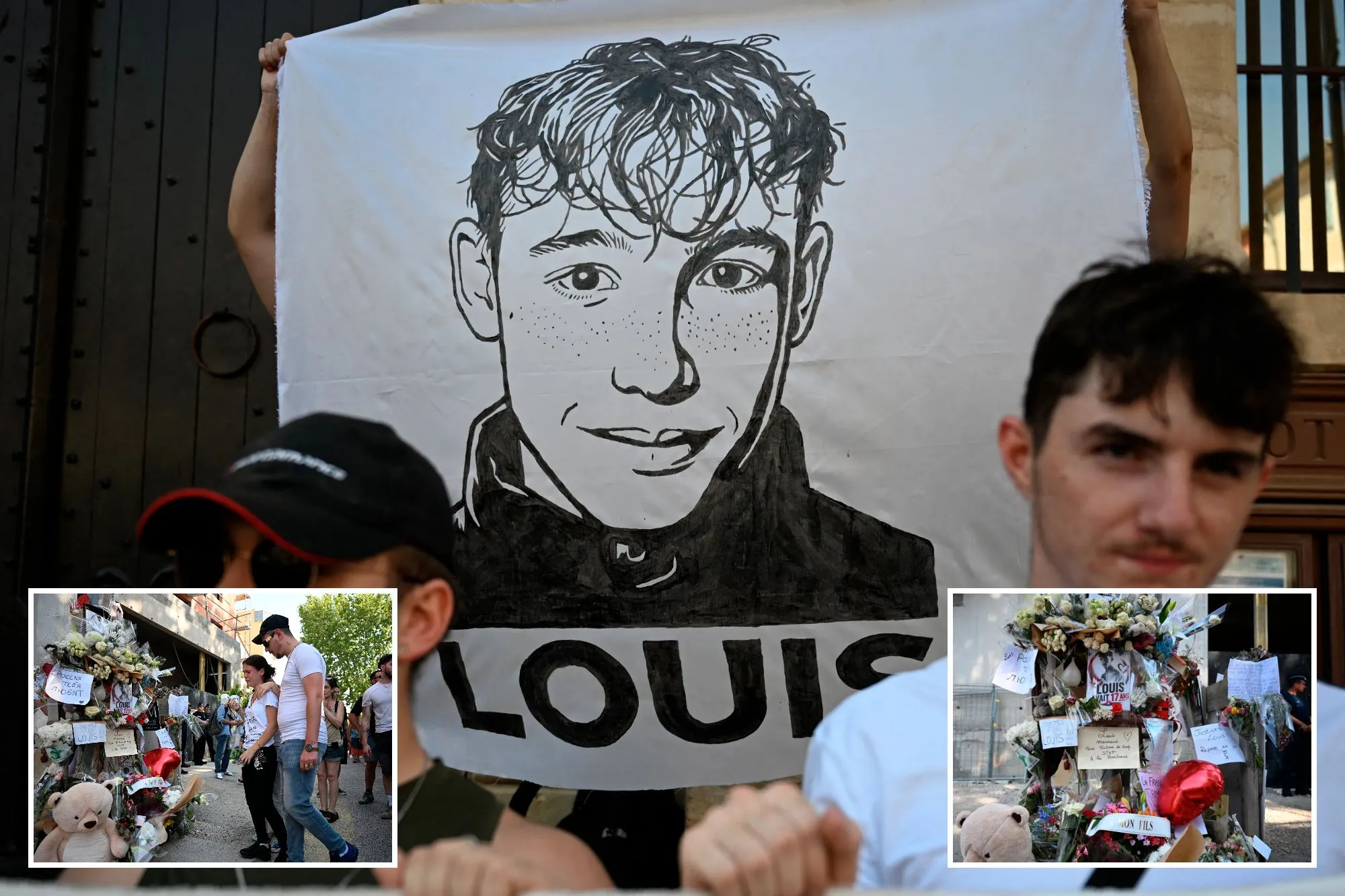
In mid-June 2026, a 17-year-old named Louis Hervé lost his life after a violent group assault in the southern French town of Narbonne, in the Aude department. On the evening of 19 June, according to investigators, a group of young men arranged to meet him in the town centre and then led him to a construction site along the Canal de la Robine, near the railway station. There he was subjected to a sustained attack that left him with severe facial injuries, including multiple bruises and bleeding from the mouth and nose. He was discovered unconscious the following morning by a construction worker, rushed first to a local hospital in Narbonne and then transferred to a facility in Perpignan for emergency surgery related to cerebral edema and serious brain trauma. Despite medical efforts, he remained in a coma and died of his injuries on 23 June 2026.
Prosecutors described the events as premeditated. Narbonne prosecutor Jean-Philippe Rey stated that the evidence indicated the suspects had deliberately set a trap, luring the teenager to the site with the intention of subjecting him to a fatal beating. Video footage of part of the assault circulated rapidly on social media; it showed several young people striking the victim while he lay on the ground. Police used the video, combined with phone records, to identify five suspects within a short time. They were arrested, formally placed under investigation (initially on charges that could be upgraded following the death), and remanded in pre-trial detention. The individuals, aged between 16 and 19 (three minors and two adults), were identified in media reports by first names and surname initials: Isaac P., Mathias T., Jordan S., Lucas P., and Kilian T. Officials noted that the precise motive remained unclear at the early stage of the inquiry and explicitly ruled out any racial element. Some of the suspects were known to child-welfare services, though none was housed in the same facility as Louis.
Louis had a documented history of difficulties. Diagnosed in childhood with attention-deficit hyperactivity disorder (ADHD) at a relatively severe level, he had attended a specialised therapeutic, educational and pedagogical institute (ITEP) in the Aude department until the age of 16. After leaving that setting, his family sought further structured support. From May 2026 he was living in a child-welfare (Aide Sociale à l’Enfance, or ASE) facility in Narbonne under a temporary contractual placement arranged with his parents. His father, Nicolas Hervé, later explained that the placement was intended to help manage his son’s emotional regulation and behavioural challenges, which at times included intense frustration that could affect the household, including younger siblings. The family had spent months searching for an appropriate specialised centre and had approached ASE after finding the existing support insufficient.
In the weeks before the fatal incident, Louis had reported earlier episodes of group violence. He filed a formal police complaint on 11 May 2026 concerning an unrelated matter and, on 12 June, went to a gendarmerie station in the Tarn department to report another assault that had required hospital treatment, though he declined to lodge a formal complaint at that time, apparently out of fear of retaliation. His father later revealed that Louis had sought refuge at a police station and spoken about prior attacks roughly a week before his death, but had been hesitant to pursue the matter fully. Nicolas Hervé expressed deep frustration that neither the justice system nor ASE had informed the family about the harassment or risks his son faced while in care. He said he would have insisted Louis remain inside the facility had he known. The mother of the teenager voiced similar anger, stating that she had repeatedly contacted educators yet felt her warnings about potential danger had gone unheeded.
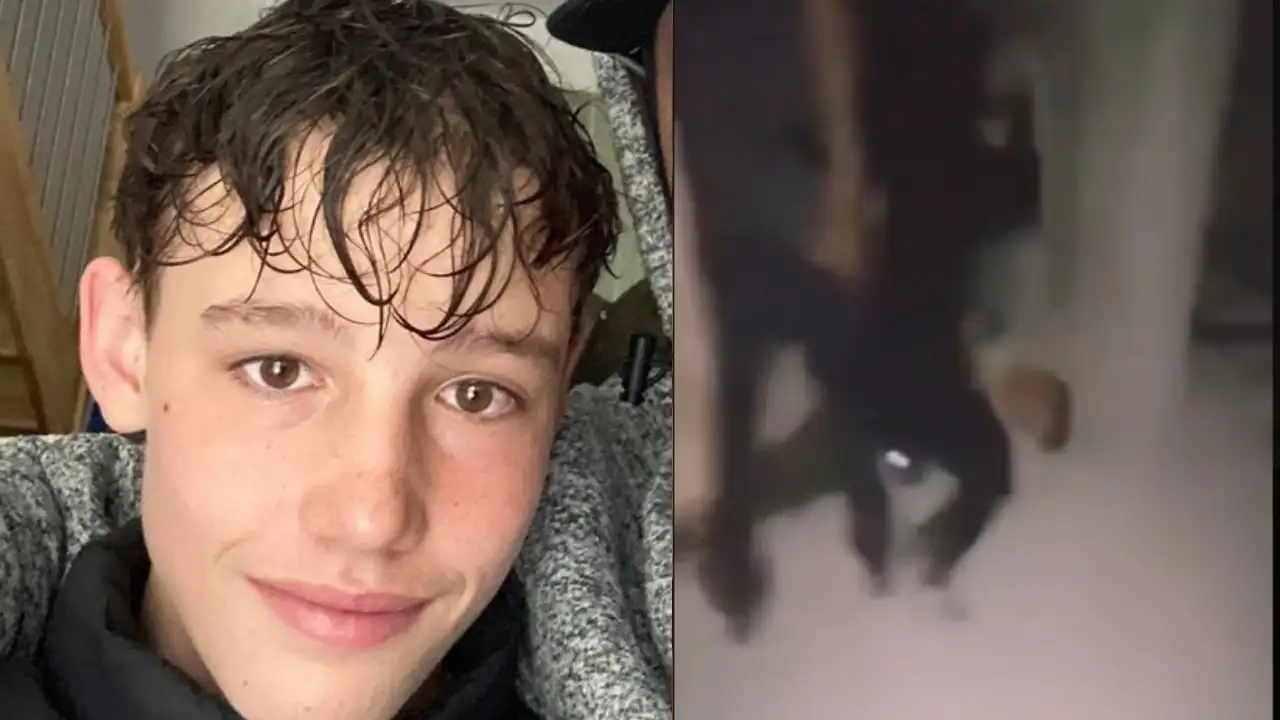
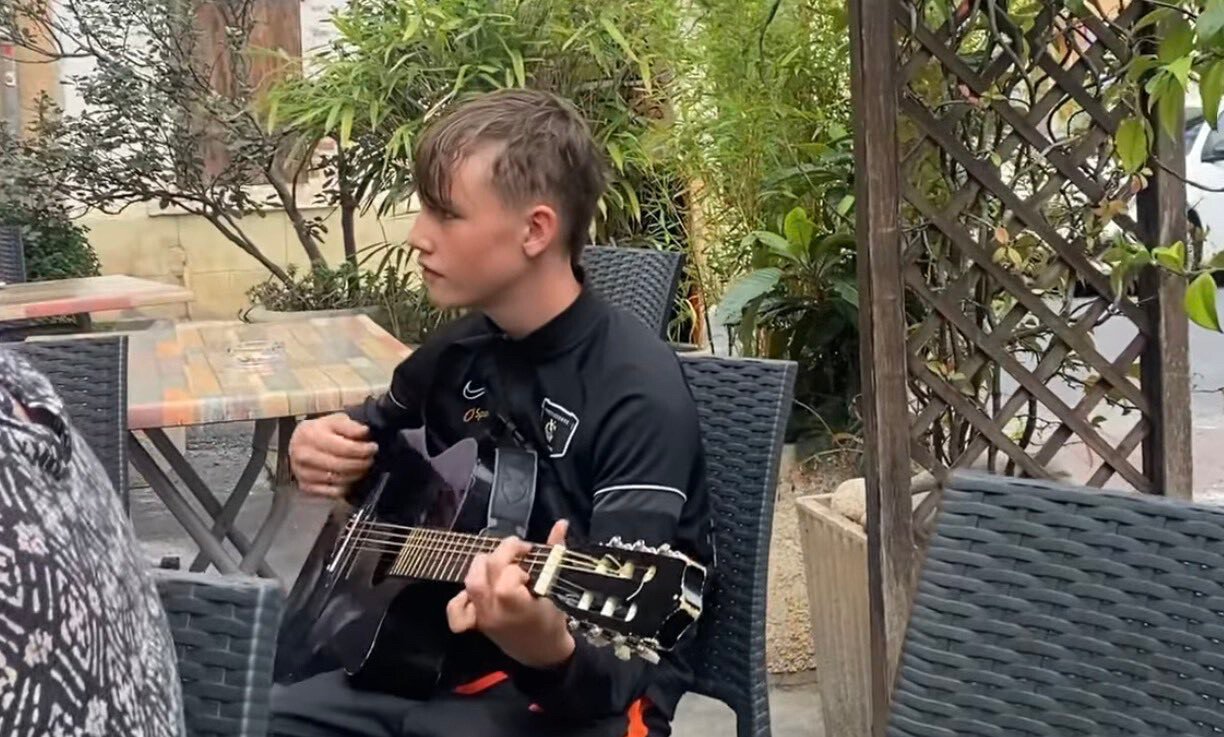
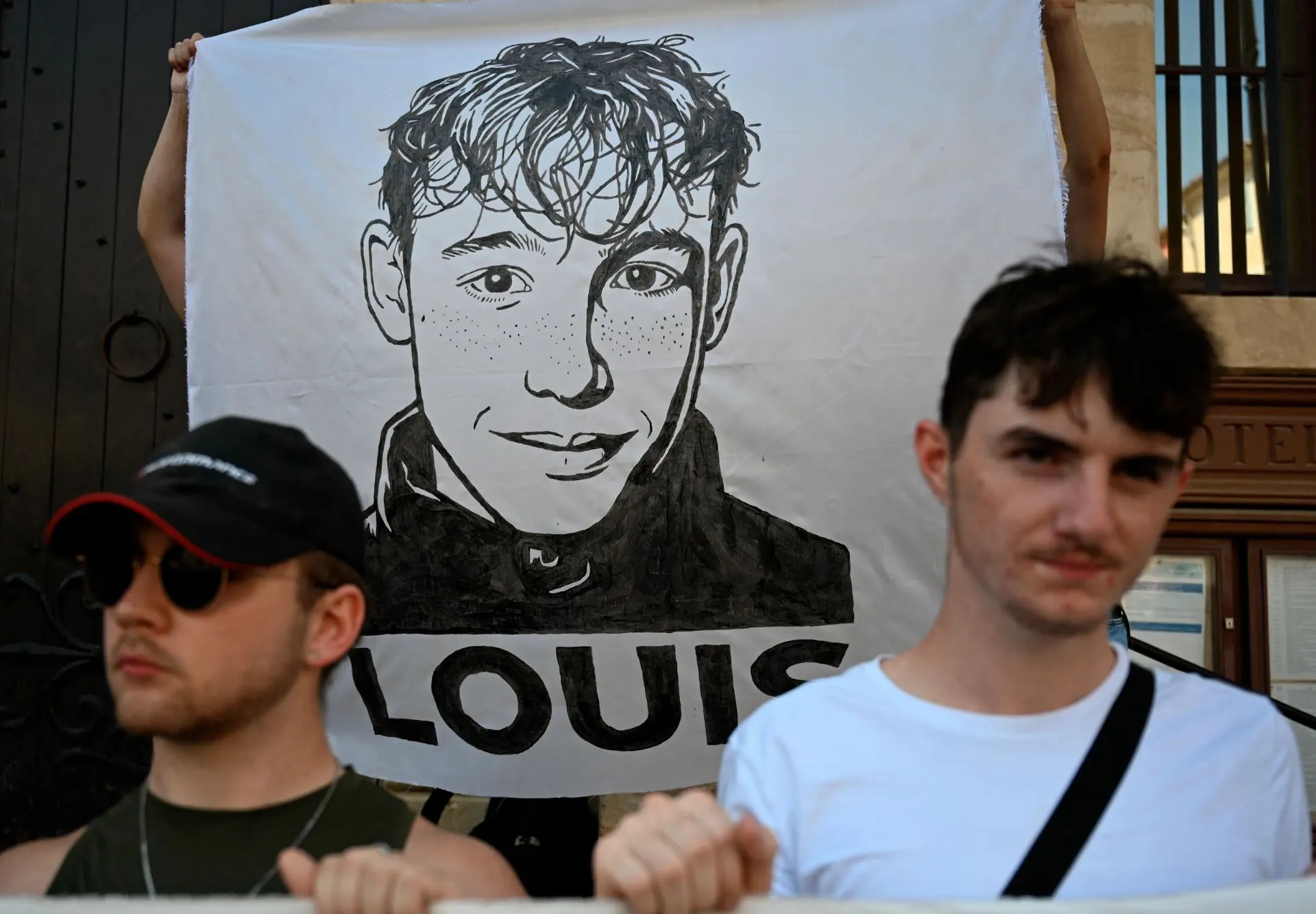
In public interviews, Nicolas Hervé described his son as a kind young man who played the guitar, enjoyed fishing trips with his father, and had once dreamed of creating light-hearted online content; the family even started a fishing-related channel together. Music had always helped channel his energy. The father repeatedly expressed incomprehension at the level of hatred directed at a boy he insisted had never been a fighter. Louis’s aunt (also his godmother) characterised the attackers as “barbarians” and stressed the family’s desire for a firm judicial response. Relatives rejected any political instrumentalisation of the tragedy. When demonstrations were organised under slogans such as “Justice for Louis,” the family publicly declined to participate and urged that the case not be co-opted for partisan purposes. Instead they focused on arranging a dignified funeral and covering related costs through a public fundraiser. Interior Minister Laurent Nuñez echoed the concern about political exploitation, particularly by far-right groups, while also acknowledging broader questions about youth violence and the support systems for vulnerable adolescents.
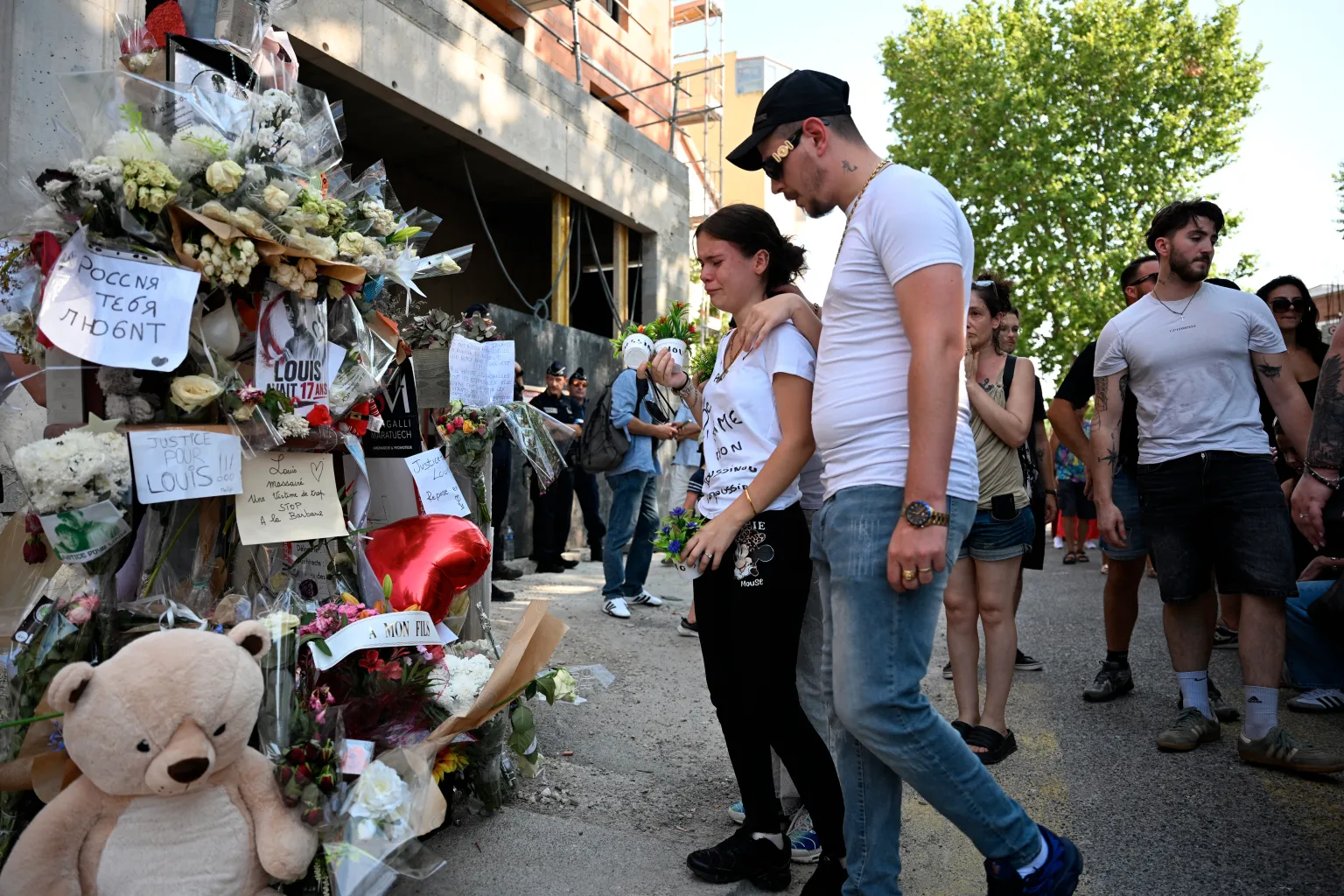
The case triggered widespread public emotion and political commentary across the spectrum. Memorials with flowers, messages and balloons appeared at the construction site and during local gatherings. Figures from various parties condemned the violence and called for stronger responses to youth delinquency, while others emphasised the need to examine child-welfare practices and institutional communication failures. By mid-July 2026, a Wikipedia entry summarising the events still listed the five suspects as remaining in pre-trial detention on murder-related charges, with the investigation ongoing and no public indication of a completed trial. As of early August 2026, available reporting continued to reflect that status: the judicial process was proceeding, the family continued to seek full accountability, and the episode remained a focal point for discussions about prevention of youth violence and the effectiveness of social-care placements in France.
Sources : The Sun, BFMTV.