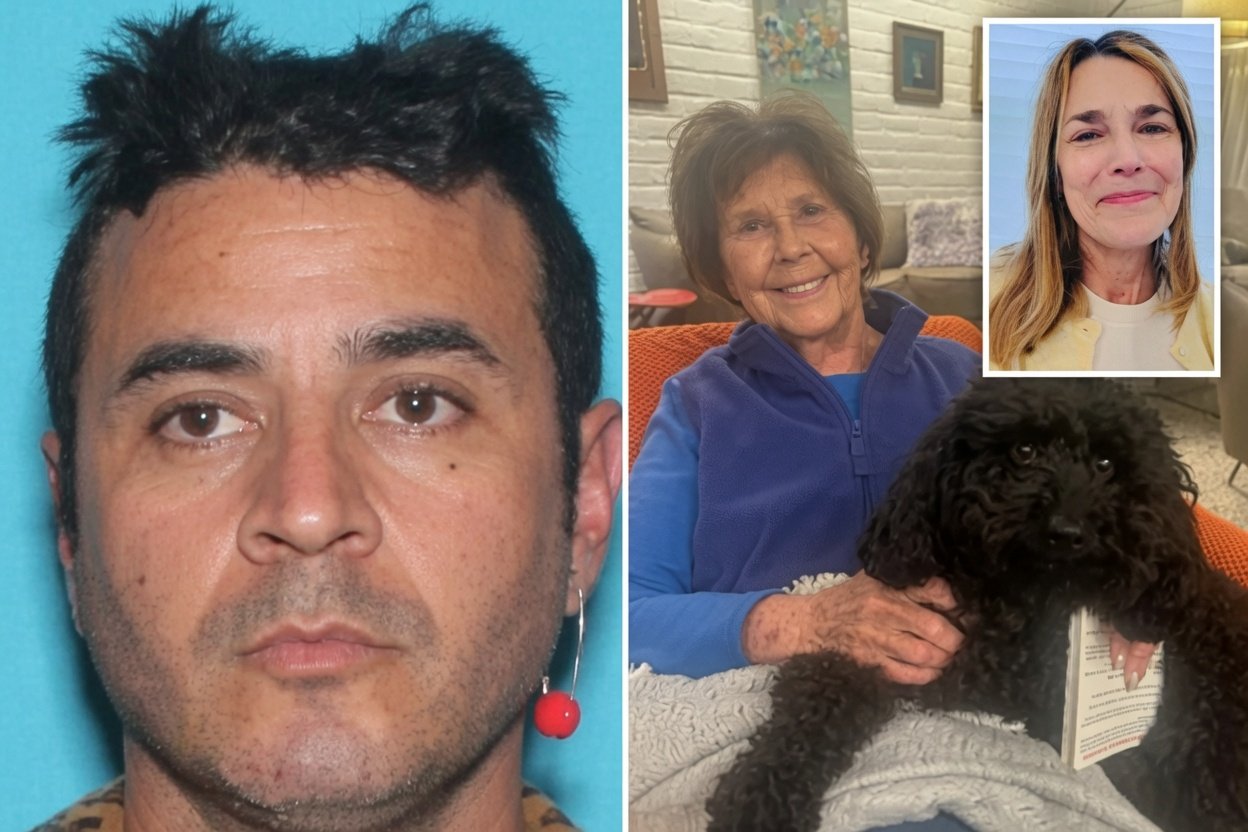
A California man named Derrick Callella has pleaded guilty to harassing members of the family of missing Nancy Guthrie by sending fake ransom-related messages. He became the first person convicted in connection with the investigation into the 84-year-old’s disappearance.
Callella, of Hawthorne, California, was originally charged with transmitting a ransom demand in interstate commerce and using a telecommunications device with the intent to abuse, threaten, or harass another person. Under a plea agreement, he pleaded guilty to using a telecommunications device to harass. The harassment charge carries a maximum of two years in prison, a fine, or both, plus up to one year of supervised release. However, under the agreement he could instead receive up to 10 years of probation when sentenced on September 10, 2026. Court records also show he was ordered to report to a residential addiction treatment facility as part of the deal.

Federal authorities have repeatedly stated that Callella had no connection to whoever abducted Nancy Guthrie and was an imposter who exploited the family’s desperate search for answers. According to the FBI, he became interested in the case after following media coverage of the disappearance. Prosecutors said he searched online for contact information for Guthrie family members and then reached out while investigators were actively pursuing leads.
On February 4, 2026—just moments after the family released its first public video appeal asking the alleged kidnappers for proof that Nancy was still alive—Callella texted Nancy Guthrie’s oldest daughter, Annie, and her son-in-law, Tommaso Cioni. Investigators said he also placed a nine-second phone call to another family member. Using a Voice over Internet Protocol (VoIP) number, he sent a message that read: “Did you get the bitcoin were (sic) waiting on our end for the transaction.” The text appeared to reference an earlier ransom demand that had been sent to local television station KOLD, in which someone claiming to have abducted Guthrie demanded millions of dollars in Bitcoin.

Federal prosecutors said Callella admitted he already knew about that ransom demand before sending his own messages. Court filings show he acknowledged contacting the family to see whether they would respond and to gather information about the investigation while intentionally harassing Guthrie’s loved ones. Investigators later traced the messages through electronic records tied to the VoIP account, linking them to an email address and IP address associated with Callella’s California residence. He confessed after being confronted by investigators.
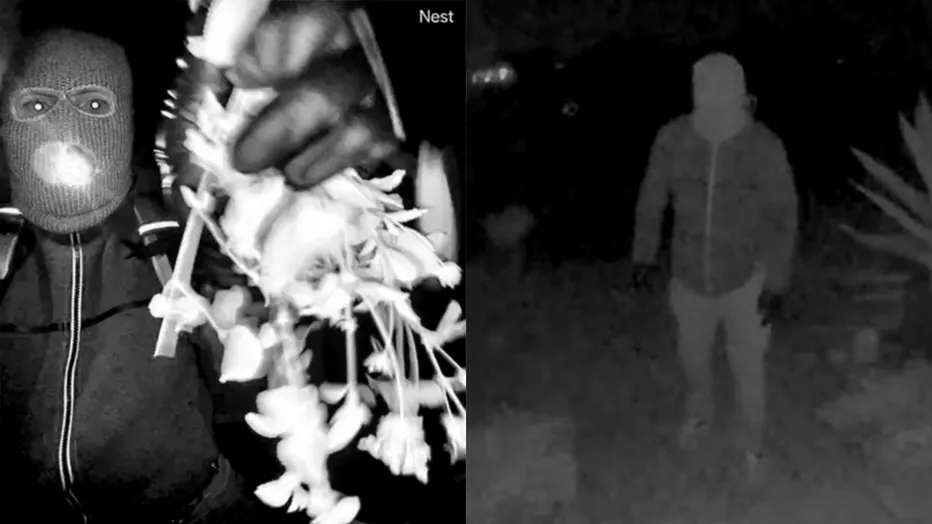
Nancy Guthrie vanished from her Tucson-area home on January 31, 2026 (or the early morning of February 1, according to some reports). The case has been treated as a kidnapping for ransom. Blood found outside the residence was confirmed to belong to her. Multiple ransom communications surfaced in the days and weeks that followed. The FBI has stated that it received several extortion communications during the investigation; some, including those from Callella, have been determined to be fraudulent, while others have not been ruled out and remain under active investigation. Officials have emphasized that Callella’s prosecution does not resolve the broader kidnapping case.
Pima County Sheriff Chris Nanos warned that anyone who sends fraudulent ransom messages can expect to be prosecuted, noting that such messages divert investigative resources and inflict additional trauma on families by creating false hope. A local criminal defense attorney not involved in the case similarly expressed hope that the prosecution would deter others from interfering with active investigations or exploiting victims’ families.
Source: The Sun.