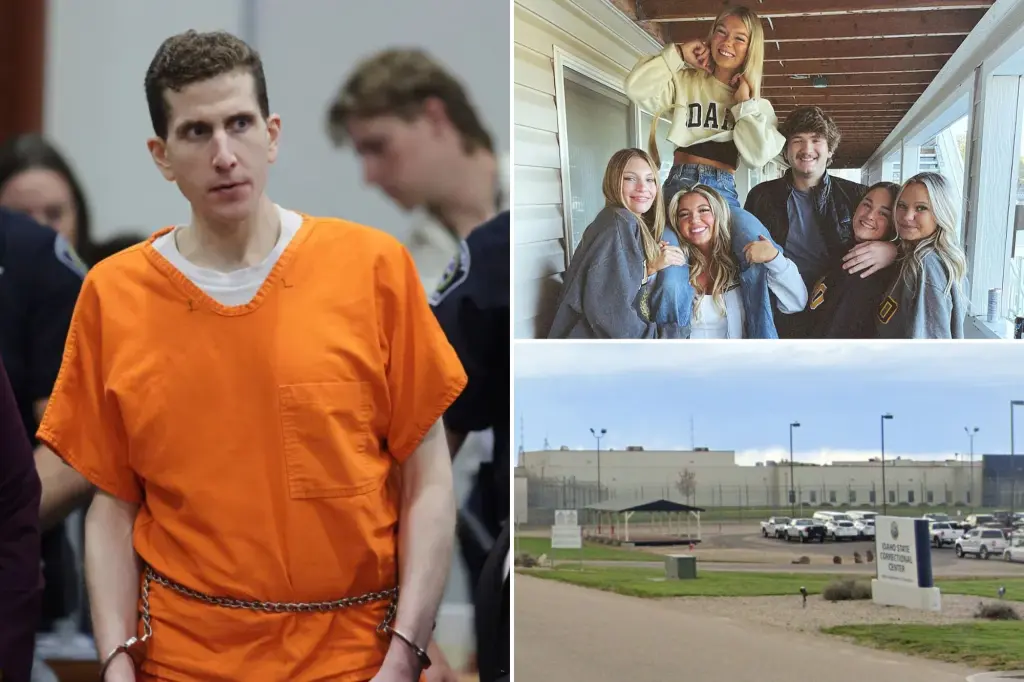
Nearly four years after the brutal stabbing deaths of four University of Idaho students, the central question in the case remains unanswered: Why did Bryan Kohberger choose that particular house on King Road in Moscow?
In a recent interview tied to her Netflix documentary The Idaho Murders: College Nightmare, director Skye Borgman offered one of the most direct theories yet. She pointed to a simple but chilling fact: the residence was occupied almost entirely by women. Five female students lived there. On the night of November 13, 2022, Xana Kernodle’s boyfriend, Ethan Chapin, happened to be staying over. But the home itself was fundamentally a women’s space.
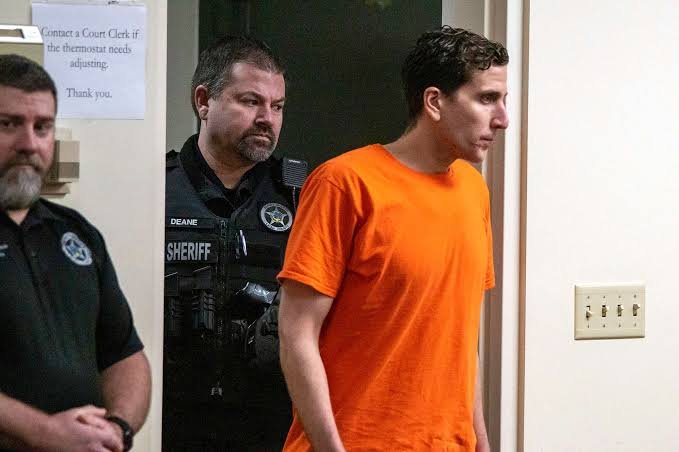
“This was a house full of women, and it seems quite clear that he targeted it,” Borgman said. She noted that Kohberger had been around the property in the days, weeks, and months leading up to the attack. Cellphone records later showed repeated late-night connections to the tower serving the area. “So, it seems pretty likely that he had a very low regard, if not hatred, for women.”
Kohberger, now 31 and serving four consecutive life sentences without parole, has never offered a public explanation for the killings of Kaylee Goncalves, Madison Mogen, Xana Kernodle, and Ethan Chapin. Investigators have said they found no clear evidence linking him formally to the incel community—an online subculture of men who express deep resentment toward women over perceived romantic rejection. FBI Special Agent Ed Jacobson, who worked the case, stated in the documentary that while such theories were examined, “we never saw evidence that shows Bryan Kohberger is part of the incel movement.” He added, however, that Kohberger was highly skilled at concealing his online activity.
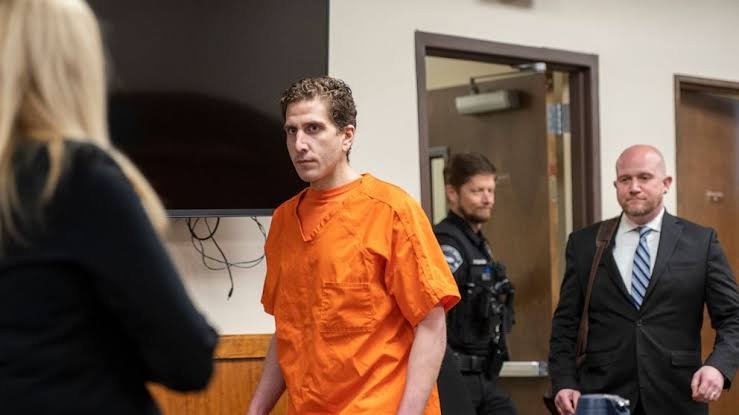
Still, a pattern of uncomfortable and aggressive behavior toward women emerged from multiple accounts long before the murders. At Washington State University, where Kohberger was pursuing a Ph.D. in criminology and working as a teaching assistant, classmates and faculty described him as argumentative, prone to speaking down to female students, and frequently engaging in what many called “mansplaining.” Several women reported that he made them feel uneasy through intense staring, blocking doorways, lingering near their desks, and occasionally following them to their cars.
One faculty member was so concerned that she told colleagues she believed Kohberger could eventually become a predator who would harass or abuse students if he ever became a professor. The university received multiple complaints about his rude and belittling conduct toward women, prompting mandatory behavioral training for graduate students. Kohberger was ultimately removed from his teaching assistant role.
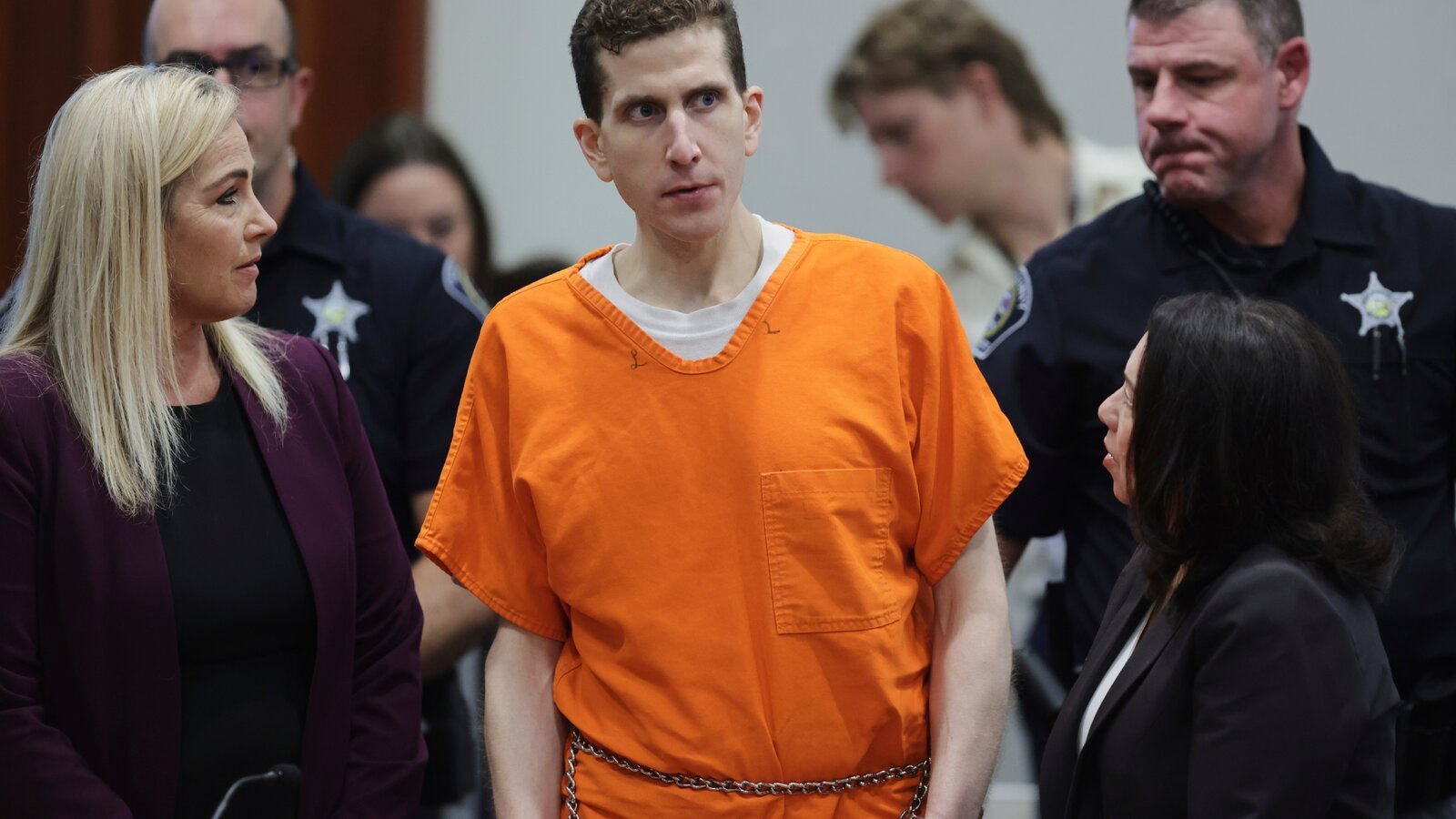
Similar stories surfaced from earlier periods in his life. At a Pennsylvania brewery, women complained about a “creepy” man with bulging eyes who forced himself into conversations and asked for their addresses. An exotic dancer later told investigators she believed she had encountered him years earlier and that he had made chilling comments about wanting to kill people.
Some experts and authors have drawn parallels to other cases involving intense fixation and rage directed at attractive young women. Others have suggested the attack may have involved a disrupted psychosexual fantasy, pointing to the concentrated injuries to the victims’ faces and heads as possible indicators of personal rage rather than purely random violence. These remain theories. No sexual assault was reported in connection with the murders.
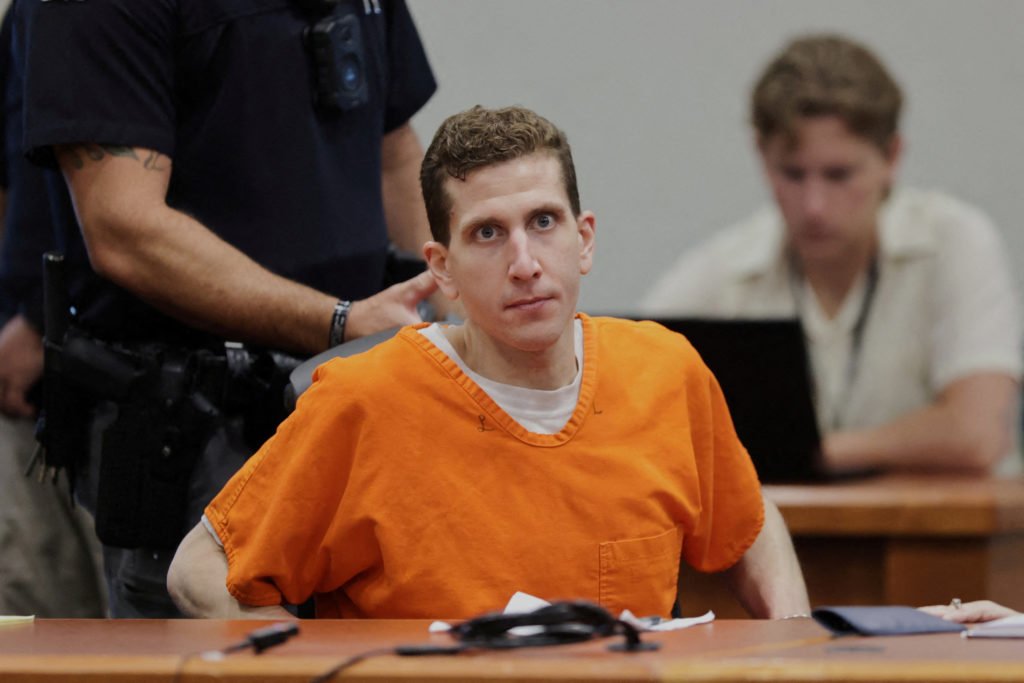
In late July 2026, just days before the Netflix series premiered, Kohberger filed a petition seeking to withdraw his guilty plea. In a statement provided to The New York Times, he claimed “actual innocence” and argued that his attorneys had pressured him with false promises about prison conditions and exaggerated threats about life on death row. He insisted the plea was not knowingly or voluntarily entered. Legal observers have described the effort as an uphill battle, noting that he had previously told the court under oath that he was pleading guilty freely and because he was, in fact, guilty.
For the victims’ families, the search for a clear motive has largely shifted. Many have said they no longer expect Kohberger to provide answers. Instead, they are focusing on preserving the memory of the four young people who lost their lives and supporting others affected by violence. Investigators, too, have spoken of the lasting emotional toll the case took on the community and on some law enforcement officers who later left the profession.
The house on King Road has since been demolished. The documentary has brought renewed attention to the case. And still, the core mystery endures. Kohberger selected a home filled with young women, surveilled it over time, entered it in the early morning hours, and left four people dead. Whether that choice was driven by specific hatred, a broader resentment, a personal fantasy, or something else entirely remains locked inside the mind of the man now serving life in an Idaho prison.
Sources: Fox News / New York Post