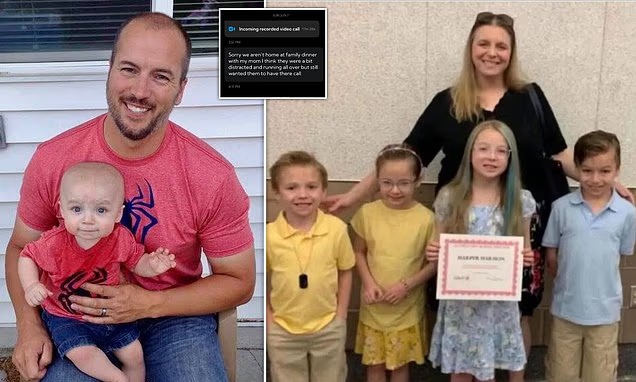
A father in upstate New York is speaking publicly about the final days of his four children after a devastating family tragedy left him facing a reality he had spent years fearing he might one day have to confront. Brady Harmon, the children’s father, had been preparing to see his four children during the summer when a planned visit was repeatedly delayed by messages from their mother saying that the children were sick. He would never get the opportunity to see them again.
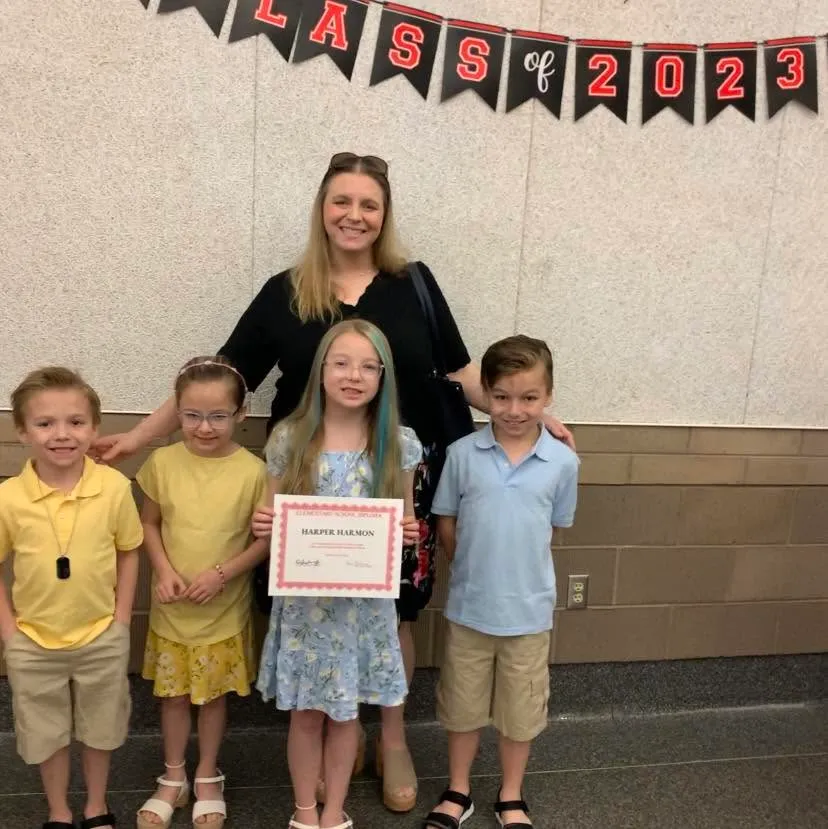
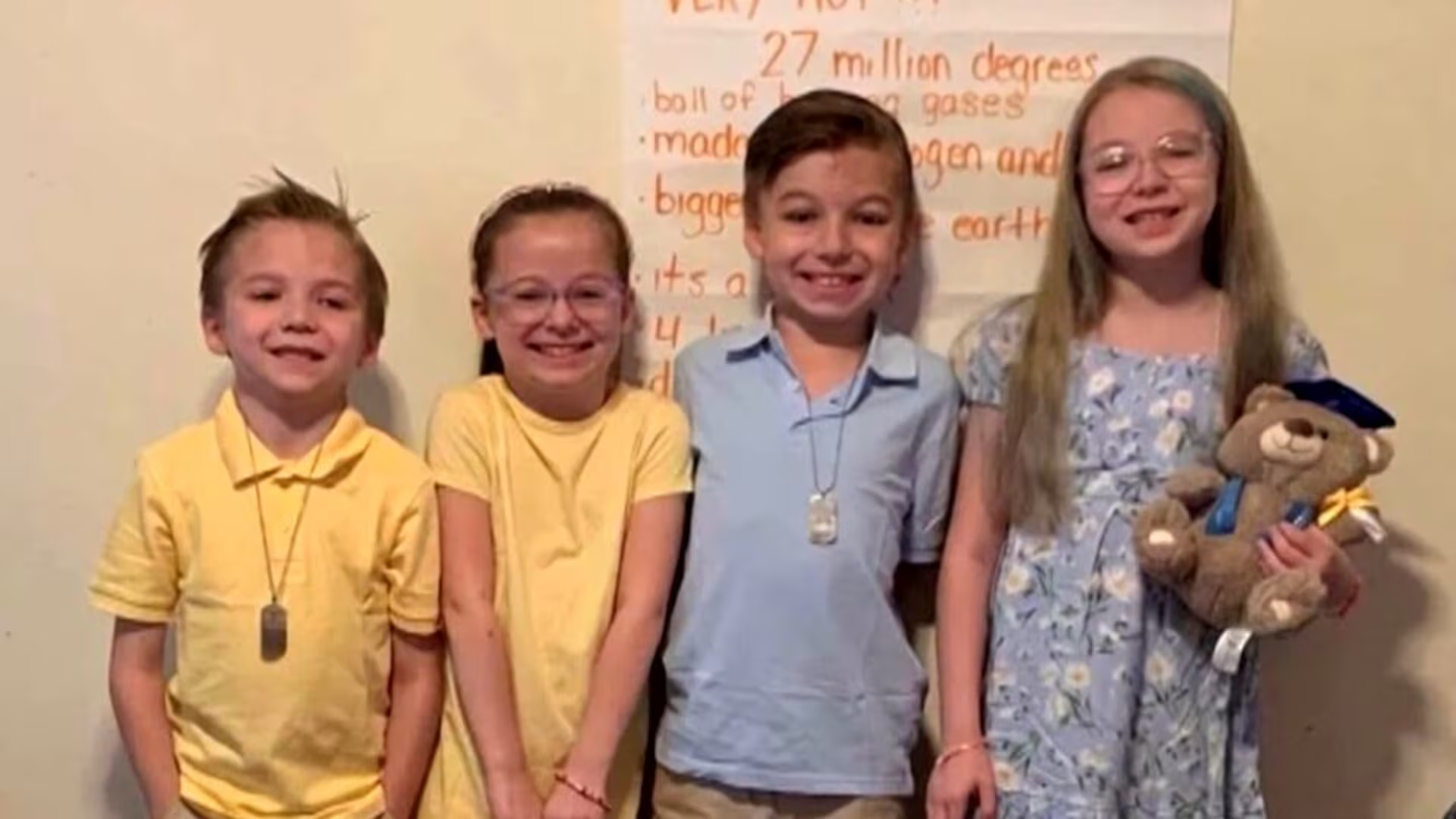
The children — 13-year-old Harper, 11-year-old Hudson and 10-year-old twins Gavin and Gracelynn — were found dead in a Mechanicville, New York, home in June 2026. Authorities believe their mother, Sarah Myers, and her mother, Amy Steadman, were involved in the deaths. Investigators have said Steadman allegedly poisoned three of the children using a combination of over-the-counter and prescription medications, while Gavin was fatally stabbed, possibly after attempting to defend himself. Myers and Steadman were later found dead, and authorities ruled their deaths suicides.
For Harmon, the tragedy was made even more painful by the messages he exchanged with the children’s mother shortly before their deaths. He had been living in Utah and had not seen his children in person since 2019. A parenting plan had given him the opportunity to spend time with them during the summer of 2026, and he had been looking forward to finally seeing his children again after years apart.
Instead, the visit never happened.
In the days leading up to the deaths, Harmon said he was told that the children were sick. The explanations caused delays and prevented a planned video call from taking place. What appeared at the time to be an ordinary family disagreement or another postponement would later take on a horrifying significance after investigators discovered what had happened inside the home.
Harmon has now shared some of the final communications because he wants people to understand what happened to his children and the circumstances surrounding their final days. His account also highlights the difficulty of recognizing danger when troubling events are hidden behind seemingly ordinary family messages.
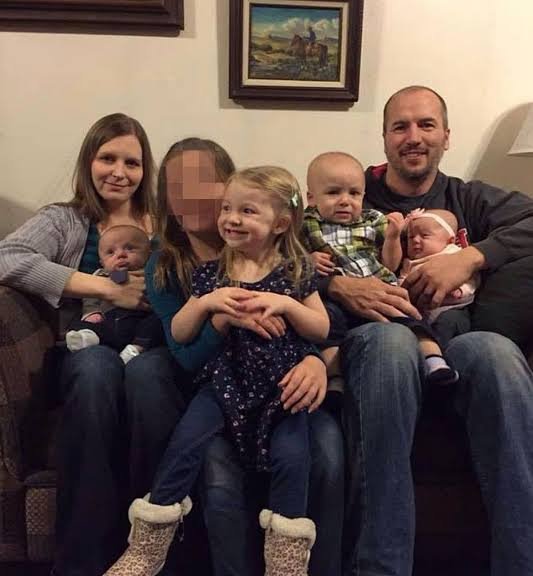
The children were discovered nearly two weeks after their deaths, according to authorities. By that point, their bodies had begun to decompose, making the investigation particularly difficult. Investigators have worked to reconstruct the family’s final days and determine how the deaths occurred, what led to them and whether there were warning signs that could have prompted intervention earlier.
One of the most painful aspects of the case for Harmon is that he had continued trying to maintain contact with his children despite the distance between them. He had not simply disappeared from their lives. He had been attempting to communicate with them and was expecting to spend time with them under the terms of the parenting arrangement.
His final messages therefore represent more than a record of communication. They are a reminder of how close he came to seeing his children again before circumstances changed everything.
Authorities have also uncovered notes that accused Harmon of abusing the children. Those allegations have not been independently established, and Harmon has consistently denied them. The existence of the notes has become another element investigators must consider as they work to understand what happened inside the home and why the children were killed.
The case has also raised questions about whether government agencies had opportunities to intervene before the tragedy. Harmon said Child Protective Services had sent multiple notices concerning potential concerns involving the children’s home dating back to 2020. He said the most recent notice arrived after the children had already died.
That revelation has intensified the family’s grief and raised difficult questions about whether earlier warnings could have led to a different outcome. Such questions will ultimately depend on what authorities knew, what actions were taken and what information was available to them at each stage.
The tragedy is particularly difficult to comprehend because the children were not killed together in an unexpected accident. Investigators believe their deaths were part of a deliberate sequence of events involving their mother and grandmother. The circumstances have left relatives and the community struggling to understand how a family situation could deteriorate to such an extreme point.
Harmon has described the deaths as the greatest possible harm being inflicted upon children by the people who were supposed to protect them. His public comments reflect not only his grief but also his frustration that he was unable to reach his children before it was too late.
For a parent separated from his children, the prospect of finally seeing them after years apart would ordinarily have been a moment of celebration. Harmon had been making plans for the summer and preparing for a long-awaited reunion. Instead, the messages telling him the children were ill became the final communications connected to a visit that never occurred.
The investigation has also forced authorities to examine the timeline carefully. Investigators need to determine when each child died, who was present, what medications were used, how the fatal injuries occurred and what actions were taken by the adults in the home before and after the killings. Because the bodies were not discovered until almost two weeks later, investigators have faced additional challenges in establishing a precise sequence of events.
The deaths of Harper, Hudson, Gavin and Gracelynn have left relatives mourning four young lives that ended under circumstances that authorities describe as deeply disturbing. Each child had a different personality, interests and place within the family, but all four were dependent on the adults around them for safety and protection.
Their father is now left with memories of conversations that once seemed ordinary but have become permanent reminders of what he lost.
The tragedy also illustrates how difficult it can be for relatives living far away to understand what is happening inside another household. When communication is limited to phone calls, text messages and occasional video conversations, a parent may have little ability to independently assess whether children are safe. A statement that a child is sick can appear completely ordinary, especially when there is no immediate reason to believe something more serious is happening.
That reality is now central to Harmon’s story.
He was preparing to travel and spend time with his children. Instead, he learned that they had died.
The case remains under investigation, and authorities are expected to continue reviewing the evidence surrounding the deaths of the four children and their mother and grandmother. Investigators will also have to determine what happened in the period between the family’s final communications and the discovery of the bodies.
For Harmon, however, the investigation is about more than determining a legal outcome. It is about understanding how his children were lost and whether something could have been done to protect them.
The final messages he received cannot bring Harper, Hudson, Gavin or Gracelynn back. But by sharing what he remembers, Harmon hopes their story will not disappear into the growing number of family tragedies that attract public attention for a few days before being forgotten.
He wants people to remember that his children were real people, not simply names in a police investigation. They were siblings who were supposed to have years ahead of them. They were children who were supposed to grow up, attend school, make friends, build careers and eventually create lives of their own.
Instead, their father is now looking back at the final messages he exchanged with them and wondering whether he could have known that something terrible was happening.
The most painful part may be that there was no final warning message telling him that his children were in immediate danger. There was simply a series of explanations, delays and missed opportunities that, viewed afterward, became impossible to ignore.
That is why the case continues to raise questions about communication, child protection and the ability of separated parents to recognize danger from a distance.
For Brady Harmon, the answers will never erase the loss of his children. But understanding what happened may be the only way to provide a measure of accountability and ensure that the circumstances surrounding their deaths are fully examined.
Harper, Hudson, Gavin and Gracelynn should have been preparing for a summer with their father.
Instead, their final days became the subject of a criminal investigation and a devastating search for answers.
Their father’s messages now remain as one of the last surviving records of a family that was expecting a reunion — and never got one.
Sources: https://www.timesunion.com