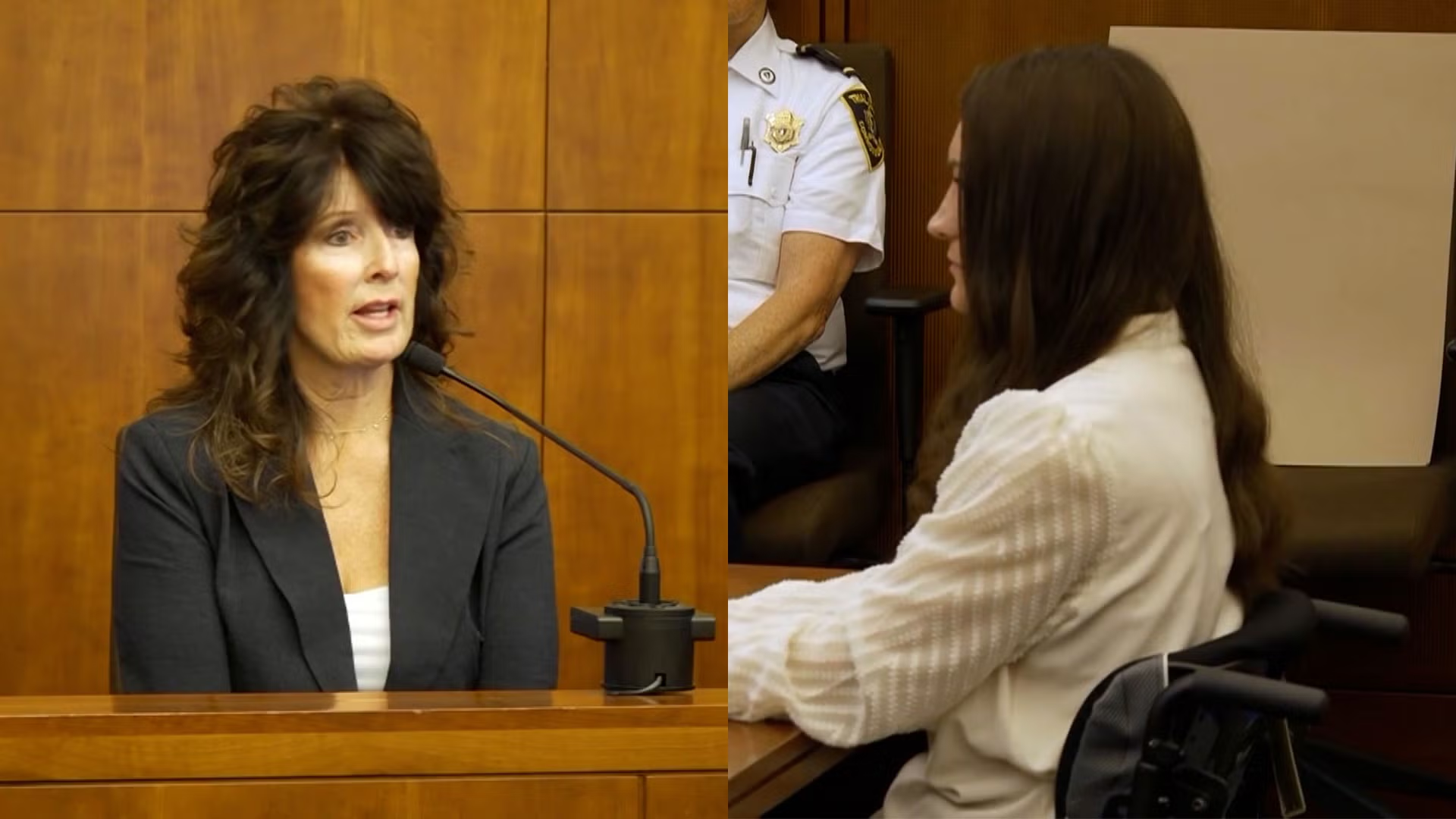
The murder trial of Massachusetts mother Lindsay Clancy has entered another deeply emotional phase, with testimony from a former nanny offering jurors a picture of a woman who, despite openly discussing serious postpartum difficulties, did not appear to those around her to be a danger to her children.
Elaine Rossi, who worked for the Clancy family during the latter part of 2022, testified about the months she spent caring primarily for the family’s youngest child, Callan. Her testimony provided the jury with a detailed look at Lindsay Clancy’s behavior at home before the deaths of her three children and highlighted the contrast between the mother Rossi knew and the events that unfolded only weeks later.
Rossi told jurors that she never saw anything that caused her concern about Lindsay’s ability to care for her children. In her experience, Clancy was attentive, affectionate and deeply involved in her children’s lives. Rossi described her as a mother who appeared to genuinely love her children and who took their routines and needs seriously.
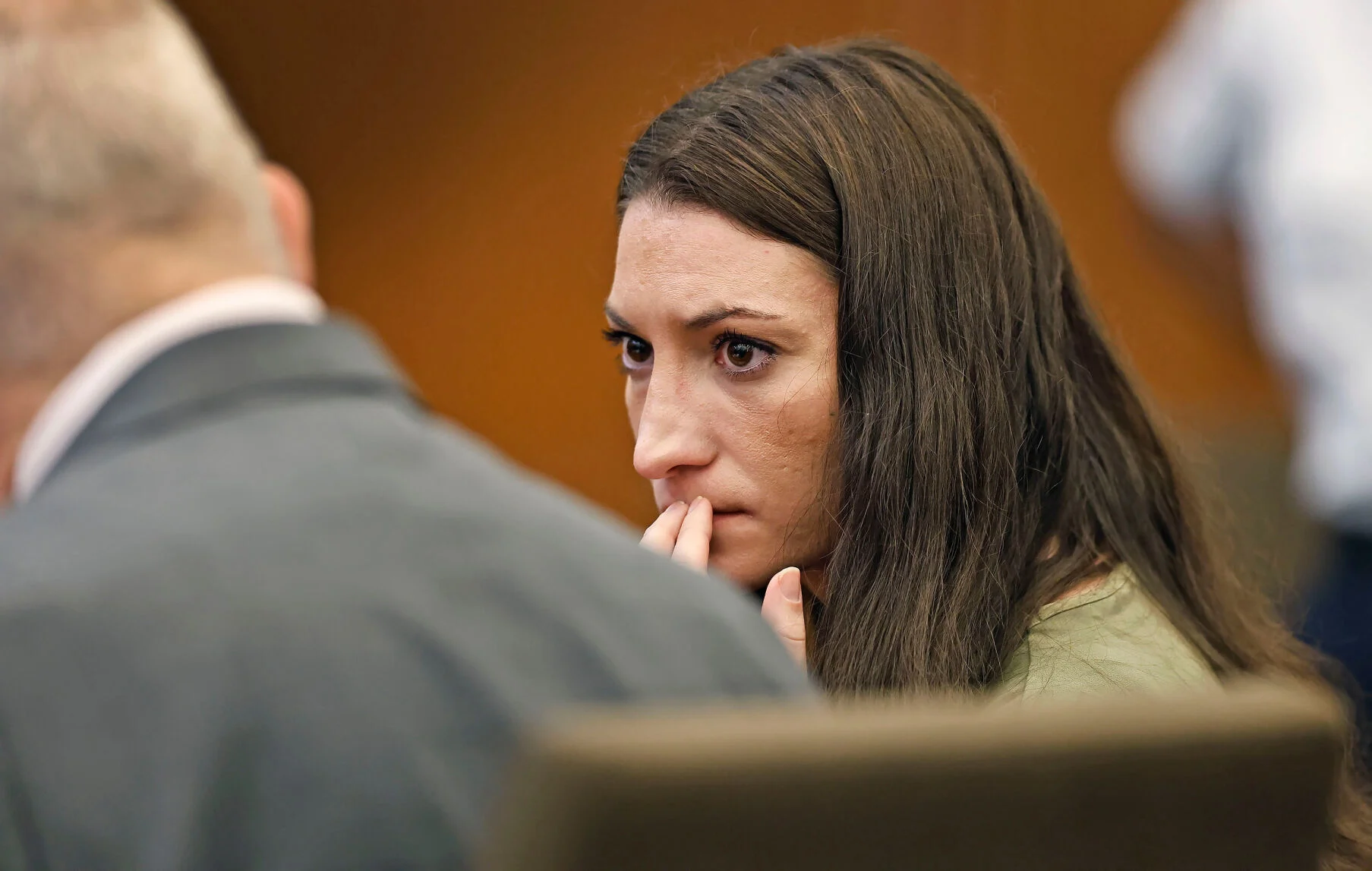
The testimony is significant because the central question in Clancy’s trial is not whether she caused the deaths of her children. Both sides acknowledge that she killed five-year-old Cora, three-year-old Dawson and eight-month-old Callan in January 2023. Instead, the trial is largely focused on her mental state at the time and whether she should be held legally responsible for what happened.
Prosecutors argue that Clancy intentionally killed her children and should be found criminally responsible. Her defense maintains that she was experiencing severe postpartum psychosis and other serious mental health problems that prevented her from understanding the nature or wrongfulness of her actions.
Rossi’s testimony provides the defense with evidence that Clancy’s behavior before the killings did not necessarily appear dangerous to someone who interacted with her regularly. At the same time, the nanny also confirmed that Clancy had spoken about struggling after giving birth, meaning there were indications that she was experiencing significant difficulties even though those problems did not appear to translate into threatening behavior toward her children.
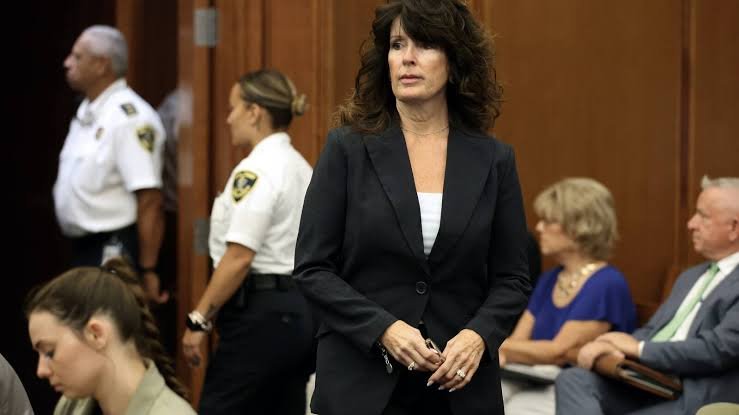
Rossi worked for the family from September through December 2022, primarily helping care for Callan as Clancy prepared to return to her career as a labor and delivery nurse. She also had opportunities to observe Lindsay with all three children and became familiar with the family’s daily routines.
According to testimony reported from the courtroom, Clancy gave detailed instructions about caring for the children and appeared highly attentive to their needs. The nanny’s observations presented a portrait of an organized mother who cared deeply about how her children were fed, slept and spent their days.
At one point during the testimony, jurors were shown a video Rossi had taken of baby Callan. The ordinary family footage became an emotional moment in the courtroom because it showed the child alive and interacting normally with the nanny, only weeks before his death.
Rossi also told the court that Lindsay had disclosed that she was experiencing postpartum problems. She understood that Clancy was dealing with mental health difficulties following the birth of Callan and knew that she was receiving treatment.
Clancy reportedly discussed medication with Rossi and explained that she planned to stop breastfeeding because of changes to her treatment. Rossi also observed medication bottles in the home and was aware that Clancy was having significant difficulty sleeping.
Sleep had become an important issue in the months before the tragedy. Testimony throughout the trial has established that Clancy experienced prolonged insomnia and other symptoms after Callan’s birth. Her mental health problems became serious enough that she sought help from multiple medical professionals and eventually received inpatient psychiatric treatment.
Yet Rossi said she never interpreted what she saw as evidence that Clancy was dangerous.
That distinction is particularly important to the defense. Attorneys representing Clancy argue that her condition deteriorated dramatically in the weeks before January 24, 2023, and that the warning signs were not adequately recognized or treated. They have argued that medication changes and what they characterize as inadequate medical care contributed to an episode of postpartum psychosis.

Prosecutors have presented a fundamentally different interpretation. They argue that Clancy’s actions demonstrated planning and intent rather than a complete break with reality. Their case is aimed at showing jurors that she made conscious decisions before, during and after the killings and therefore should be held responsible under Massachusetts law.
The trial has already featured extensive testimony about Clancy’s mental health history. Her former husband, Patrick Clancy, testified about the months leading up to the killings, describing how his wife’s mental health deteriorated after the birth of their third child. Jurors also heard about her suicidal thoughts, intrusive thoughts and efforts to obtain psychiatric treatment.
Medical records presented in court have shown that Clancy was prescribed numerous medications and consulted several healthcare providers during a relatively short period. Her attorneys argue that the treatment did not stabilize her condition and may have contributed to her deterioration.
The prosecution, however, has emphasized evidence that it believes demonstrates awareness and planning. Prosecutors contend that Clancy deliberately created an opportunity to be alone with the children before killing them and subsequently attempted to take her own life.
On January 24, 2023, Patrick Clancy left the family’s Duxbury home to run errands and pick up food. When he returned, he discovered his three children in the basement. He then called emergency services and found Lindsay outside the home after she had attempted suicide by jumping from a second-story window.
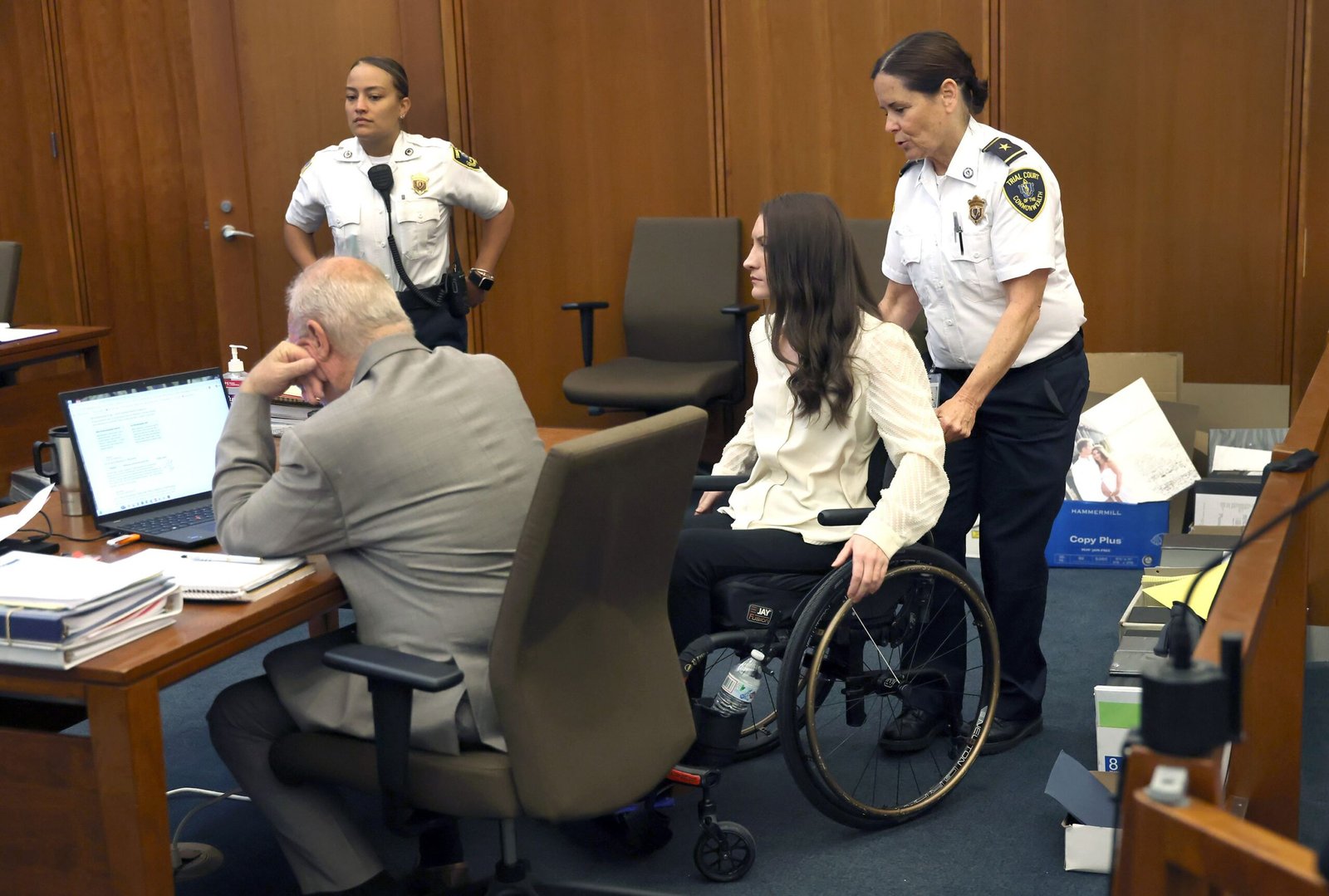
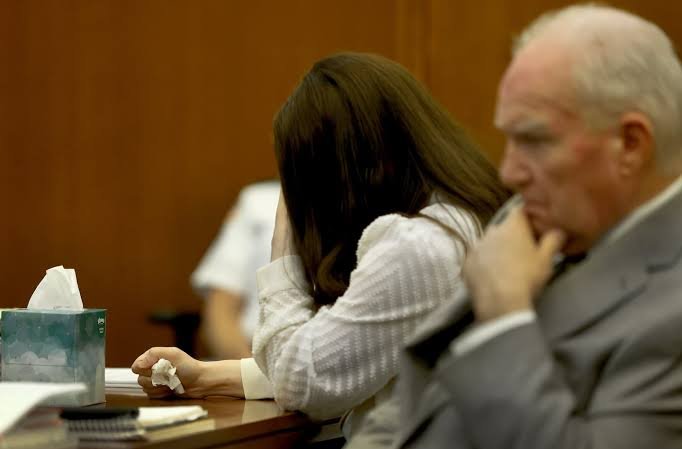
The suicide attempt left Clancy paralyzed. She has remained in medical custody during the years since the killings and is attending the trial in a wheelchair.
One of the most emotionally difficult moments of the trial came when jurors heard Patrick’s 911 call. During the call, he discovered the children and reacted in shock as emergency personnel tried to understand what had happened. The recording provided jurors with a direct account of the immediate aftermath of the tragedy.
The trial has subsequently moved into increasingly detailed medical and forensic testimony. Medical examiners have described the children’s injuries, while toxicology evidence has addressed medications found in Clancy’s system. The defense has argued that the medication history is crucial to understanding her psychological state.

More recent testimony has also focused on statements Clancy allegedly made to medical professionals and people close to her before the killings. Evidence presented in court has described suicidal thoughts, intrusive thoughts and concerns about medication side effects.
One witness testified that Clancy had expressed passive suicidal thoughts in December 2022 but did not have a specific suicide plan at that point. That distinction affected the medical response at the time, because professionals did not believe she met the threshold for an immediate intervention based on the information available to them.
The defense argues that these earlier warning signs demonstrate how serious Clancy’s condition had become. Prosecutors, however, can point to the same evidence as proof that Clancy was capable of communicating her thoughts and seeking assistance, potentially supporting their argument about her awareness and state of mind.

That disagreement lies at the heart of the trial.
The former nanny’s testimony does not determine which side is correct. Instead, it provides jurors with another piece of the much larger picture they must evaluate. Rossi knew Clancy before the killings, but she was not a psychiatric expert and did not witness what happened inside the family home on January 24, 2023.
Her testimony therefore cannot establish whether Clancy was experiencing psychosis at the time of the killings. What it does establish is that someone who spent substantial time around the family during the months before the tragedy did not see behavior that caused her to believe the children were in danger.
That testimony also illustrates why the case is so complicated. A person can appear loving and attentive to others while privately experiencing serious mental health symptoms. The prosecution and defense are asking the jury to interpret the same period of time through very different legal frameworks.
The defense wants jurors to see a mother whose mental condition deteriorated beyond her ability to control or understand her actions. Prosecutors want them to see a woman who made deliberate decisions and therefore remains legally responsible for the consequences.
The evidence presented so far has included testimony from family members, police officers, first responders, medical professionals and other witnesses who encountered Clancy before or after the killings. Together, their accounts are gradually reconstructing the months leading up to January 24, 2023.
The former nanny’s testimony is especially notable because it comes from someone who was outside the immediate family but spent regular time inside the home. Her observations provide jurors with an independent perspective on Clancy’s relationship with her children before the tragedy.
The testimony also brought renewed attention to the importance of recognizing postpartum mental health disorders. The case has prompted wider discussion about postpartum depression, anxiety, psychosis and the challenges faced by families attempting to obtain appropriate psychiatric care.
Postpartum psychosis is a rare but severe condition that can involve hallucinations, delusions, confusion and a loss of contact with reality. The defense says Clancy was experiencing this type of condition when she killed her children. Prosecutors dispute the legal significance of that claim and argue that the evidence demonstrates intentional conduct.
As the trial continues, expert testimony is expected to remain central to the proceedings. Jurors will ultimately have to decide whether Clancy’s mental condition met the legal standard required for a finding that she was not criminally responsible.
The consequences of that decision are enormous.
If Clancy is convicted of first-degree murder, she could face life imprisonment without the possibility of parole. If jurors determine that she was not criminally responsible because of mental illness, she would instead be committed to a secure psychiatric facility under the state’s legal system.
For the families involved, however, the legal arguments cannot change the reality of what happened. Three young children — Cora, Dawson and Callan — lost their lives in their family home in January 2023.
The testimony from Elaine Rossi has now added another dimension to the story: the memory of a mother who, just weeks before the tragedy, appeared to those around her to be loving, attentive and committed to her children while simultaneously struggling with postpartum mental health problems.
That contrast is likely to remain one of the most important themes as the trial continues.
The jury must eventually determine not simply what Lindsay Clancy did, but what was happening inside her mind when she did it. The answer will depend on the totality of the evidence, including her medical history, communications, behavior, expert evaluations and testimony from those who knew her before the killings.
For now, the trial continues to examine that complicated history, one witness at a time.
Sources: https://wfin.com/fox-national-news