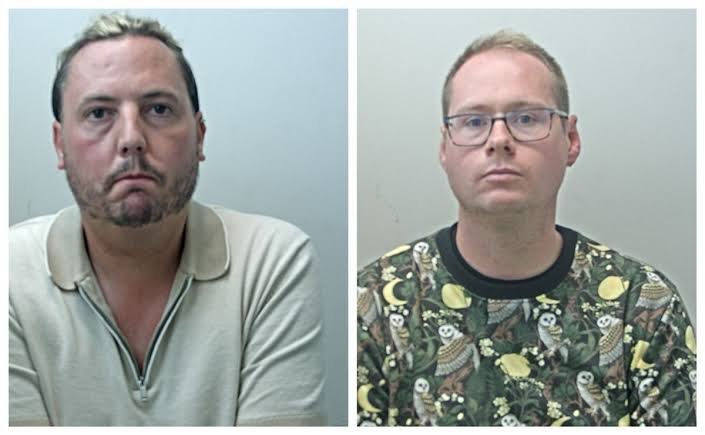
The tragic case of Preston Davey, a 13-month-old boy who died after being subjected to months of abuse in the home of the couple who had adopted him, has ended with two men convicted and sentenced following one of the most disturbing child-protection cases to reach Preston Crown Court in recent years.
Preston Elijah Davey was just five days old when he was placed into emergency foster care in June 2022. During the first nine months of his life, he was described by health professionals and his foster carers as a healthy, happy and affectionate baby. His foster carers had cared for him from the earliest days of his life and had reportedly watched him develop into a cheerful young child.
In March 2023, an adoption panel approved Jamie Varley and John McGowan-Fazakerley as Preston’s adoptive parents. The couple subsequently welcomed the baby into their home in Blackpool, Lancashire, with Preston spending his first night with them on March 31. What followed was a period of less than four months in which, according to the evidence presented at trial, Preston was repeatedly physically and psychologically abused and sexually exploited before his death on July 27, 2023.
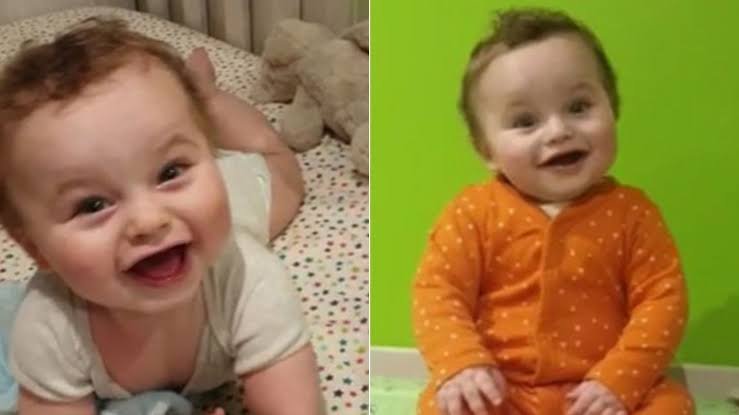
The case eventually revealed a devastating contrast between the child described by his former foster carers and the condition in which he was found after his final medical emergency. Investigators recovered photographs and videos from the mobile phones of Varley and McGowan-Fazakerley that documented injuries and other abusive treatment during the months Preston was in their care. Some of the material showed bruising and injuries that medical experts later considered evidence of non-accidental harm.
Lancashire Police said that within weeks of Preston moving into the couple’s home, Varley had sent messages to friends indicating that he found caring for the child difficult and that he was struggling to cope. Investigators later recovered material from Varley’s phone showing that he had begun recording images and videos of Preston in April 2023. Some of those files were indecent images and videos, while others showed evidence of physical injury.
The evidence presented during the trial painted a picture of escalating abuse. In May 2023, McGowan-Fazakerley contacted emergency services after Preston experienced breathing difficulties and appeared unable to hold his head properly. A 999 call was abandoned after only a few seconds, and a later call to the non-emergency medical service was made. Although an out-of-hours medical assessment was arranged, the appointment was not followed through and the child’s condition was not subsequently reported to the health visitor in the way that might have prompted further intervention.
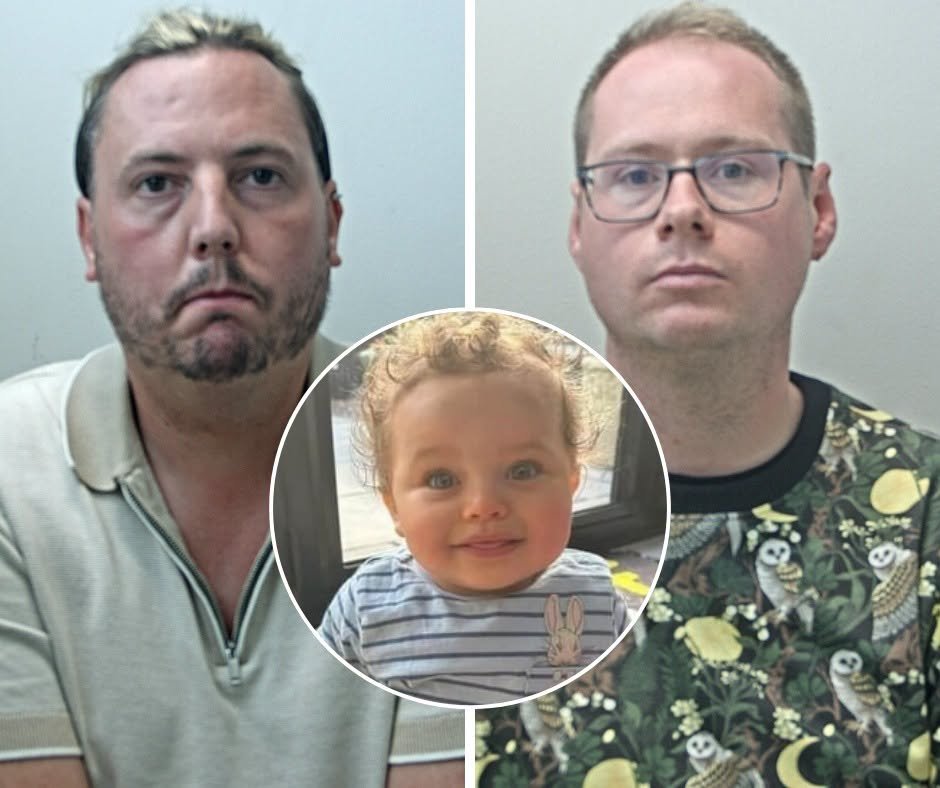
Later evidence showed that Preston repeatedly suffered injuries while living with the defendants. On May 25, he was taken to Blackpool Victoria Hospital after Varley said the child had breathing difficulties and had suffered a seizure. Hospital staff contacted police and safeguarding personnel, although at that stage medical staff did not identify concerns about a potential non-accidental injury. Investigators later discovered photographs from the period showing bruising to Preston’s head.
The child returned to hospital again in June after suffering additional problems. On July 6, he was taken to hospital with a fractured arm. The explanations given for the injury varied. Varley reportedly gave different accounts to medical professionals, friends and social workers about how the injury had occurred. That inconsistency later became part of the prosecution’s case.
The investigation also uncovered videos showing Preston being subjected to disturbing treatment. In one series of recordings made in July, Varley was seen spinning the child on a playground ride at excessive speed while Preston appeared distressed. Other recordings showed Preston being left in situations that presented obvious risks to such a young child.
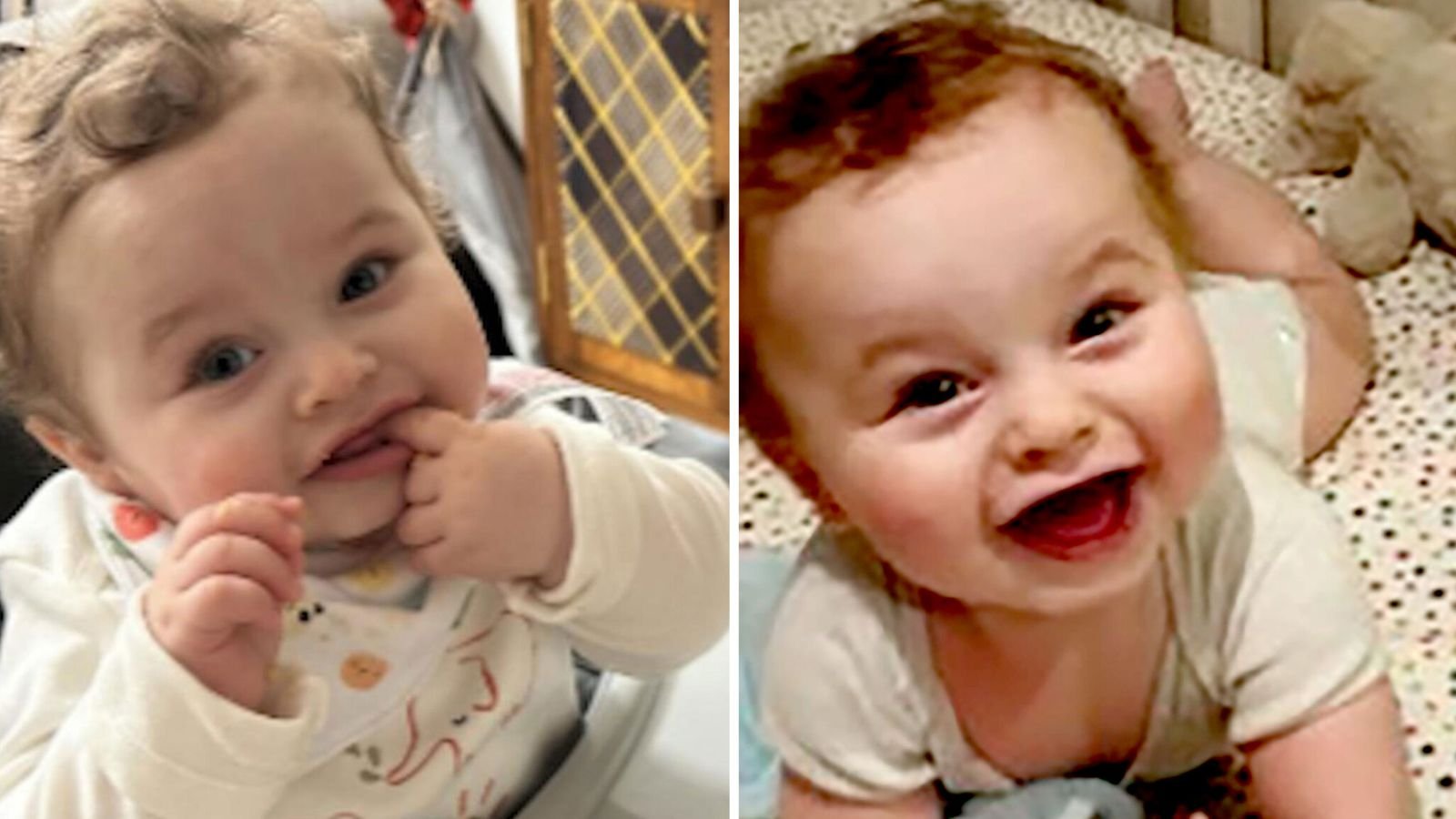
The prosecution argued that the abuse escalated further during the final days of Preston’s life. Evidence presented to the court showed that both men were involved in sexual abuse of the child. Investigators recovered material from their phones and other evidence that prosecutors said demonstrated the abuse.
On July 24, only three days before Preston’s death, Varley recorded a video in which the toddler was left alone in a bath for more than 14 minutes. Preston was not secured in a bath seat and appeared distressed as he attempted unsuccessfully to get out.
Three days later, on July 27, the situation became fatal.
At approximately 4:45 p.m., Varley recorded a video showing Preston lying on a bed and struggling to breathe. The prosecution alleged that the child had suffered a sexual assault earlier that day and subsequently suffered another assault that obstructed his airway.
Preston was eventually taken to hospital by Varley and McGowan-Fazakerley. He arrived unconscious and in cardiac arrest at approximately 6:24 p.m. Medical staff attempted to save him, but the child was pronounced dead at 7:20 p.m.
The explanation initially provided by Varley was that Preston had drowned in the bath. Varley told investigators that he had briefly left the child while he changed clothes and returned to discover him submerged. He maintained during the trial that this was what happened and denied deliberately killing or sexually abusing Preston.
However, the medical evidence did not support the drowning explanation.
A Home Office postmortem examination found that Preston had suffered approximately 40 traumatic injuries during the period he was in the care of Varley and McGowan-Fazakerley. The injuries included numerous external bruises as well as internal injuries. The examination also identified a healing fracture to Preston’s upper arm that was determined to be non-accidental.
Medical experts concluded that drowning was not the cause of Preston’s death. Prosecutors argued that the fatal injury involved an obstruction of the child’s upper airway and that the injuries were connected to the abuse he had suffered.
Varley rejected the allegations throughout the proceedings. When questioned by prosecutors, he denied deliberately obstructing Preston’s airway and denied ever sexually assaulting the child. He also rejected the prosecution’s characterization of Preston as a “plaything” and insisted that the allegations against him were false.
McGowan-Fazakerley also denied the allegations against him. His defense centered in part on the argument that he had trusted Varley and had failed to recognize the extent of what was happening to Preston. During his evidence, he acknowledged that his trust in his partner had been misplaced.
The jury ultimately rejected the defendants’ accounts.
After a trial lasting approximately seven weeks, Jamie Varley was found guilty on June 15, 2026, of murdering Preston Davey. He was also convicted of seriously assaulting Preston on an earlier occasion, multiple child-cruelty offences and offences involving the possession and distribution of indecent images of a child.
John McGowan-Fazakerley was found guilty of causing or allowing Preston’s death. He was also convicted of two child-cruelty offences and a sexual-assault offence.
The convictions brought to an end a case that had begun nearly three years earlier when emergency services were called after Preston collapsed.
The sentencing was particularly severe. Varley received a whole-life order, meaning he will spend the remainder of his life in prison and will not be eligible for release on parole. McGowan-Fazakerley was sentenced to 25 years in prison.
The court heard that the abuse had occurred over a relatively short period. Preston entered the defendants’ care as a young and apparently healthy baby and died less than four months later after sustaining numerous injuries.
The case has also raised wider questions about the protection of children placed for adoption and whether warning signs were missed during the months before Preston’s death. The evidence showed that Preston had contact with medical professionals on several occasions, including hospital visits for breathing difficulties, bruising and a fractured arm. However, investigators did not receive the information that ultimately emerged from the defendants’ phones until after Preston had died.
One particularly important part of the investigation was the digital evidence. Photographs, videos and messages stored on mobile phones helped investigators reconstruct what had happened during the months before Preston’s death. Material that might initially have appeared isolated became significant when investigators examined it alongside medical records, witness statements and the postmortem findings.
The evidence also helped establish a timeline of Preston’s injuries and treatment. Rather than relying solely on statements from the defendants about accidents, detectives were able to compare those explanations with photographs, videos, hospital records and forensic findings.
That evidence proved crucial to the prosecution’s case.
The circumstances surrounding Preston’s early childhood make the outcome particularly painful. He had spent the first months of his life with foster carers who described him as a happy and healthy child. He was then approved for adoption and placed with Varley and McGowan-Fazakerley, who had gone through the formal adoption process and presented themselves as a couple ready to raise a child.
Within months, however, Preston was dead.
The court proceedings also revealed that the abuse was not limited to the day of his death. According to prosecutors and the evidence accepted by the jury, Preston suffered repeated physical and psychological cruelty as well as sexual abuse throughout the time he lived with the defendants.
His death was therefore not treated by the court as an isolated tragedy or a single unexplained medical emergency. It was the culmination of a sustained period of abuse that investigators were able to reconstruct through forensic evidence and digital records.
Lancashire Police described the convictions as the result of an extensive investigation involving detectives, medical professionals, digital investigators and child-protection specialists. The force emphasized the scale of the evidence gathered and the importance of recovering material from the defendants’ phones.
For Preston’s family, the conclusion of the trial could never undo what happened to the child, but the convictions established criminal responsibility for his death and the abuse he suffered.
His birth mother, Sarah Davey, delivered an emotional statement in court after the convictions. She told the men responsible that she would never forgive them for what had happened to her son.
The case has also left a lasting impact on those who knew Preston before his adoption. The child had been described as bright, happy and affectionate during his time with his foster carers. His death therefore represented an enormous transformation in circumstances that had once appeared to offer him a safe and permanent home.
The evidence heard in court showed how quickly that situation deteriorated.
The final verdicts now provide a legal conclusion to the criminal case. Jamie Varley has been convicted of murder and sentenced to spend the rest of his life behind bars. John McGowan-Fazakerley has been convicted of causing or allowing Preston’s death and related offences and has received a substantial prison sentence.
But the case continues to prompt questions beyond the convictions themselves. The tragedy has drawn attention to the responsibility of adults entrusted with vulnerable children, the importance of recognizing repeated injuries, and the role that digital evidence can play in exposing abuse that may otherwise remain hidden.
Preston Davey’s life lasted only 13 months, and his time with his adoptive parents lasted less than four months. Yet the evidence presented at court showed that the harm he experienced during those months was extensive and repeated.
His story is now remembered not simply as the case of a child who died in an unexplained accident, but as the case of a vulnerable baby whose death was ultimately found to have followed sustained abuse.
After years of investigation and a lengthy trial, the jury reached its verdict.
For Preston, there can be no second chance and no possibility of recovery. For his family, however, the convictions provide a definitive legal acknowledgment of what happened to him.
And for the wider child-protection system, the case stands as a stark reminder that the most vulnerable children can depend entirely on adults around them to recognize when something is wrong—and to act before it is too late.
Sources : https://www.blackpoolgazette.co.uk/