An Oklahoma criminal case that sparked months of anger and debate has officially come to an end, but the controversy surrounding Jesse Mack Butler is far from over. The former Stillwater teenager, who faced a lengthy prison sentence after being accused and ultimately convicted in connection with violent sexual assaults involving two teenage girls, is now free after completing the terms of a controversial youthful-offender agreement.
Butler’s case reached its latest and final state-court stage on August 3, just one day before his 19th birthday. Because of the way Oklahoma’s Youthful Offender Act operates, the court’s authority over him ended when he reached that age. After determining that Butler had complied with the requirements imposed under the agreement, the court dismissed the remaining criminal case rather than sending him to prison.

The outcome has generated renewed outrage from the victims’ families and their attorneys, particularly because Butler had originally faced the possibility of decades behind bars. His case was initially filed with multiple felony charges stemming from allegations made by two former teenage girlfriends. Those charges included rape-related offenses, sexual battery, forcible oral sodomy, domestic assault and battery by strangulation, and other serious allegations. Prosecutors originally indicated that the combined maximum punishment could have reached approximately 78 years.
Instead, Butler ultimately entered a no-contest plea as a youthful offender. Under the agreement, he avoided an adult prison sentence and was placed under court supervision with requirements that included counseling and community service. He was ordered to complete 150 hours of community service and comply with the conditions imposed by the court. Once those requirements were completed and he reached the statutory age at which the youthful-offender jurisdiction ended, the case was dismissed.

The conclusion of the case became especially contentious because of what happened inside the courtroom during the final hearing. Newly elected Payne and Logan County District Attorney Jeremiah Gregory sharply criticized statements made by Butler’s defense team, arguing that the defense had gone beyond simply representing its client and had made assertions that unfairly attacked the credibility of the victims.
Gregory did not prosecute the original case and was not the prosecutor who negotiated Butler’s youthful-offender resolution. He took office after the original proceedings had already taken place. Nevertheless, he inherited the final stages of a case that had become one of the most controversial criminal matters in the Stillwater area. During the August hearing, Gregory made clear that he strongly disagreed with the way the defense characterized the underlying allegations and the victims.
The district attorney also pointed to a significant legal obstacle: because Butler’s case had already been resolved through the previous plea arrangement, the state cannot simply reopen the same prosecution and try him again on the same charges. The constitutional protection against double jeopardy limits the government’s ability to prosecute someone twice for the same offense after a final judgment.
That limitation is one reason Gregory said he intends to refer aspects of the matter to federal authorities for review. A federal investigation would not automatically mean Butler would face new criminal charges, and it would not overturn the state-court disposition. Any federal action would depend on whether federal prosecutors believe they have jurisdiction and sufficient evidence to pursue an independent federal offense.
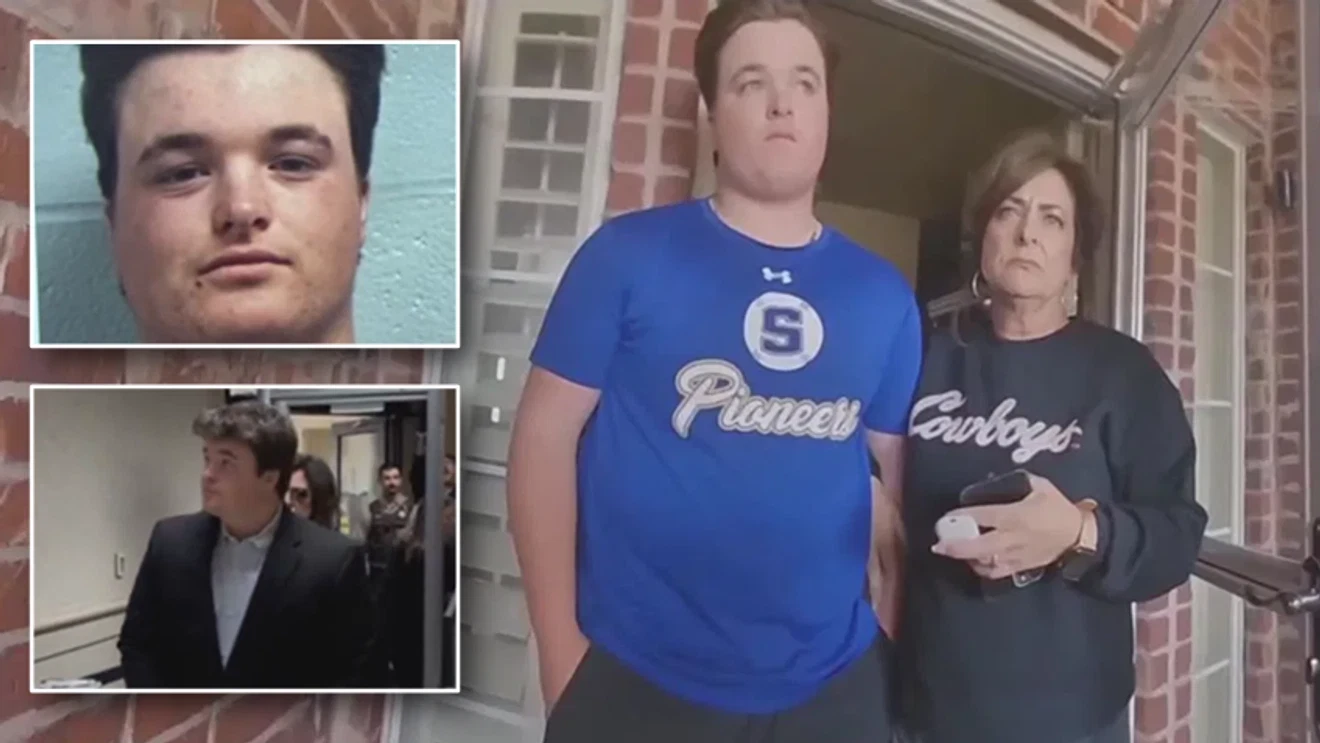
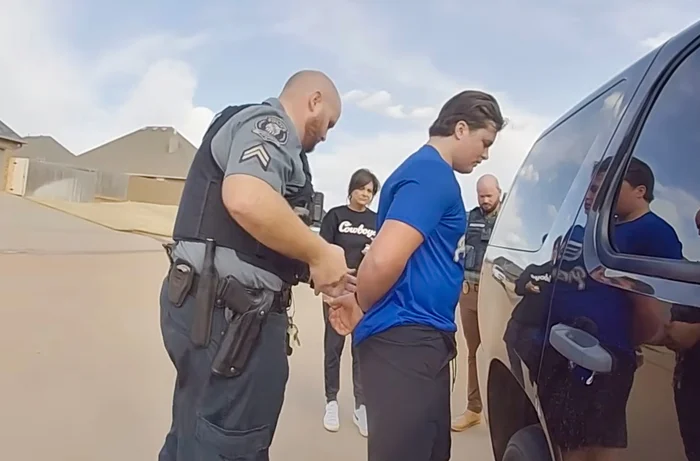
The controversy began long before the final hearing. Butler was arrested in March 2025 after two girls who had previously dated him reported that they had been sexually and physically abused. Investigators examined allegations involving multiple incidents. According to previously reported court and police records, the accusations included claims that Butler used physical force to compel sexual activity and that one victim was strangled during an assault.
The investigation became particularly disturbing because authorities obtained video evidence that prosecutors said was relevant to the allegations. Attorneys representing one of the victims have pointed to footage that they say captured Butler strangling the girl. The existence and significance of that evidence became a major point of discussion as the case progressed and as questions arose about how such serious allegations could ultimately result in no prison sentence.
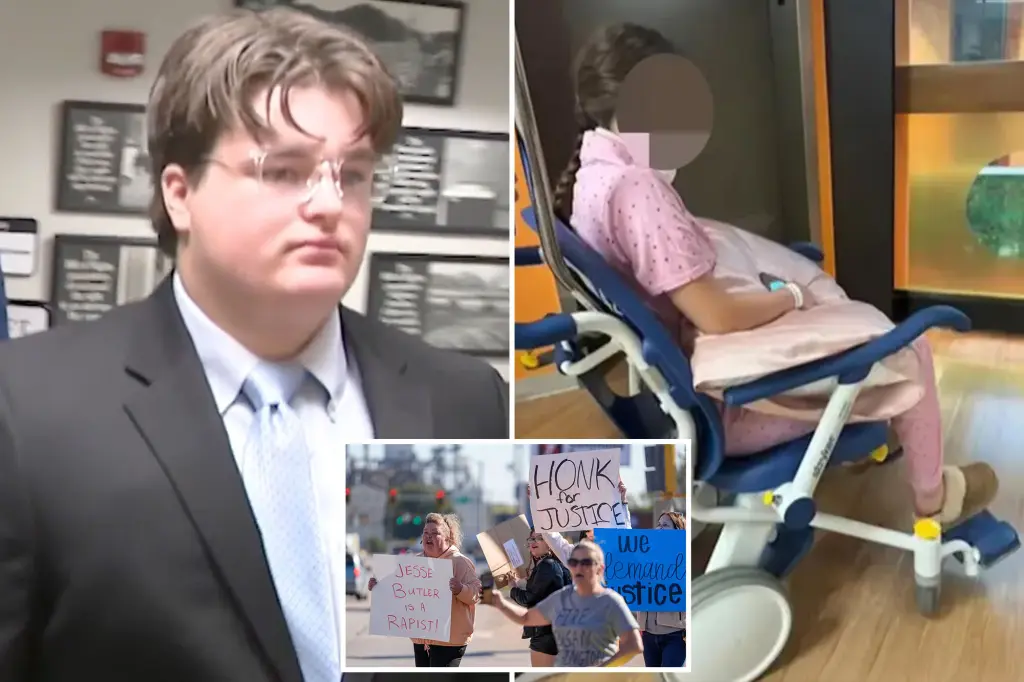
The victims and their families have consistently maintained that the punishment did not reflect the severity of what they experienced. Their accounts described not only the immediate physical consequences of the assaults but also lasting emotional and psychological effects. The families have argued that the legal process failed to adequately recognize the harm caused to the girls and that they were not given the level of participation and consideration they expected as crime victims.
The controversy also became connected to Oklahoma’s system for dealing with defendants who commit serious crimes while under the age of 18. Butler was 17 when the offenses occurred. Although he was initially prosecuted in adult court, his case was ultimately resolved under the state’s youthful-offender framework.
The law is designed to give courts additional options for young offenders and emphasizes rehabilitation rather than automatically imposing adult prison sentences. Supporters of such laws argue that teenagers have greater potential for rehabilitation and should not necessarily be subjected to decades in prison for crimes committed before adulthood. Critics, however, contend that the system becomes deeply problematic when applied to violent offenses involving sexual assault, particularly when there is substantial evidence of repeated or serious conduct.
That debate has been central to the public reaction to Butler’s case.
For many people following the case, the most difficult aspect is the contrast between the original potential sentence and the ultimate outcome. Butler once faced the possibility of spending decades in prison. Instead, his punishment centered on rehabilitation, counseling, supervision and community service, allowing him to remain outside prison and ultimately walk free once the youthful-offender period ended.
The outcome has also raised questions about prosecutorial discretion. The agreement that allowed Butler to avoid a lengthy prison sentence was reached before Gregory became district attorney. That means the newly elected prosecutor did not make the original decision to resolve the case in this manner. His criticism has instead focused on what occurred during the final proceedings and on statements made by the defense after the agreement had already been reached.
That distinction is important because online discussions have sometimes incorrectly portrayed Gregory as the official responsible for the original plea agreement. He was not. His role began after the earlier prosecution and negotiated resolution were already underway or completed.
The victims themselves have pursued legal avenues outside the criminal case. Earlier in 2026, attorneys representing the victims challenged aspects of the proceedings and argued that their rights under Oklahoma’s victims’ rights protections had not been properly respected. They claimed, among other things, that they had not been adequately informed or included in the plea process.
A Payne County judge later rejected those claims, finding that the victims had not established that their legal rights had been violated. That ruling represented another setback for the families, who have continued to argue that the handling of the case did not provide them with the fairness and dignity they believed they were entitled to receive.
The case has also prompted broader questions about whether Oklahoma’s youthful-offender laws are appropriate for serious violent crimes. Critics argue that a system intended to give young people a second chance should not result in a defendant convicted of grave sexual offenses leaving the justice system without serving any time in prison.
Supporters of rehabilitation-based sentencing counter that the law exists precisely because juvenile offenders are legally and developmentally different from adults. They argue that the Legislature, not individual prosecutors or judges, ultimately determines the framework under which youthful offenders are sentenced.
The Butler case has placed that policy debate directly in the public spotlight.
The controversy was further intensified by Butler’s family background. His father, Doug Butler, previously held a football operations position at Oklahoma State University, and critics of the case have questioned whether Butler’s family connections played any role in the favorable resolution. Those claims have circulated widely, but there has been no established finding that his family’s connections caused the youthful-offender agreement or otherwise improperly influenced the court.
It is important to distinguish allegations and public suspicion from facts established in court. The criminal case itself ended under the terms of the youthful-offender arrangement, and no court has determined that Butler received the outcome because of his family’s influence.
What is not disputed is that the case has become a source of deep frustration for the victims and their families.
One victim’s family has publicly described the outcome as a profound failure of justice, while another has emphasized the long-term consequences of the trauma. Their attorneys have argued that the evidence presented during the case should have resulted in a much more serious punishment.
The final hearing also demonstrated how sharply the two sides continue to disagree. Butler’s defense maintained its position concerning the underlying allegations and portrayed its client in a way that drew a strong response from Gregory. The district attorney accused the defense of making misleading assertions about the victims and their accounts.
Gregory’s response was unusually forceful because the state no longer had the ability to simply retry Butler. With the criminal case effectively closed, the prosecutor’s options are limited. His stated plan to refer the matter for federal review is therefore significant, although it remains uncertain whether federal authorities will take action.
A federal review would require an independent legal basis for prosecution. Federal prosecutors cannot simply substitute themselves for state prosecutors because they disagree with the outcome of a state criminal case. Any federal case would have to involve an offense within federal jurisdiction and satisfy the applicable evidentiary and legal requirements.
Meanwhile, Butler is no longer subject to the youthful-offender supervision that governed his case. His state criminal proceedings have ended, and the court’s jurisdiction under the youthful-offender framework expired when he reached the statutory age limit.
That reality has left the victims and their families facing a conclusion they say is difficult to accept: despite the severity of the allegations and the criminal convictions resulting from Butler’s no-contest plea, he will not serve a traditional prison sentence for the conduct at issue in the state case.
The story is therefore no longer simply about one teenager and one controversial plea agreement. It has become a larger debate over how the justice system handles young offenders, how victims participate in plea negotiations, how prosecutors exercise discretion, and whether rehabilitation should outweigh punishment when the underlying crimes involve severe violence.
For the victims, however, the legal arguments are secondary to the personal consequences. They have spent years dealing with the aftermath of what they say happened to them, and the conclusion of the criminal case does not erase those experiences.
For Gregory, the immediate challenge is determining whether anything legally actionable remains after the state case has ended. His criticism of the defense may have brought renewed attention to the case, but his ability to change Butler’s state sentence is constrained by the finality of the prior proceedings and constitutional protections against double jeopardy.
The federal referral could become the next major development, but it is too early to know whether it will lead to an investigation, additional charges, or no further action at all.
For now, Jesse Butler is free, the state criminal case is closed, and the victims’ families are left with a result they have repeatedly described as unacceptable. The controversy surrounding the case, however, is unlikely to disappear. It has already become a flashpoint in Oklahoma’s debate over youthful-offender sentencing and victims’ rights, while the newly elected district attorney’s decision to seek federal review ensures that the legal questions surrounding the case may continue to receive attention.
What happens next will depend largely on whether federal authorities identify a separate basis for action and whether lawmakers respond to the criticism surrounding Oklahoma’s youthful-offender system.
Until then, the final state-court ruling stands: Butler completed the requirements imposed under his youthful-offender agreement, reached the statutory age limit, and had the case dismissed. The victims’ families may continue pursuing civil remedies and other legal options, while Gregory’s office can seek review from federal authorities, but the original state prosecution itself has reached its legal conclusion.
Sources: https://nypost.com