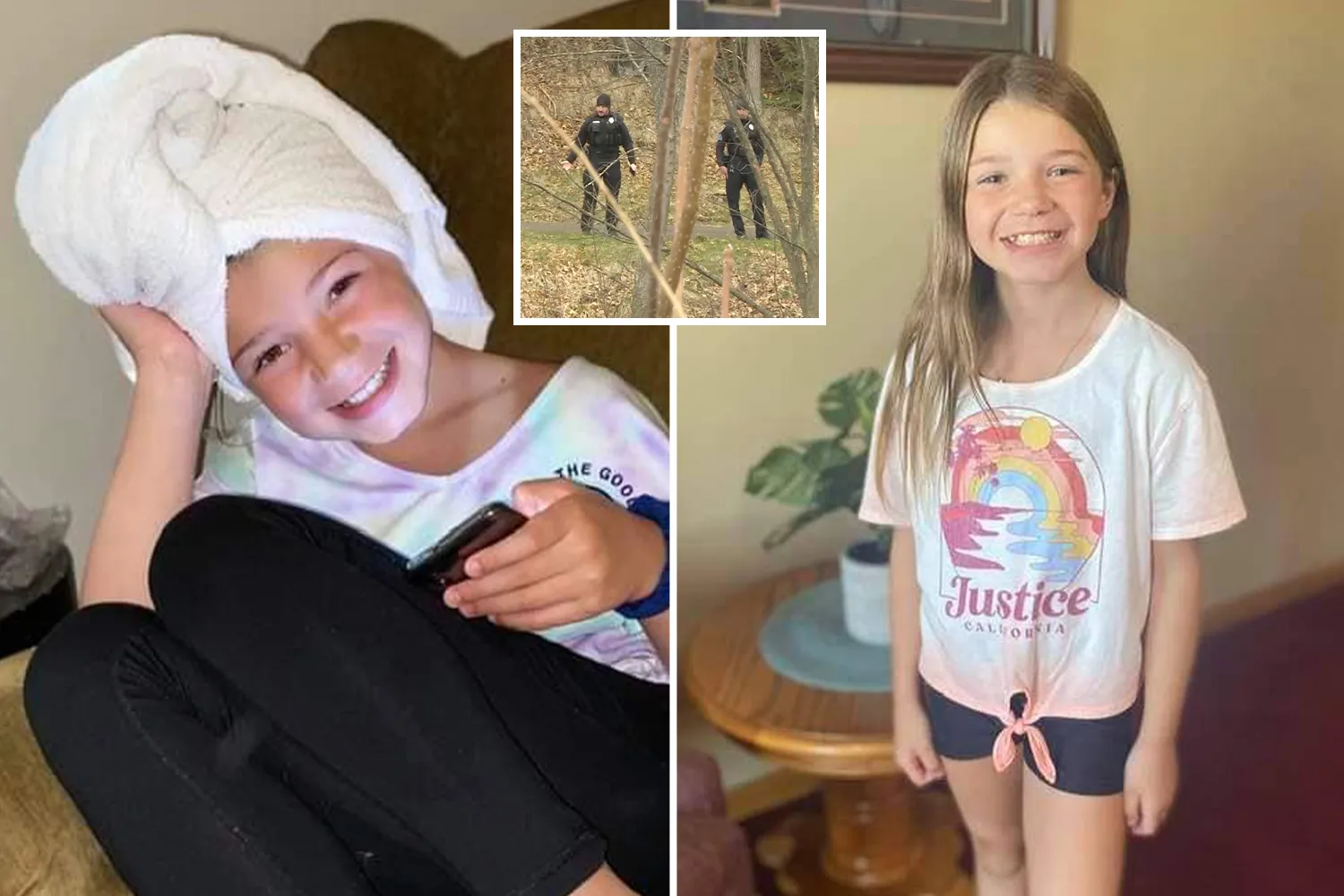
More than four years after the shocking death of 10-year-old Lily Peters in Chippewa Falls, Wisconsin, the criminal case against the teenager accused of killing her has taken an unexpected turn. Carson Peters-Berger, who was 14 years old when Lily was killed, had been scheduled to stand trial as an adult later this year. That trial, however, will no longer take place as originally planned, with the court now scheduled to hold a resolution hearing on August 26, 2026.
The sudden change has brought renewed attention to one of Wisconsin’s most closely watched juvenile homicide cases. Peters-Berger is accused of killing his 10-year-old cousin in April 2022 after allegedly luring her away from a walking trail. He was subsequently charged as an adult with first-degree intentional homicide and two counts of first-degree sexual assault. Because of the severity of the allegations and the circumstances surrounding Lily’s death, prosecutors successfully argued that the case should remain in adult court despite the defendant having been only 14 at the time of the alleged crimes.

Lily, whose full name was Liliana “Lily” Peters, disappeared on the evening of April 24, 2022, after visiting her aunt’s home in Chippewa Falls. When she failed to return home, her family reported her missing and an extensive search began. Her bicycle was later found near a trail, and her body was discovered the following morning in a wooded area not far from where the bicycle had been located.
The discovery transformed what had initially been a missing-child investigation into a homicide investigation. Authorities determined that Lily had suffered fatal injuries, and an autopsy concluded that her death was a homicide involving blunt-force trauma and strangulation.
Investigators soon focused on Peters-Berger, who was related to Lily and had been with her around the time she disappeared. According to the criminal complaint, investigators obtained a detailed account from the teenager in which he admitted taking Lily away from the trail and attacking her. Prosecutors alleged that he had intended to sexually assault and kill her. The complaint also described his alleged actions after the killing, including returning to the area and attempting to conceal the body.
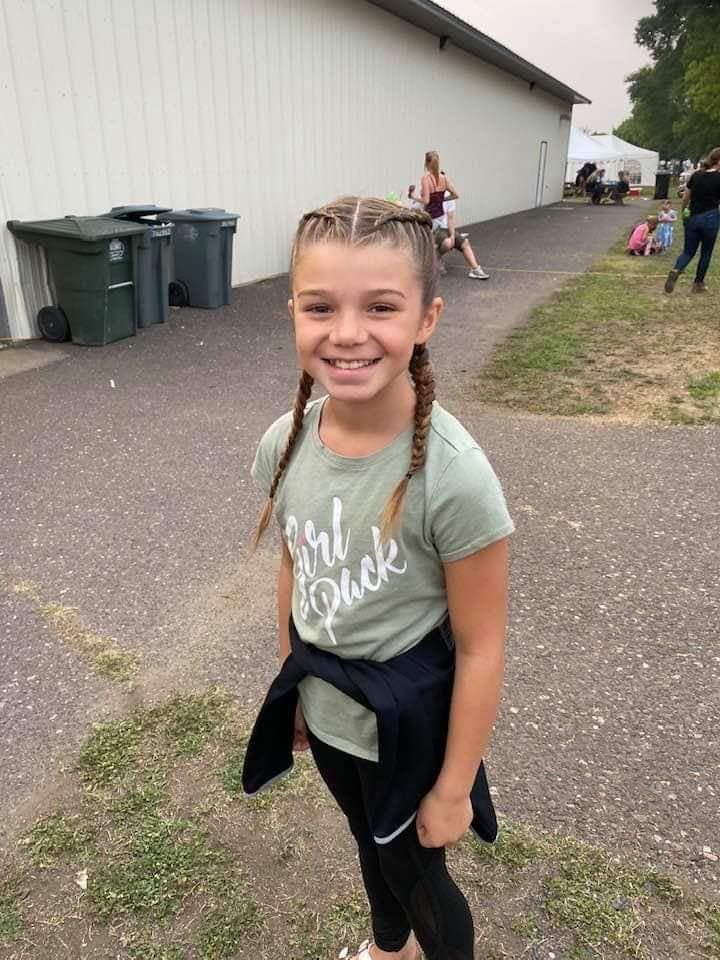
The allegations shocked the local community not only because of the brutality of the crime but also because of the ages of both children. Lily was only 10, while Peters-Berger was 14 when the killing occurred. The case immediately raised difficult questions about how the justice system should handle a teenager accused of an exceptionally serious violent crime.
Peters-Berger was initially placed in juvenile detention and faced a $1 million bond. His defense team repeatedly challenged the decision to prosecute him as an adult, arguing that his age should be taken into consideration and that the case belonged in the juvenile system. Prosecutors took the opposite position, arguing that the seriousness of the alleged offenses justified adult prosecution.
After years of legal proceedings and delays, a Wisconsin court ultimately determined that Peters-Berger would remain in adult court. That decision meant he could face substantially more severe consequences than he would have faced in the juvenile system if convicted.

The case then moved toward a trial that was expected to take place in November 2026. Preparations included efforts to find an appropriate jury pool and address the extensive publicity surrounding Lily’s death. Because the case received enormous attention in Wisconsin and nationally, the court had already considered measures intended to reduce the potential influence of pretrial publicity on jurors.
Now, however, the anticipated trial has been taken off the calendar.
According to the latest report, rather than proceeding to a jury trial in November, the court is scheduled to hold a resolution hearing on August 26. Details surrounding the resolution remain sealed, meaning the public does not yet have a complete explanation of what agreement, legal development or other outcome prompted the change in the schedule.

That lack of publicly available information is important. The cancellation of the scheduled trial does not, by itself, establish that Peters-Berger has been acquitted, that prosecutors have dropped the charges, or that he has been found not guilty. The August 26 hearing is expected to provide more information about how the case will proceed.
The development is especially significant because the allegations against Peters-Berger have never been tested through the full trial process. Although prosecutors have described evidence and investigators obtained statements from the defendant, a criminal conviction requires the state to prove its case under the applicable legal standard.
For Lily’s family and those who have followed the case since 2022, the new development may therefore create fresh uncertainty. A trial had represented a potential public examination of the evidence, including testimony from witnesses, forensic evidence and the circumstances surrounding Lily’s final hours. With that trial no longer scheduled as originally planned, attention has shifted toward the upcoming resolution hearing and whatever information the court may make public afterward.
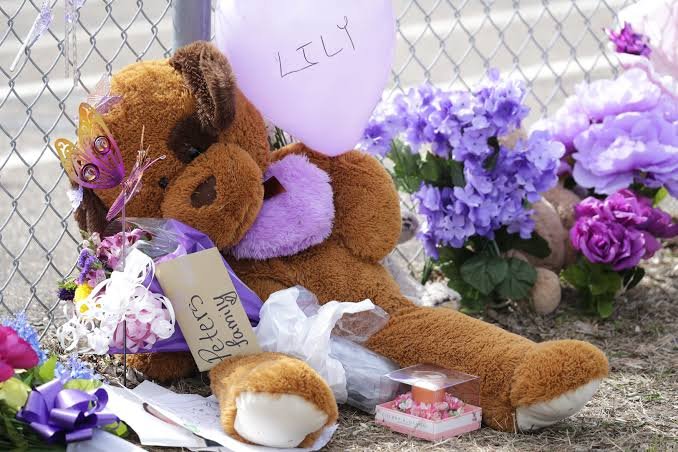
The case began with an urgent search for Lily after she failed to come home. Her disappearance quickly mobilized local authorities and community members, with residents searching roads, trails and wooded areas around Chippewa Falls. The following morning, investigators found her body, bringing an agonizing end to the search.
The investigation then progressed rapidly. Peters-Berger was arrested days later and became the central suspect. Authorities said evidence and his statements connected him to the crime. Prosecutors later alleged that he had deliberately taken Lily away from the trail before attacking her.
Those allegations have remained at the heart of the prosecution’s case.
The decision to prosecute Peters-Berger as an adult was itself a major legal development. Wisconsin law permits certain serious offenses committed by juveniles to be handled in adult court, and prosecutors argued that the nature of Lily’s killing warranted that approach. The defense sought to have the case returned to juvenile court, but the court ultimately rejected that effort.
The adult-court decision meant that the case could potentially result in a much longer period of incarceration if Peters-Berger were convicted. It also reflected the difficult balance courts face when a defendant is a child accused of committing an extraordinarily serious crime against another child.
The passage of time has made the case even more unusual. Lily was killed in 2022, and the legal proceedings have continued for years. The defendant was only 14 at the time of the alleged offenses, but he is now an adult. The lengthy proceedings have included arguments over jurisdiction, evidence, trial arrangements and the appropriate legal forum.
Throughout the case, Lily’s identity has remained central to the community’s memory. Friends, relatives and residents of Chippewa Falls have remembered her as a young girl whose life was cut short under circumstances that devastated her family.
The case also received national attention because of the disturbing circumstances alleged by prosecutors and because the accused and victim were cousins. The relationship between the two made the allegations particularly difficult for the community to process.
As the August 26 resolution hearing approaches, the most important unanswered question is what exactly will happen to the criminal case. The court’s decision could clarify whether the matter will be resolved through a plea agreement, another legal proceeding, or a different outcome. Until the hearing takes place and the court releases additional information, speculation about the final result should be treated cautiously.
What remains established is that Lily Peters was killed in April 2022, that prosecutors charged Peters-Berger in connection with her death and the alleged sexual assaults, and that he was ultimately placed in adult court. The case was expected to proceed to trial in November 2026, but that trial has now been removed from the schedule.
For Lily’s family, the legal process has lasted far longer than anyone could have imagined when she disappeared from a Chippewa Falls neighborhood more than four years ago. The upcoming hearing could mark one of the most consequential moments in the case since the decision to prosecute Peters-Berger as an adult.
Until then, the public is left with a case that has already taken several unexpected turns. A missing-child investigation became a homicide case. A 14-year-old suspect was moved into the adult criminal justice system. A trial was scheduled after years of legal proceedings. And now, just months before that trial was expected to begin, the court has announced that it will instead consider a resolution behind a process whose details remain sealed.
The August 26 hearing should provide a clearer picture of what comes next. Until the court makes those details public, however, it is important to distinguish between what has been alleged by prosecutors, what the defendant has been accused of, and what has actually been established through a final judicial outcome.
Lily Peters’ death remains one of the most painful cases in Chippewa Falls’ recent history, and the next stage of the proceedings will determine how the long-running legal battle over her death moves forward.
Sources: https://nypost.com