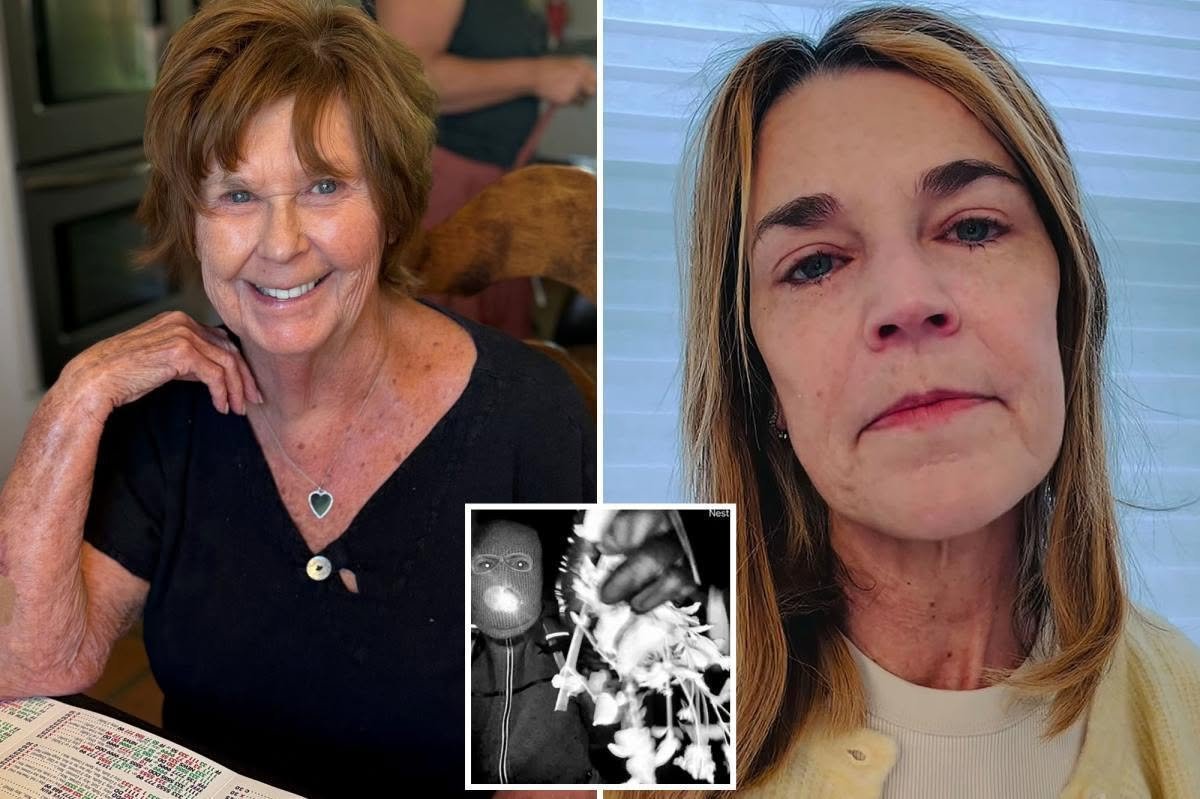
Six months after Nancy Guthrie vanished from her Arizona home, investigators have taken an unusual step in the effort to determine what happened to the 84-year-old mother of TODAY anchor Savannah Guthrie: authorities have released two ransom letters connected to the case, including a second message in which the writer claims that Nancy died shortly after being abducted.
The release has provided the public with a much clearer look at the communications investigators received in the days following Nancy’s disappearance. At the same time, it has raised new questions about the credibility of the person who wrote the letters, what the writer actually knew about Nancy, and whether the messages could ultimately help authorities identify whoever was responsible for her disappearance.

The Pima County Sheriff’s Department released the letters after keeping their contents largely out of public view for months. Investigators are now asking members of the public to pay close attention not only to the handwriting but also to the unusual wording, spelling, grammar and phrases used throughout the messages. Detectives believe that someone who knows the writer personally could potentially recognize the way that person communicates.
The timing of the release is significant because the case remains unresolved. Nancy disappeared from her home in the Tucson area in late January, and investigators have not publicly identified a suspect. No body has been recovered, and authorities have not officially confirmed that Nancy is dead. The second ransom letter’s claim that she died is therefore being treated as a statement made by the writer, not as an established finding by investigators.

The first letter presented a very different scenario. It claimed that Nancy was alive and being held for ransom. The writer demanded millions of dollars in cryptocurrency and gave the family a deadline for payment. The message threatened that Nancy would be killed if the ransom was not paid.
The letter also contained information about Nancy and her home that had not been widely disclosed at the time. That detail became particularly important to investigators because it suggested that whoever wrote the message may have had knowledge of circumstances surrounding Nancy’s disappearance that would not necessarily have been available to an ordinary member of the public.
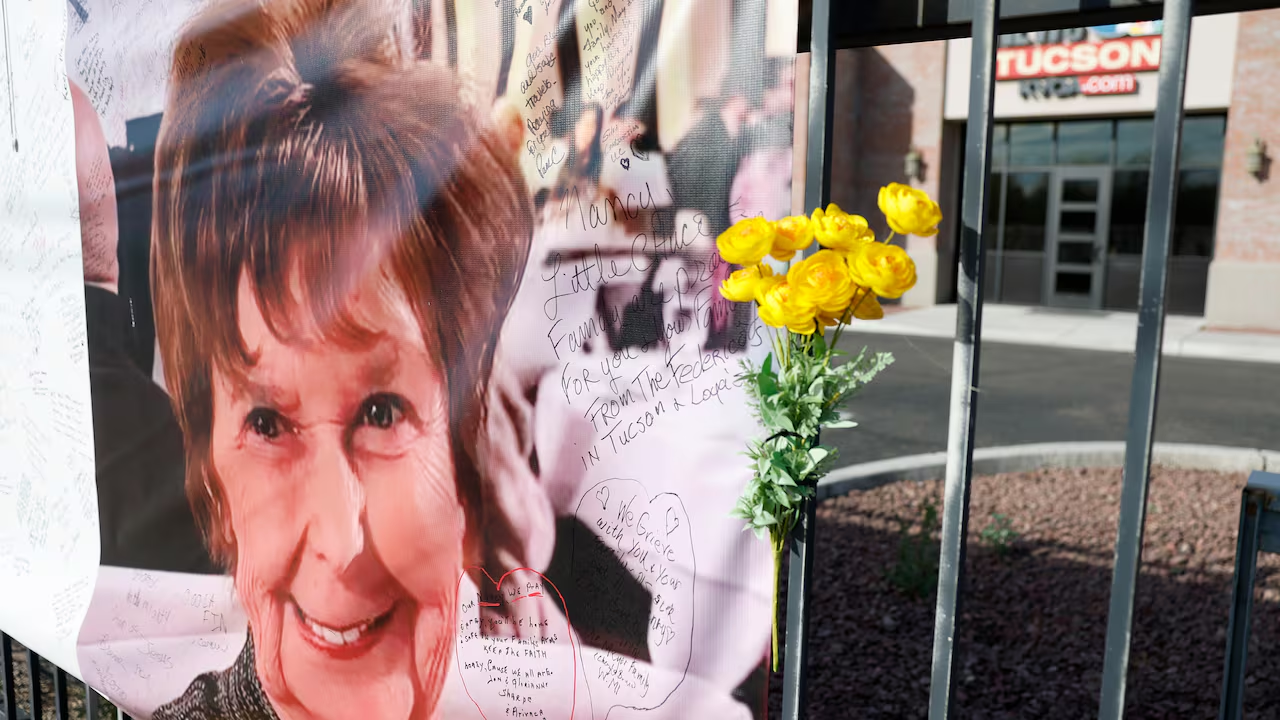
The communication reportedly demanded an initial ransom of $4 million in Bitcoin, with the amount increasing if the family’s demands were not met. The writer claimed that Nancy would eventually be released at a location in Tucson after payment was received. The message also warned the family against involving law enforcement.
Several days later, a second letter arrived, and its contents changed the picture dramatically.
Instead of repeating the claim that Nancy was alive and awaiting a ransom payment, the second message stated that she had died shortly after being taken. The writer claimed that Nancy suffered from an undisclosed heart condition and suggested that the person responsible had not realized how serious her physical condition was. The message portrayed her death as unintended and claimed that her remains had been left somewhere described by the writer as being “buried in nature.”
That statement has never been independently verified.
The authorities have not located Nancy’s remains, and there has been no public forensic evidence confirming the explanation offered in the letter. Investigators therefore continue to treat the circumstances of her disappearance as an active criminal investigation rather than accepting the writer’s account as fact.
The release of the letters has also highlighted an unusual aspect of the case: investigators appear to believe that the communications deserve serious attention even though they have not publicly established who wrote them.
That distinction is important. A ransom note can contain genuine information, fabricated claims, or a mixture of both. A person responsible for a crime may provide accurate details in an attempt to demonstrate credibility, while other parts of the message may be deliberately misleading. Investigators therefore have to determine which information can be independently corroborated.
The sheriff’s department’s decision to release the letters appears to be partly driven by the possibility that someone outside the investigation may recognize the writer. Rather than simply asking whether the handwriting looks familiar, authorities are encouraging people to consider the language itself. A particular combination of spelling mistakes, sentence construction, expressions or unusual word choices could potentially provide investigators with a lead.
That strategy appears to have produced at least some response.
According to the latest reporting, investigators have seen an increase in tips since the letters were released, although authorities have described the rise as relatively modest. Even so, detectives continue to encourage people to come forward if they recognize something in the letters or have information about Nancy’s disappearance.

The public release has also prompted renewed scrutiny of the investigation itself.
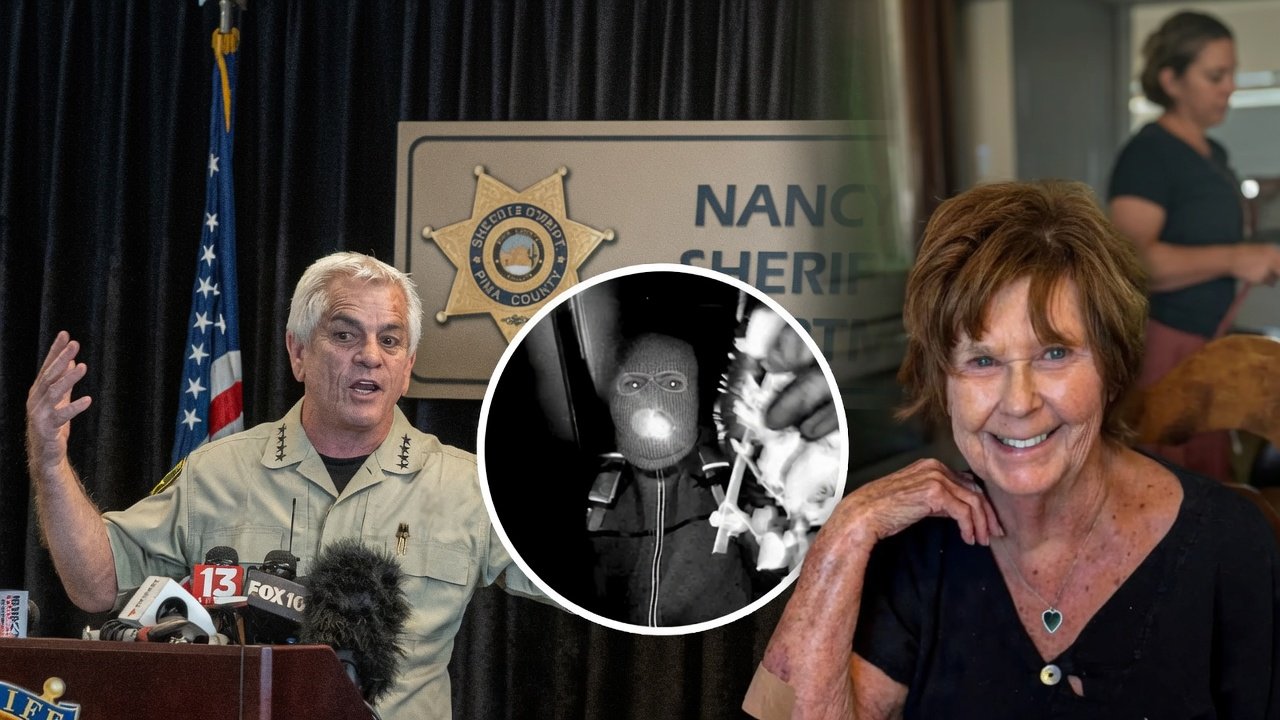
CBS News reported that the newly released material contradicts earlier statements from Pima County Sheriff Chris Nanos concerning whether investigators possessed a ransom message suggesting Nancy had died. The discrepancy has become another point of controversy surrounding the handling of the case.
The investigation has already faced criticism over how evidence and information were handled during the early stages of the search. Those concerns have intensified because Nancy has remained missing for approximately six months without an arrest or confirmed recovery.
For the Guthrie family, the uncertainty has been devastating.
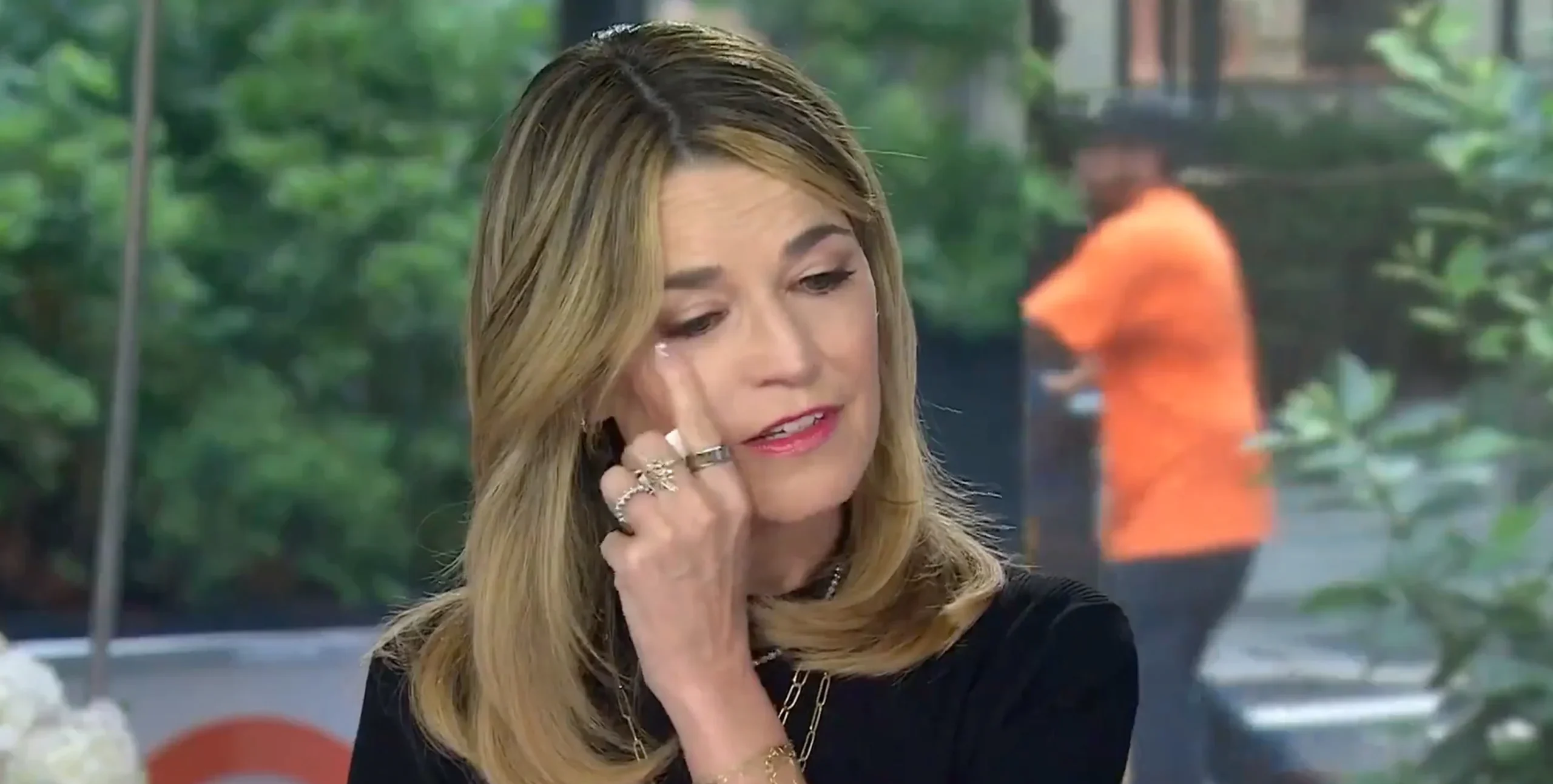
Savannah Guthrie and her family have repeatedly appealed to the public for information and have continued to express their hope that someone will eventually provide the missing piece needed to solve the case. After the letters were made public, Savannah again urged people to examine the messages carefully and consider whether they recognized anything about the person who wrote them.
The family has also maintained a substantial reward for information that could help authorities solve the disappearance and bring Nancy home.
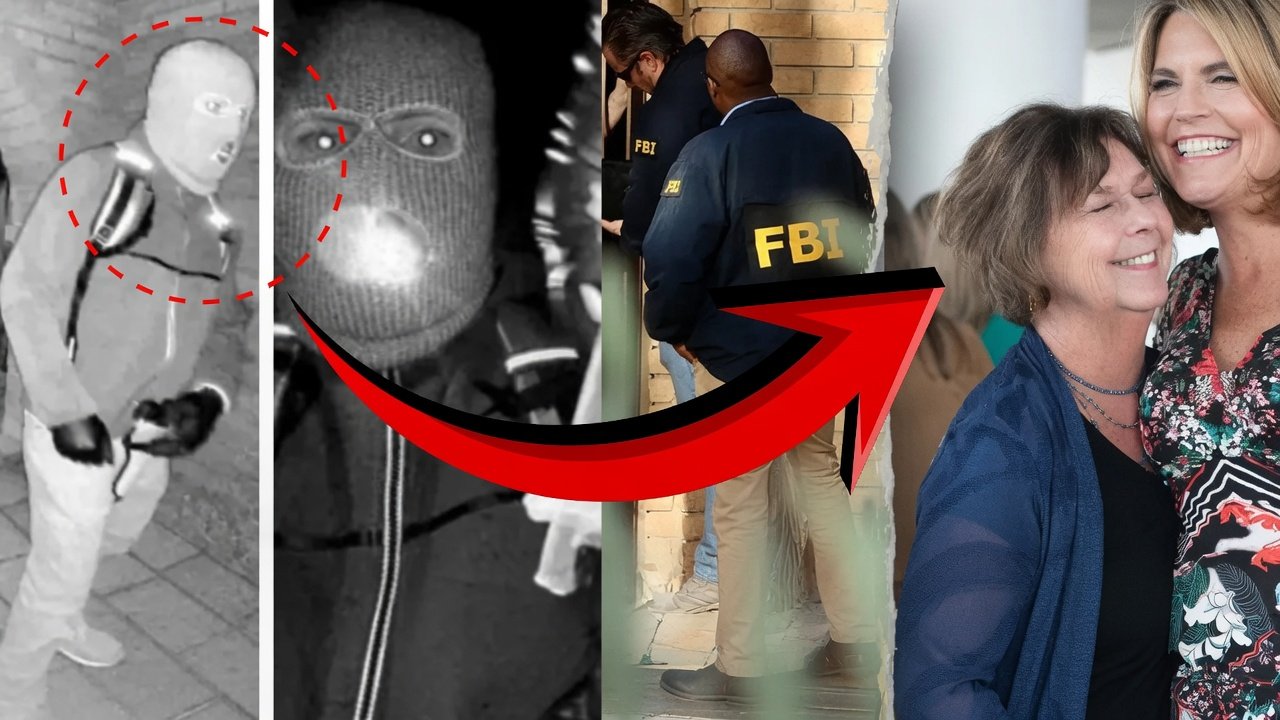
Nancy was last seen at her home in the Tucson area. Investigators subsequently found blood that was determined to belong to her, strengthening the conclusion that she had suffered an injury or violent event at the residence. Authorities have previously said they believe she was taken against her will. Despite extensive searches and months of investigative work, however, her whereabouts have never been established publicly.
That is one reason the second letter has had such a profound effect on the case. If the writer’s account were truthful, it could potentially explain why Nancy has never been found. But without physical evidence, the statement remains only an allegation from an unidentified person.
There is also the question of why the writer would send two apparently conflicting messages.
The first communication portrayed Nancy as alive and demanded a multimillion-dollar ransom. The second subsequently claimed that she had died. Investigators must determine whether the same person wrote both letters, whether the second letter was intended to correct or replace the first message, or whether someone else attempted to interfere with the investigation.
Authorities have indicated that the notes share similarities, but that does not automatically establish who wrote them or whether every statement within them is truthful.
Another important issue is the information contained in the first letter. Details that were not publicly known when the message was sent could potentially be significant if investigators can determine how the writer obtained them. Such information could have come from direct involvement, access to private information, observation of the home, communication with someone connected to the family, or another source.
Determining that source could be one of the most important investigative tasks moving forward.
The case has also generated a large amount of speculation online, particularly as members of the public attempt to analyze the letters, surveillance footage and other pieces of information. Investigators have repeatedly emphasized the importance of credible information rather than unsupported theories.
That warning is especially important in a case involving a missing elderly woman whose family has been under extraordinary public pressure. Online speculation can generate useful leads, but it can also result in innocent people being accused without evidence. Authorities therefore need to distinguish between information that can be independently verified and claims based solely on assumptions.
The release of the ransom letters does not mean investigators have solved the case. It also does not establish that Nancy died in the manner described by the writer.
What it does provide is a clearer look at one of the most unusual elements of the investigation and another opportunity for the public to help detectives identify the person behind the communications.
For investigators, even a seemingly insignificant recognition could matter. Someone might recognize a particular phrase, a spelling habit, a recurring grammatical mistake, a distinctive expression or the general style of the writing. In a case that has remained without a publicly identified suspect for months, such a detail could become the starting point for a much larger investigation.
The sheriff’s department has continued receiving information from the public, and the latest reports indicate that the release of the letters has already generated additional tips. Whether any of those leads ultimately proves significant remains unknown.
Meanwhile, the search for answers continues.
Nancy Guthrie’s disappearance remains one of the most closely followed missing-person investigations in Arizona, not only because of her connection to a nationally recognized television personality, but because of the extraordinary circumstances surrounding the case. The discovery of blood at her home, the alleged ransom communications, the conflicting claims about her fate and the absence of a confirmed suspect have created a mystery that remains unresolved six months later.
The second ransom letter may eventually prove to be an important piece of evidence—or it could prove to be an elaborate attempt to mislead investigators. At this stage, there is no public evidence allowing authorities or the family to know with certainty which explanation is correct.
For Savannah Guthrie and the rest of Nancy’s family, however, the central question remains painfully simple: where is Nancy, and what happened to her?
Until investigators can answer those questions with evidence, the case remains open.
The newly released letters may have provided the public with more information, but they have not yet provided the final answer. Instead, they have created a new opportunity for someone who recognizes the writer, the language or the circumstances described in the messages to come forward.
And after six months without knowing what happened to their mother, that opportunity may be exactly what the Guthrie family has been waiting for.
Sources: https://people.com