
The investigation into the death of 18-year-old Nolan Xavier Wells has entered another increasingly complicated phase, with three young men who were with him during the Fourth of July trip to Horn Island now raising money for their own legal defense as questions surrounding Wells’ death continue to generate intense public attention.
Warren Hudson, Jax Pitalo and Morgan Seymour have launched a legal defense fundraiser after becoming the focus of growing scrutiny following Wells’ disappearance and death. According to reporting by Rolling Stone, the fundraiser was established in anticipation of possible wrongful-death litigation and to help the young men pursue potential defamation claims against people they believe have made false or damaging allegations about them.
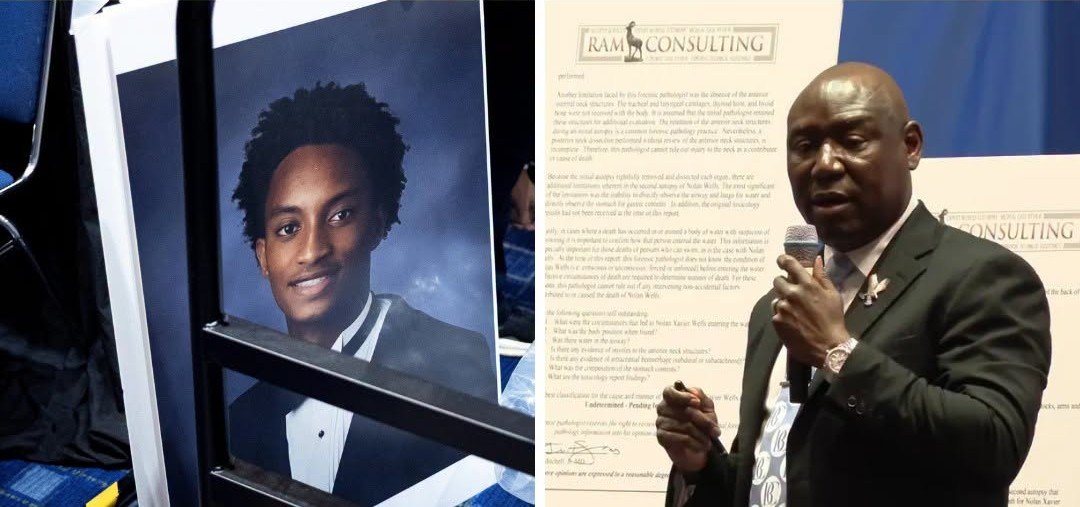
The fundraising effort reflects how dramatically the case has expanded beyond the original investigation. What began as the disappearance of an 18-year-old college football player during a holiday trip has developed into a national story involving competing narratives, an independent investigation by Wells’ family, legal threats, intense social-media speculation and increasing involvement from attorneys representing people on both sides of the dispute.
The three young men were among the people who traveled with Wells to Horn Island on July 4. Wells, who was from Ocean Springs, Mississippi, disappeared during the trip and was later found dead near the island on July 6. The Jackson County Sheriff’s Office initially said investigators suspected that Wells had drowned and stated that there was no evidence of foul play at that stage. The investigation, however, remained active, and authorities continued seeking photographs, videos and eyewitness accounts from people who were on or near the island that afternoon.

Since then, the circumstances surrounding Wells’ final hours have become the subject of intense debate. His family has repeatedly questioned whether the initial explanation fully accounts for what happened, and civil rights attorney Ben Crump has been representing Wells’ parents while conducting an independent investigation. Crump and other supporters of the family have called for greater transparency and a more thorough examination of the evidence.
The family’s concerns have also been reinforced by the fact that the independent autopsy commissioned on Wells’ behalf did not establish a definitive cause or manner of death. According to subsequent reporting, the independent examination concluded that the cause and manner of death remained undetermined pending further investigation. Meanwhile, authorities have continued their own examination, and the official autopsy findings have not been publicly released.

That uncertainty has created an environment in which theories about the case have spread rapidly online. Some social-media posts have accused Wells’ companions of knowing more than they have publicly disclosed, while others have challenged the family’s interpretation of events. Neither side’s most extreme claims have been established as fact. No one has been publicly charged with causing Wells’ death, and the friends involved have maintained that they are not responsible for what happened to him.
The new legal defense fund is therefore significant because it demonstrates that the friends are preparing not only for continued public scrutiny but also for possible legal consequences arising from the controversy. Rolling Stone reported that the fundraiser was created to prepare for potential wrongful-death lawsuits and possible defamation actions. The campaign also describes the young men as having faced harassment and threats as the case attracted national attention.
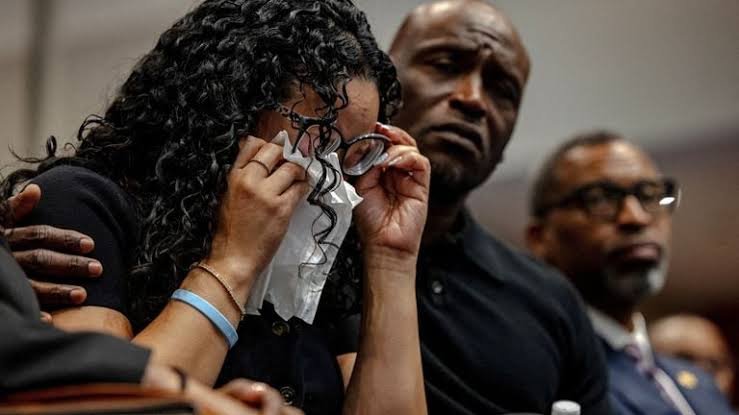
According to reports on the fundraising campaign, donations quickly climbed into the tens of thousands of dollars and later surpassed $100,000, prompting the organizers to increase the fundraising target. The money is intended to help cover legal expenses and protect the young men as the controversy continues.
The fundraiser also highlights the increasingly adversarial nature of the public debate. Wells’ family is seeking answers and has assembled its own legal and investigative team, while the young men who accompanied Wells are now building their own legal resources. Both sides are operating in an atmosphere where accusations have circulated widely online, sometimes without independent verification.
Attorneys for the three friends have strongly rejected the suggestion that their clients should be treated as suspects simply because they were present on the island. Their legal strategy includes examining the circumstances surrounding Wells’ disappearance and defending the young men against statements they believe are false or defamatory. The lawyers have also said the friends are prepared to return to Horn Island with counsel to examine the area themselves.

That planned return is another important development. The friends and their attorneys intend to inspect the island’s layout and the locations relevant to the events of July 4. They are not expected to conduct an independent evidence collection operation. Instead, the visit is intended to give the legal team a firsthand understanding of the geography, distances and physical environment surrounding the incident. Their attorneys have said this could help them evaluate accounts of what happened and prepare for any future legal proceedings.
Horn Island itself is an important part of the mystery. The barrier island is relatively isolated and does not have the infrastructure people might expect in a populated coastal community. Earlier reporting noted that the island has no permanent staff, drinking water, shelter or conventional communications facilities. Access is primarily by boat, meaning that people who become stranded or separated from their group can face significant difficulties obtaining help.
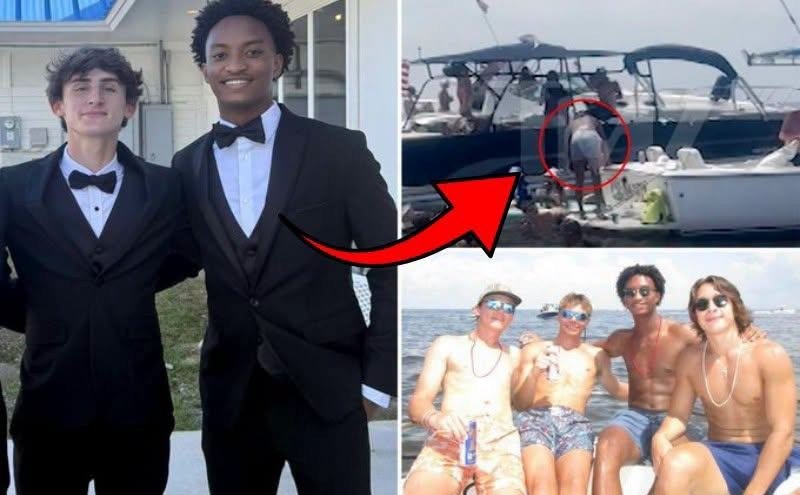
The physical environment is therefore central to reconstructing Wells’ final hours. Investigators need to determine where Wells was last seen, who was with him at various points, when the group departed, what communications occurred afterward and how Wells ultimately came to be found in the water.
A number of photographs and videos from July 4 have also circulated online, but the case has demonstrated the dangers of interpreting individual images without context. At least one photograph that was widely circulated as showing Wells at a July 4 pool party was later reported to have come from a different date. That episode has reinforced the need to authenticate images and establish when and where they were actually taken before drawing conclusions from them.
Investigators have also been seeking additional digital evidence. Wells’ family has expressed concerns about deleted messages and photographs on his cellphone and has sought information that could help establish his movements and communications. At one point, Crump’s team indicated that Wells’ cellphone would be shared with the official investigation as part of a cooperative examination.
The phone evidence could become particularly important because digital records may help establish a more precise timeline than witness memories alone. Location data, messages, photographs and timestamps could potentially clarify when Wells was last in contact with others and what happened during the period before he disappeared.
At the same time, the case has become increasingly intertwined with questions about race and public confidence in local authorities. Wells was Black, while the three friends who traveled with him have been identified as white. That fact has contributed to intense public discussion, particularly because Mississippi has a long history of racial violence and mistrust of law enforcement. Wells’ family and civil rights advocates have argued that the circumstances deserve especially careful scrutiny, while the friends’ supporters have objected to what they view as racialized assumptions about their involvement.
The controversy has unfortunately also resulted in threats against people connected to the investigation. Multiple individuals have been arrested or charged in connection with alleged threatening communications involving officials or people associated with the case. Those criminal cases are separate from the investigation into Wells’ death and do not establish that anyone involved in the death committed a crime.
This distinction is particularly important as the investigation continues. Public anger, online theories and legal disputes cannot substitute for forensic evidence. The fact that someone was present when Wells disappeared does not, by itself, establish criminal responsibility. Likewise, the fact that the official explanation remains incomplete does not automatically establish that a homicide occurred.
For the friends, the legal defense fund is a way of preparing for what could become a lengthy legal battle. For Wells’ family, the continued investigation is about determining exactly what happened to their son. Those two objectives can exist at the same time without resolving the central question of how Wells died.
The case is also now moving through multiple parallel tracks. There is the official law-enforcement investigation, the family’s independent investigation, the legal defense being assembled by Wells’ friends, potential civil litigation, possible defamation claims and the growing amount of information being circulated publicly. Each track could produce new information, but they should not be confused with one another.
The upcoming visit to Horn Island may provide the friends and their attorneys with a better understanding of the location, while the official investigation continues to examine medical evidence, witness accounts and digital information. Meanwhile, Wells’ family continues to press for answers and has maintained that too many questions surrounding his death remain unresolved.
At this stage, the most important fact is also the simplest: Nolan Wells went to Horn Island on July 4 and did not return home. His body was found two days later. His cause and manner of death have not produced a publicly released definitive explanation, and no person has been publicly charged with killing him.
Everything beyond those established facts remains subject to investigation.
The creation of the legal defense fund does not prove that Wells’ friends committed a crime, just as the family’s continuing questions do not prove that Wells was murdered. What the development does demonstrate is how serious and complicated the case has become. The people who were closest to Wells during the trip are now preparing for their own legal battle, while his family continues its effort to uncover what happened to him.
As the investigation moves forward, the evidence will ultimately have to answer the questions that speculation cannot: where Wells was during his final hours, what happened after he was last seen, how he entered the water, and what caused his death.
Until those questions are resolved through verified evidence, Nolan Wells’ death remains an open and deeply troubling case—one in which both his family and the people who were with him continue to seek answers in very different ways.
Sources: https://www.rollingstone.com